

Natural Remedies for BV: What Helps, What’s Risky, and What’s a Myth
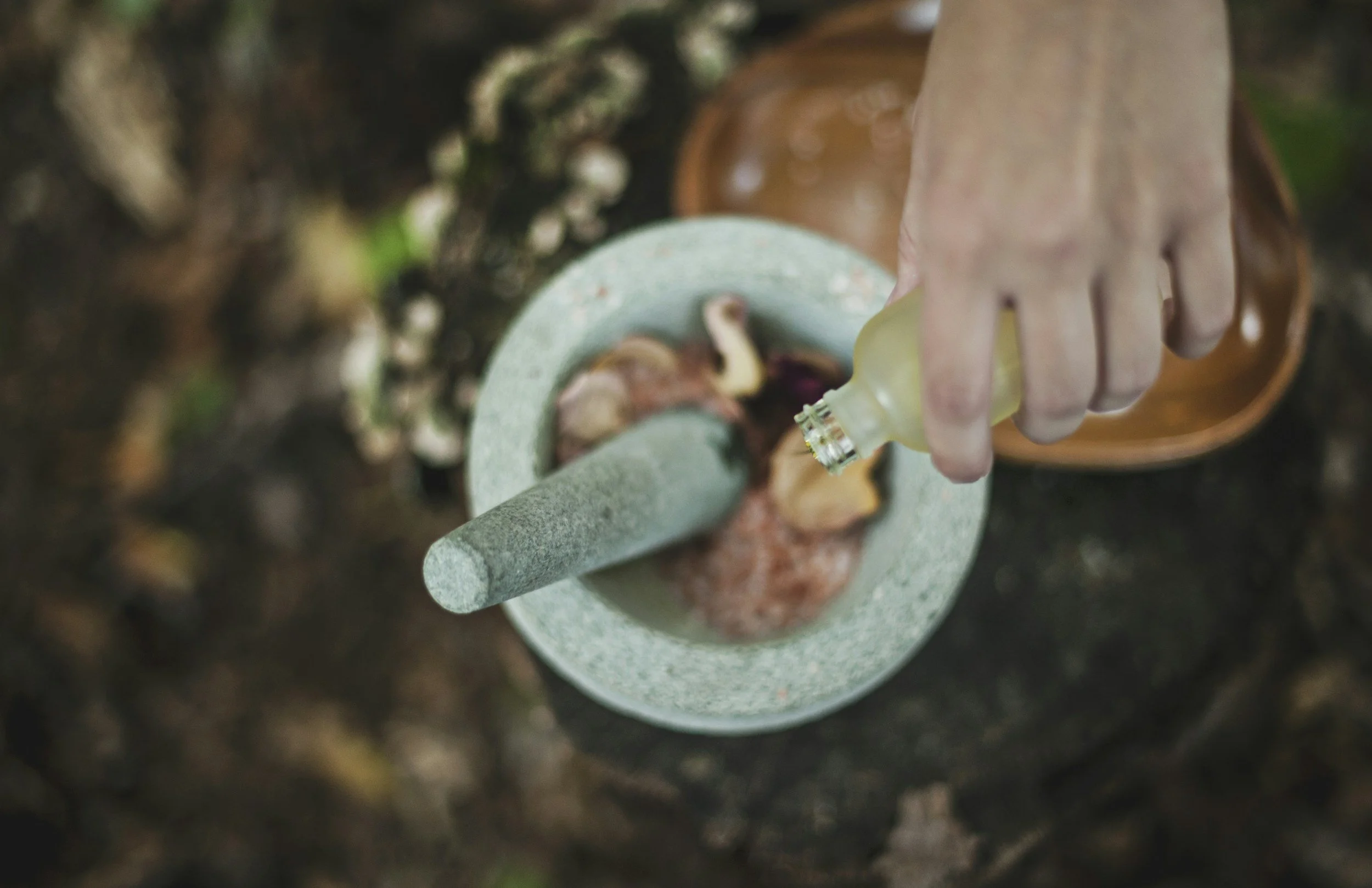
Natural Remedies for BV: What Actually Works and What Can Make It Worse
If you’re reading this, there’s a good chance you’re tired of BV coming back again and again. Maybe you’ve done multiple rounds of antibiotics, bought every “miracle” product TikTok has to offer, and still find yourself Googling “natural cure for BV” at midnight.
You’re not alone. Bacterial vaginosis is one of the most common vaginal conditions, and it often returns even after treatment. It makes total sense to want gentler, natural options but online advice can be confusing and sometimes risky. This guide breaks down what natural or non‑prescription approaches actually show promise, what can quietly make BV worse, and what’s mostly myth, so you can make more informed choices with your clinician.
Internal links:
Lemon Water article
Quick refresher: What’s really happening with BV?
BV isn’t about being “dirty” or not washing enough. It’s about bacteria balance.
A healthy vagina is usually dominated by Lactobacillus bacteria. They produce lactic acid, which keeps vaginal pH in an acidic range (around 3.8–4.5). That acidic environment makes it harder for other bacteria to overgrow.
With BV:
Lactobacillus levels drop.
Other bacteria, like Gardnerella vaginalis and anaerobes, take over.
pH rises above 4.5.
These bacteria produce compounds that cause fishy odor, especially after sex, along with thin gray or white discharge.
BV isn’t currently classified as an STI, but sex, partners, hormones, and products can all influence whether it shows up and whether it returns.
Because BV is about the ecosystem, natural approaches focus on either:
Supporting Lactobacillus and a healthy pH, or
Avoiding things that harm that balance.
Natural or non‑prescription options that may actually help
These aren’t magic cures, but they have at least some research or clinical experience behind them when used alongside medical care.
Probiotics
Why people use them
Probiotics aim to restore Lactobacillus dominance in the vagina or gut.
What research shows
Studies suggest probiotics used with or after antibiotics can lower recurrence rates of BV and help re‑acidify the vagina.
Vaginal probiotic suppositories often show stronger local effects than oral alone.
What to look for
Strains like Lactobacillus crispatus, L. rhamnosus, and L. reuteri have been studied in BV and vaginal health.
Products should clearly list strains and CFUs (often billions per dose).
How they’re typically used
Oral probiotics daily for several weeks or months after treatment.
Vaginal probiotic capsules on a schedule recommended by a clinician.
Probiotics are best thought of as support for your microbiome, not a guaranteed stand‑alone cure for an active BV infection.
Boric acid (vaginal capsules)
What it is
Boric acid is a weak acid used in vaginal capsule form, not swallowed. It has mild antiseptic and antifungal properties.
What the evidence suggests
In recurrent BV and yeast, boric acid can help break down biofilms and lower pH when used after or between other treatments.
Some protocols use 600 mg vaginally at night for a short, defined period.
Safety notes
Never take by mouth it’s toxic if ingested.
Avoid in pregnancy unless a specialist explicitly advises it.
Should be used under medical guidance, not as DIY experimentation.
Boric acid can be a useful tool in stubborn or recurrent cases, but it’s not for everyone and should always involve a conversation with a clinician.
Vitamin C vaginal tablets
Idea
Vitamin C (ascorbic acid) can be formulated into vaginal tablets to gently lower pH.
What we know
Small studies suggest vitamin C vaginal tablets may help maintain a healthier pH and bacterial balance when used alongside other treatments.
Effects are modest, but they may be an option for mild support.
Important distinction
This is very different from putting lemon juice or citrus directly in your vagina, which is too harsh and can burn tissue.
Lifestyle and hygiene habits
These changes won’t cure BV alone, but they can reduce triggers and give your microbiome a better baseline.
Helpful habits include:
Stop douching completely. Douching increases BV risk and disrupts good bacteria.
Use only water or gentle, unscented wash externally, never inside the vagina.
Choose cotton underwear and avoid staying in sweaty, tight clothing for long periods.
Pee after sex and consider condoms if you notice flares after unprotected sex.
Support your overall microbiome with a varied diet, less added sugar, and possibly fermented foods like yogurt or kefir.
“Natural remedies” that can actually make BV worse
Some popular internet remedies are labeled “natural,” but they can irritate tissue, feed yeast, or wipe out good bacteria. Here’s a breakdown.
Yogurt inserted into the vagina
Why people try it
Because yogurt contains live cultures, it’s often suggested to “reseed” the vagina.
Risks
Store‑bought yogurt usually contains different strains than those that naturally live in the vagina.
Added sugars and flavors can encourage yeast overgrowth.
It introduces non‑sterile food into a delicate mucosal environment.
Eating yogurt as part of your diet is fine if you tolerate dairy, but putting it inside the vagina is not recommended.
Garlic cloves
Why people try it
Garlic has antimicrobial properties, so some claim that inserting a clove will “kill bad bacteria.”
Risks
Garlic can burn and irritate vaginal tissue.
Pieces can break off and be hard to remove.
There’s no solid scientific evidence that vaginal garlic treats BV.
This is a good example of a remedy where “natural” does not equal gentle or safe.
Hydrogen peroxide and vinegar douches
Why people try it
These are promoted as ways to “clean” or “disinfect” the vagina and reset pH.
Risks
Douching with any solution wipes out good and bad bacteria and is strongly linked to higher BV rates.
Hydrogen peroxide and vinegar can burn or irritate tissue and disrupt the protective mucus layer.
They may temporarily change odor, but often lead to more frequent flare‑ups.
The vagina is self‑cleaning. Internal douching hydrogen peroxide, vinegar, “herbal” mixes causes more harm than good for BV.
Essential oils (like tea tree)
Why people try it
Tea tree and other essential oils are known to have antimicrobial effects on skin.
Risks
Essential oils are highly concentrated and can burn, trigger allergic reactions, or cause severe irritation on mucous membranes.
There isn’t strong, standardized research on using them inside the vagina for BV.
If you use essential oils, keep them for diffusers or very diluted external uses and away from the vaginal canal.
Lemon juice, apple cider vinegar, and “detox drinks”
Why people try it
Online posts often claim that drinking lemon water or apple cider vinegar will “detox” the vagina or “balance” its pH.
Reality
What you drink is processed through your digestive system; it doesn’t directly pour into your vagina as acid.
Putting lemon juice or vinegar directly inside the vagina can cause burns and disrupt normal flora.
Lemon water as a drink can be part of a general wellness routine if your teeth and stomach tolerate it but it is not a targeted BV cure.
Myths about BV and natural cures
Myth 1: “If I just keep myself extra clean, BV will go away.”
BV isn’t about not being clean enough. In fact, over‑cleaning with multiple products and douches is more likely to cause problems. The vagina needs a stable microbiome, not a scrub‑down.
Myth 2: “If I avoid antibiotics and only use natural remedies, I can cure BV.”
Sometimes mild imbalances improve on their own, but established BV often needs proper diagnosis and evidence‑based treatment, especially because it’s linked to increased risks in pregnancy and higher susceptibility to some STIs. Natural support works best with, not instead of, appropriate medical care.
Myth 3: “BV is always caused by cheating or having too many partners.”
Having new or multiple partners is associated with BV, but BV can also show up in people with one long‑term partner or no recent sex at all. It’s about bacteria and pH, not morality.
Myth 4: “I must be doing something wrong if BV comes back.”
Recurrent BV is extremely common. Biofilms, partner factors, hormones, and individual microbiome differences all play roles. You’re not dirty, and you’re not alone.
How to build a safer, evidence‑informed “natural support” plan
If you want to use natural or gentle strategies in a safer way, here’s a framework you can use with your clinician:
Get accurate testing first
Confirm BV and rule out STIs and yeast. Ask specifically about tests for trichomoniasis, chlamydia, and gonorrhea if you’re sexually active.
Treat the current episode appropriately
Use the prescribed treatment (oral or vaginal metronidazole or another recommended regimen) as directed, even if symptoms improve early.
Discuss prevention and support
Ask about probiotic options (oral or vaginal), boric acid, or vitamin C vaginal tablets that might help support your microbiome after treatment.
Adjust daily habits
Drop douching, scented washes, and tight synthetic underwear.
Talk with your partner about condoms and hygiene if you notice a clear link between BV and sex.
Be skeptical of miracle claims
If a remedy sounds too good to be true, or if it involves inserting food or harsh chemicals into your vagina, it probably belongs in the “risky or myth” category.
Frequently asked questions about natural remedies for BV
Q: Can BV ever go away without antibiotics if I just use natural methods?
Sometimes mild symptoms improve over time, but BV is often persistent and can increase risks for other health issues. For most people, the safest path is diagnosis + treatment, then natural support to reduce recurrence not skipping treatment altogether.
Q: Are probiotics enough to treat BV on their own?
Probiotics can help support and maintain a healthier vaginal environment, especially after antibiotics, but they aren’t proven as a reliable stand‑alone cure for an active BV infection. Think of them as helpers, not the entire plan.
Q: Is boric acid “natural,” and is it safe?
Boric acid is a naturally occurring compound, but that doesn’t automatically make it gentle. Used correctly, vaginally, and with medical guidance, it can help some people with recurrent BV and yeast. Taken by mouth or used without guidance, it can be dangerous.
Q: What’s the safest “home” step I can start with today?
Often the safest starting points are external: stop douching, switch to unscented products, wear breathable underwear, and track your symptoms. These changes can reduce irritation while you wait to see a clinician or decide on next steps.
Q: Why do I keep getting BV after sex with the same partner?
Semen pH, your partner’s skin microbiome, condoms vs. no condoms, and your own hormonal/immune factors can all play roles. It doesn’t automatically mean they’re “dirty” or cheating just that your shared environment is challenging for your vaginal balance.
Q: If I want to conceive, can I still use these natural supports?
If you’re trying to get pregnant, it’s especially important to talk through each product with your clinician some, like boric acid, may not be recommended in pregnancy. Focus on diagnosis, appropriate treatment, and gentle lifestyle support that’s safe in preconception/pregnancy.
Takeaway
BV is about microbiome balance and pH, not hygiene or character.
Some “natural” approaches like probiotics, clinician-guided boric acid, and vitamin C vaginal tablets have some evidence when used carefully.
Others like douching, garlic, yogurt inserts, lemon juice, and essential oils inside the vagina are more likely to irritate or worsen BV than help.
The most effective plan usually combines accurate diagnosis, appropriate treatment, and supportive habits, not one magic remedy.
If BV keeps coming back and you’re tempted to try everything the internet suggests, consider taking this guide to your next appointment. You deserve options that respect both your desire for gentler care and your need for real relief.
About the Author
Becky Freeman is the founder of BVTalks® and Bee Vee Clean. She focuses on women’s intimate health, vaginal microbiome education, and creating practical, easy-to-understand content for everyday care.
Medical Disclaimer
This content is for educational purposes only and is not intended to diagnose, treat, cure, or prevent any condition. It should not be used as a substitute for professional medical advice, diagnosis, or treatment. Always consult a licensed healthcare provider if you have questions about your health or symptoms.
