

Probiotics for BV: Can They Actually Restore Vaginal pH?
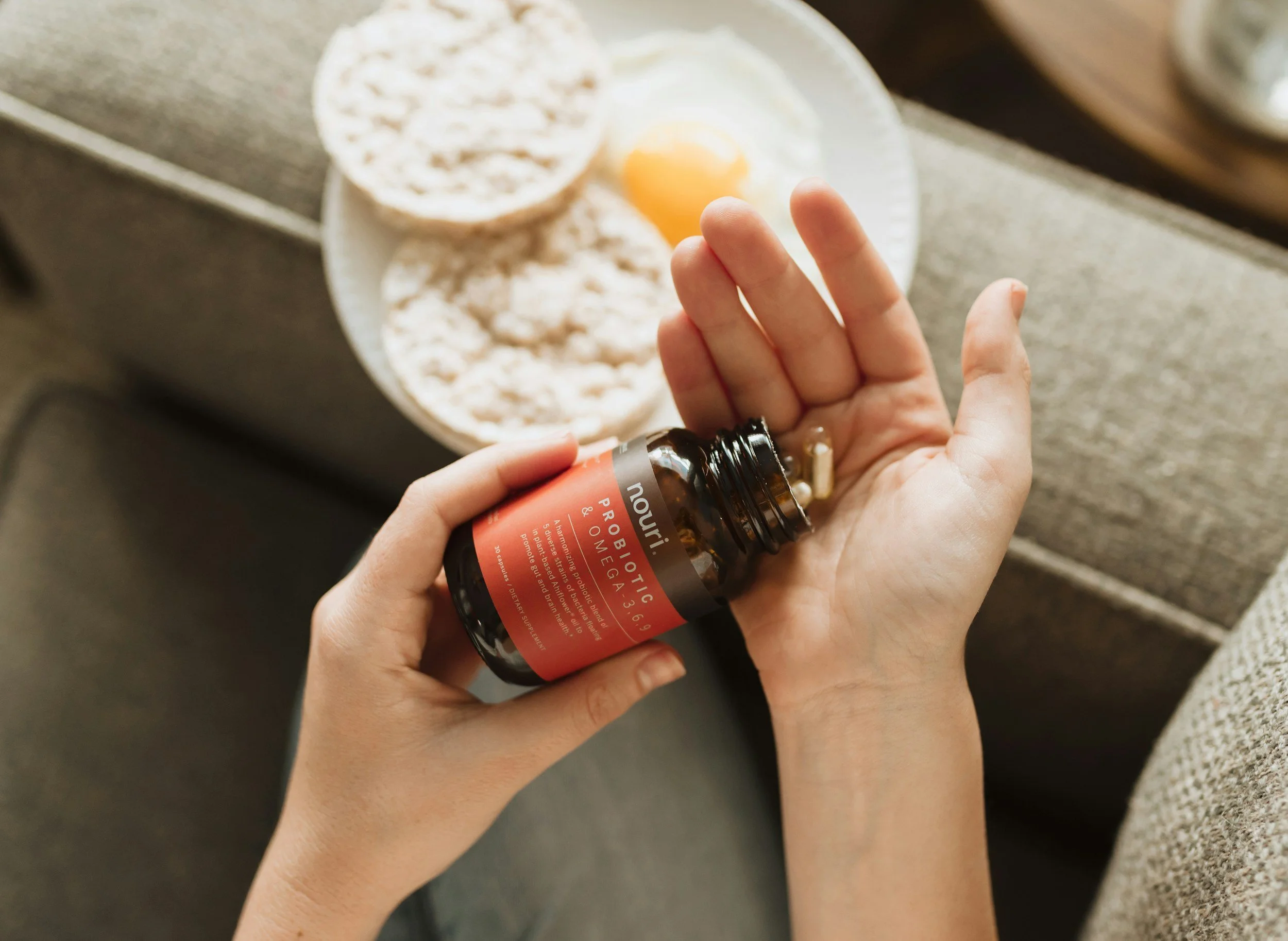
If you’ve dealt with bacterial vaginosis (BV) even once, you’ve probably heard about probiotics. Yogurt, supplements, vaginal capsules someone somewhere swore that probiotics would “repopulate” your vagina with good bacteria and fix the fishy odor forever.
But do they actually restore vaginal pH and solve BV, or is it more complicated? This guide walks through what probiotics are, how vaginal pH works, what the research says about probiotics for BV, and how to think about them realistically alongside other care. It’s not personalized medical advice, but it can help you separate evidence from hype before you spend on another supplement.
The basics: Vaginal pH and BV
A healthy vagina has a slightly acidic pH (usually 3.8–4.5) thanks to:
Lactobacillus bacteria that produce lactic acid.
That acidity helps keep harmful bacteria and yeast in check.
BV happens when:
Lactobacillus levels drop.
Other bacteria (like Gardnerella vaginalis and anaerobes) take over.
pH rises above 4.5.
Those bacteria produce compounds that cause fishy odor, thin gray/white discharge, and sometimes irritation.
Probiotics are live bacteria (often Lactobacillus strains) you take to try to restore that healthy balance. The idea makes sense but does it work in practice?
What are probiotics for vaginal health?
Probiotics come in different forms:
Oral probiotics: Supplements or foods (yogurt, kefir, kombucha) you swallow.
Vaginal probiotics: Capsules or suppositories placed directly in the vagina.
For BV, the goal is to:
Introduce Lactobacillus strains that can colonize the vagina.
Lower pH back toward the acidic range.
Reduce overgrowth of BV‑associated bacteria.
Not all probiotics are the same. Some contain strains studied for vaginal health, while others are more for gut health.
What the research says about probiotics and BV
Probiotics for BV have been studied for over a decade, with mixed but promising results. Here’s what we know:
Oral probiotics
Some studies show oral probiotics taken after antibiotics can reduce BV recurrence rates.
They may work through the gut-vagina axis, supporting overall immune and microbial health.
Results vary some women see benefit, others don’t.
Vaginal probiotics
Vaginal suppositories often show stronger local effects than oral alone.
Some products deliver billions of CFU directly to the vaginal environment.
A few studies report improved pH, reduced BV symptoms, and fewer recurrences.
Key strains
Strains most studied for vaginal health include:
Lactobacillus crispatus
Lactobacillus rhamnosus
Lactobacillus reuteri
Lactobacillus gasseri
Limitations:
Studies are often small.
Results vary by strain, dose, timing, and individual microbiome.
Probiotics are most helpful as support, not a guaranteed cure for active BV.
Do probiotics actually restore vaginal pH?
Yes, some do but not magically or instantly.
How they help
Lactobacillus produce lactic acid, which lowers pH.
They may compete with BV bacteria for space and resources.
Some strains produce hydrogen peroxide and other antimicrobial compounds.
What to expect
Time: pH improvement, when it happens, usually takes days to weeks, not hours.
Consistency: Regular use (weeks or months) often shows better results than one‑time doses.
Individual variation: Some women see clear pH improvement; others see milder or no change.
What they don’t do:
Instantly “cure” active BV like antibiotics can.
Work the same for everyone.
Oral probiotics vs vaginal probiotics: Which is better?
Oral probiotics
Pros:
Convenient, easy to take daily.
May support gut health alongside vaginal health.
Some evidence for reducing BV recurrence when used after antibiotics.
Cons:
Less direct effect on vaginal pH.
Need to survive stomach acid to reach the gut.
Variable strains and quality across brands.
Best for: Long‑term support, especially if you can’t use vaginal products.
Vaginal probiotics
Pros:
Direct delivery to the vaginal environment.
Higher local concentrations of beneficial bacteria.
Some studies show stronger pH and symptom improvement.
Cons:
Less convenient (insertion needed).
May not colonize permanently.
Costlier than oral supplements.
Best for: Active BV support or frequent recurrence.
How to choose probiotics for BV (what to look for)
Not every probiotic is right for vaginal health. Here’s what to prioritize:
Strains
Look for products with Lactobacillus strains studied for vaginal health:
L. crispatus
L. rhamnosus
L. reuteri
L. gasseri
Avoid generic “women’s probiotics” that don’t list specific strains.
Dose
CFU count: Billions per dose (5–50 billion is common).
Frequency: Daily or as directed.
Quality
Third‑party tested for potency and purity.
Refrigerated if required (some strains are fragile).
Clear expiration date.
Timing
After antibiotics: Best evidence for preventing recurrence.
During active BV: May support, but not replace, primary treatment.
Long‑term: Some women use daily or weekly for maintenance.
Other factors that affect vaginal pH (besides probiotics)
Probiotics are helpful but not the whole picture. These factors also influence pH:
Semen
Semen pH is 7.2–8.0 (alkaline). After unprotected sex, vaginal pH can temporarily rise, which may trigger BV in susceptible women.
Menstrual blood
Blood is more alkaline than vaginal secretions, so pH often rises during and right after your period.
Hygiene products
Douching, scented washes, and spermicides can all raise pH and disrupt Lactobacillus.
Hormones
Birth control changes, pregnancy, postpartum, and perimenopause all can shift pH by affecting vaginal tissue and mucus.
Probiotics are support, not a cure
Probiotics can be part of a smart BV strategy, but they work best when paired with:
Accurate diagnosis – confirming BV and ruling out STIs or yeast.
Appropriate treatment – antibiotics or other clinician‑recommended options for active infections.
Lifestyle habits – no douching, breathable underwear, condoms if semen is a trigger.
Partner discussion – if recurrence seems clearly linked to unprotected sex.
Realistic expectations:
Probiotics may reduce recurrence frequency or severity.
They don’t work instantly like antibiotics.
Results vary by person and product.
Frequently asked questions about probiotics and BV
Q: Can probiotics cure BV without antibiotics?
Probiotics are supportive, not curative for active BV. Some mild cases may improve over time, but confirmed BV usually needs evidence‑based treatment first, with probiotics as prevention or maintenance.
Q: Oral or vaginal which works better?
Vaginal probiotics often show stronger local pH and symptom improvement in studies, but oral probiotics are convenient and support overall health. Many clinicians recommend both for recurrent BV.
Q: How long do I need to take probiotics for BV?
Studies often use probiotics for weeks to months after treatment, sometimes with a daily or weekly maintenance dose. Ask your clinician for a plan that fits your recurrence pattern.
Q: Can I use probiotics during pregnancy?
Only with clinician approval. Some strains are considered safe, but pregnancy changes vaginal pH and infection risks, so never start probiotics in pregnancy without guidance.
Q: Why don’t probiotics work for me?
Possible reasons:
Wrong strains for vaginal health.
Not used long enough or at the right dose.
Other factors (semen, douching, hormones) overriding benefits.
Underlying conditions like resistant BV or STIs.
If probiotics aren’t helping, ask your clinician about different strains, vaginal delivery, or additional testing.
Q: Can I get probiotics from yogurt?
Store‑bought yogurt can support gut health if you tolerate dairy, but it contains different strains than vaginal Lactobacillus and isn’t sterile for internal use. Eat it, don’t insert it. For vaginal pH, look for specifically formulated products.
Q: Are there side effects from vaginal probiotics?
Usually mild: temporary discharge, mild irritation, or spotting. If you have severe burning, odor worsens, or symptoms don’t improve, stop and contact your clinician.
Key takeaways
Probiotics can support vaginal pH by introducing Lactobacillus and lactic acid production, but they’re most effective as part of a broader plan.
Vaginal probiotics often show stronger local effects than oral, but both have roles.
Choose products with specific strains (L. crispatus, L. rhamnosus, etc.) and realistic expectations.
Pair probiotics with diagnosis, treatment, and habits that protect your microbiome—no douching, breathable underwear, condoms if needed.
If you’re tired of BV and ready to try probiotics, bring this guide to your next appointment. Your clinician can help you choose strains and timing that fit your specific situation, so you’re not just throwing money at random supplements.
Internal Links :
About the Author
Becky Freeman is the founder of BVTalks® and Bee Vee Clean. She focuses on women’s intimate health, vaginal microbiome education, and creating practical, easy-to-understand content for everyday care.
Medical Disclaimer
This content is for educational purposes only and is not intended to diagnose, treat, cure, or prevent any condition. It should not be used as a substitute for professional medical advice, diagnosis, or treatment. Always consult a licensed healthcare provider if you have questions about your health or symptoms.
