

Boric Acid for BV: Does It Actually Work for Recurrent Infections?
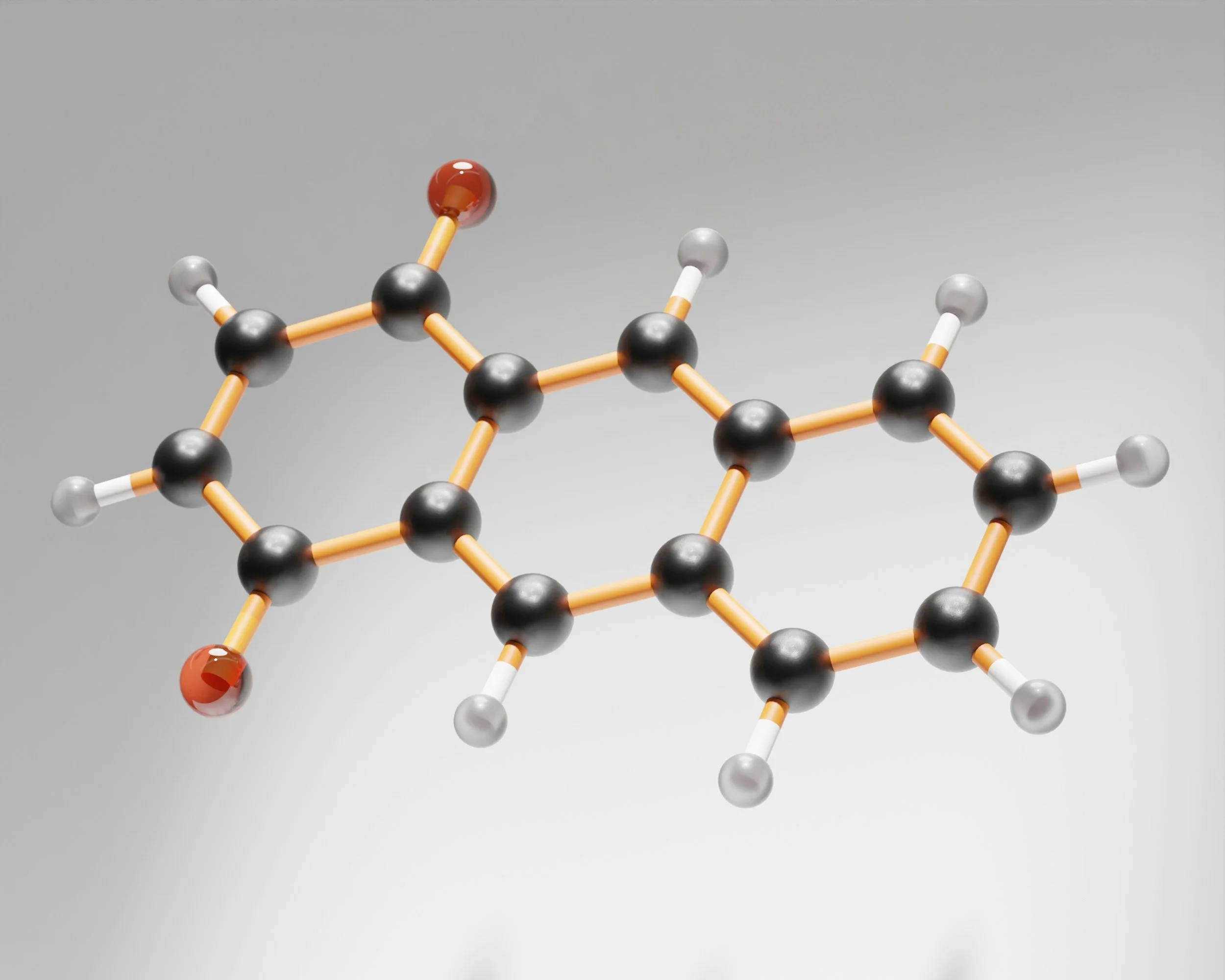
Boric acid (H₃BO₃) is a naturally occurring compound found in some plants, seawater, and soils. In medicine, it’s been used for over a century as:
An antiseptic and antifungal.
A mild acid (pH around 5.1) that can help create an environment less friendly to certain infections.
For vaginal health, boric acid is formulated into small capsules that are placed inside the vagina, not taken by mouth.
Why it’s popular for BV:
Recurrent BV often involves bacterial biofilms, protective layers that make bacteria resistant to antibiotics.
Boric acid may help disrupt these biofilms and lower pH.
It’s often used when standard treatments (metronidazole, clindamycin) haven’t fully solved the problem.
Unlike some home remedies, boric acid has specific protocols used by clinicians for stubborn infections.
How does boric acid work for BV?
BV happens when protective Lactobacillus bacteria drop, and other species like Gardnerella vaginalis overgrow, raising vaginal pH above 4.5.
Boric acid may help in several ways:
Lowers pH
Boric acid is mildly acidic, creating an environment more favorable to Lactobacillus and less friendly to BV bacteria that prefer higher pH.
Disrupts biofilms
BV bacteria often form protective biofilms that make them resistant to antibiotics. Some research suggests boric acid can penetrate and disrupt these structures.
Antiseptic effect
Boric acid has broad antimicrobial activity against bacteria, yeast, and some fungi without being as harsh as stronger disinfectants.
Typical protocol (always under clinician guidance):
600 mg capsules inserted vaginally.
Used nightly for 7–14 days, sometimes followed by maintenance (e.g., twice weekly).
Often used after or alongside antibiotics for recurrent cases.
What does the research say?
Boric acid has been studied primarily for recurrent yeast infections, where it shows strong results. Research for BV is more limited but promising.
Evidence for BV
Small studies and case series suggest boric acid can help with recurrent BV when used after antibiotics.
Some protocols combine oral metronidazole + vaginal boric acid for better long‑term results.
It may reduce biofilm formation and help restore a healthier pH environment.
Limitations
Studies are often small and focused on recurrent cases, not first‑time BV.
Long‑term safety data is limited.
Results vary by individual microbiome, partner factors, and adherence to protocols.
Bottom line: Boric acid shows promise for stubborn or recurrent BV, especially when used as part of a clinician‑guided plan, but it’s not a first‑line or guaranteed cure.
How boric acid is typically used for BV
Boric acid is not a casual home remedy. When used for vaginal health, it follows specific protocols.
Standard regimen (clinician‑guided)
Confirm BV with testing (swabs to rule out yeast, STIs).
Treat active infection with antibiotics (metronidazole or clindamycin).
Boric acid phase:
600 mg capsules nightly for 7–14 days.
Lie down for 30 minutes after insertion if possible.
Maintenance (if recurrent): 1–2 times per week, or as directed.
What to expect
Some notice reduced odor and discharge within days.
pH may gradually improve as biofilms break down.
Full microbiome restoration can take weeks.
Safety and risks of boric acid for BV
Boric acid is generally well‑tolerated when used correctly for vaginal infections, but it’s not risk‑free.
Important safety rules
NEVER take boric acid by mouth:
Toxic if swallowed. Keep away from children and pets.
Only use vaginal capsules specifically formulated for this purpose.
Pregnancy concerns:
Avoid during pregnancy unless a specialist specifically advises otherwise.
Other cautions:
Don’t use if you have open sores, bleeding, or severe irritation.
Stop if you develop burning, redness, or worsening symptoms and contact your clinician.
Common side effects
Mild vaginal irritation or discharge.
Temporary burning (usually settles after first few nights).
Watery discharge as biofilms break down.
Most side effects are mild, but stopping and calling your clinician if symptoms worsen is important.
Boric acid vs other BV treatments
Compared to antibiotics
Antibiotics (metronidazole, clindamycin):
First‑line for active BV.
Effective short‑term (70–80% cure rate).
High recurrence (50–70% within a year).
Boric acid:
Supportive for recurrent cases.
May help biofilms and maintenance.
Not first‑line alone.
Best use: Antibiotics first, boric acid as follow‑up or maintenance.
Compared to probiotics
Probiotics:
Support Lactobacillus restoration.
Oral or vaginal.
Best evidence for prevention after antibiotics.
Boric acid:
Targets biofilms and pH directly.
Antimicrobial effect.
Best for recurrent infections.
Best use: Consider both probiotics for microbiome support, boric acid for stubborn biofilms.
How to talk to your clinician about boric acid
Boric acid has gained popularity in recent years, but not every provider is familiar with vaginal protocols. Here’s how to bring it up:
“I’ve read about boric acid for recurrent BV. What does the evidence say, and would it be appropriate for me? What dose and duration would you recommend?”
“I’ve tried antibiotics several times, but BV keeps returning. Could boric acid help as part of a maintenance plan?”
“Have you used boric acid with patients before? What have your experiences been?”
If your clinician isn’t familiar with it, you can ask for a referral to a vulvar specialist or pelvic health expert who treats recurrent infections.
Practical tips if you’re using boric acid for BV
If your clinician approves boric acid for you:
Product selection
Use pharmacy‑compounded or reputable brands specifically for vaginal use.
Avoid random “boric acid powder” from hardware stores.
Usage
Insert at bedtime and lie down for 30 minutes if possible.
Use a pad discharge is common.
Wash hands before and after.
Tracking
Keep a symptom journal: odor, discharge, sex, cycle, other treatments.
Note pH changes if you’re using test strips.
Partner communication
If BV seems sex‑related, consider condoms during the treatment phase.
Discuss hygiene (washing hands/toys before sex).
Frequently asked questions about boric acid for BV
Q: Can I use boric acid without seeing a doctor first?
No. Boric acid should be used under clinician guidance because:
Dosage and duration matter.
It’s not appropriate for everyone (pregnancy, open sores, etc.).
You need to confirm BV and rule out other conditions.
Q: How long until I notice improvement?
Some notice reduced odor within days; full pH improvement and microbiome restoration can take 1–2 weeks. If symptoms worsen or don’t improve after a week, contact your clinician.
Q: Can I use boric acid while trying to conceive or pregnant?
Avoid unless specifically advised by a specialist. Pregnancy changes vaginal pH and infection risks, and boric acid is generally not recommended during pregnancy.
Q: Will boric acid prevent BV from coming back forever?
No treatment prevents BV 100%, but boric acid may reduce recurrence frequency when used as maintenance for susceptible women. Combine with probiotics, lifestyle habits, and partner strategies for best results.
Q: Can I take boric acid by mouth for BV?
Absolutely not. Boric acid is toxic if swallowed. Only use vaginal capsules formulated for that specific purpose. Keep away from children and pets.
Q: What if I have side effects from boric acid?
Mild discharge or irritation is common. Stop use and contact your clinician if you develop:
Severe burning or pain.
Worsening odor or discharge.
Bleeding or sores.
Key takeaways
Boric acid shows promise for recurrent BV, especially when standard antibiotics haven’t solved the problem completely.
It works by lowering pH, disrupting biofilms, and providing antiseptic effects but only when used correctly.
Always use under clinician guidance never as DIY experimentation.
Combine with diagnosis, antibiotics when needed, probiotics, and lifestyle habits for the best shot at reducing recurrence.
If recurrent BV has you feeling hopeless, boric acid might be worth discussing with a clinician who specializes in vaginal health. You deserve options beyond the same antibiotics that keep failing and beyond the home remedies that make things worse.
Internal Links:
About the Author
Becky Freeman is the founder of BVTalks® and Bee Vee Clean. She focuses on women’s intimate health, vaginal microbiome education, and creating practical, easy-to-understand content for everyday care.
Medical Disclaimer
This content is for educational purposes only and is not intended to diagnose, treat, cure, or prevent any condition. It should not be used as a substitute for professional medical advice, diagnosis, or treatment. Always consult a licensed healthcare provider if you have questions about your health or symptoms.
