

Lemon Water for BV: Can It Fix Vaginal Odor or Make It Worse?
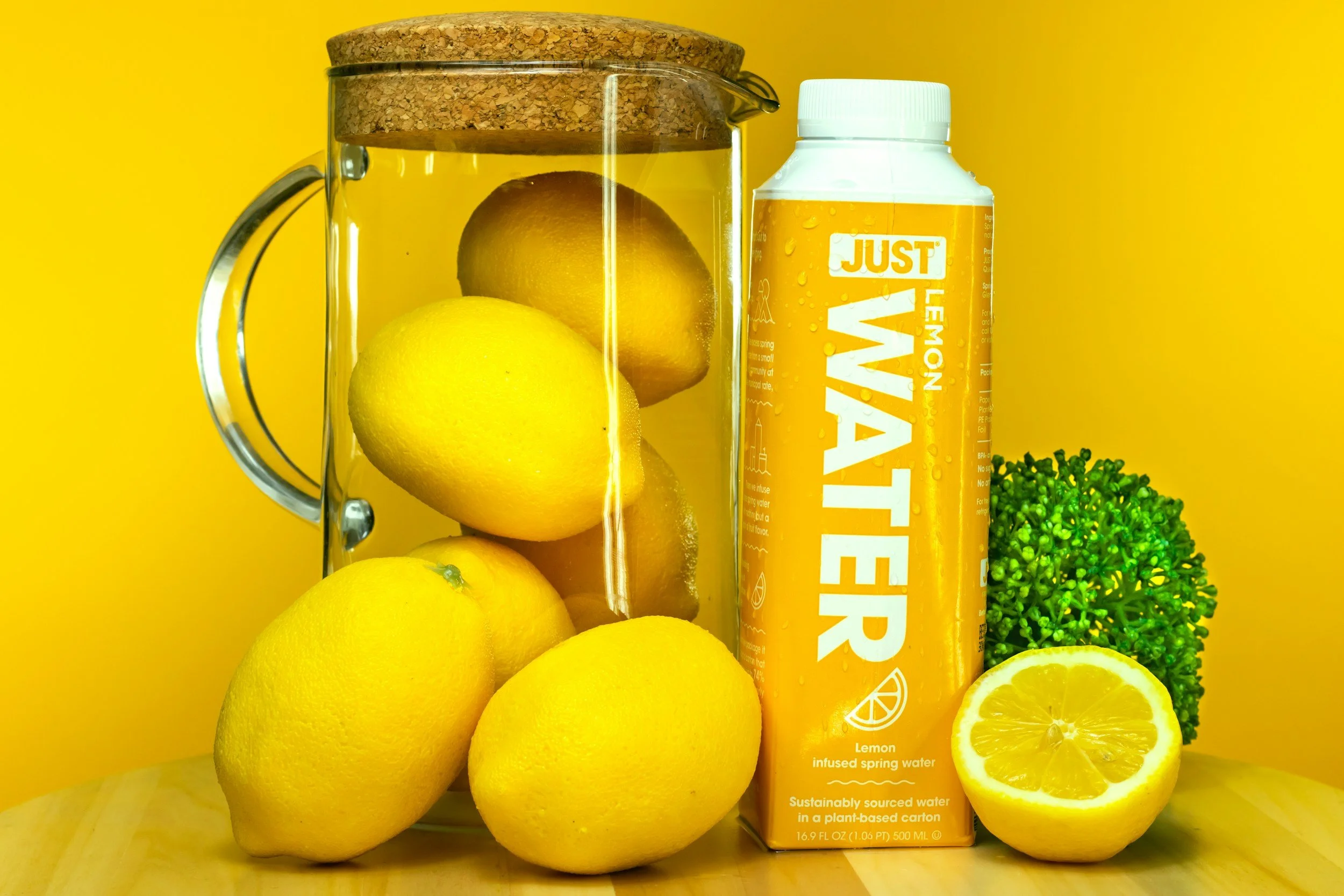
Quick answer: Drinking lemon water has not been shown to treat bacterial vaginosis, eliminate BV-related odor, or change vaginal pH. It’s fine as a beverage if you enjoy it, but it does not replace BV testing or treatment. And lemon juice should never be used as a vaginal douche.
Bacterial vaginosis (BV) happens when protective vaginal bacteria (Lactobacillus) drop and other bacteria (Gardnerella, anaerobes) overgrow. This raises vaginal pH above the normal acidic range (3.8–4.5) and often causes:
Fishy odor, especially after sex.
Thin gray or white discharge.
Mild irritation.
Lemon water’s appeal:
Lemons are highly acidic (pH ~2.0–2.5).
Rich in vitamin C, an antioxidant.
Promoted as “alkalizing” the body (ironically).
Cheap, easy, and feels “clean.”
Online claims often say lemon water will “acidify” vaginal pH, “detox” bad bacteria, or “restore balance.” But biology doesn’t work
that way.
What actually happens when you drink lemon water
Digestion changes everything
Drinking something acidic does not mean that acidity travels unchanged through your body. Lemon juice enters the digestive system, where its components are digested and metabolized. Your lungs, kidneys and other buffering systems tightly regulate the pH of your blood.
Drinking lemon water therefore does not send acidic lemon juice to the vagina or directly lower vaginal pH.
Key point: The acidity of a food or drink does not determine the pH of your vagina. Vaginal pH is influenced primarily by the local vaginal environment, including bacteria and hormones.
No direct vaginal effect
Your vagina’s pH is controlled locally by:
Vaginal bacteria (Lactobacillus).
Vaginal discharge and mucus.
Hormones and immune factors.
Dietary changes don’t override this local environment.
The science: Does lemon water affect vaginal pH or BV?
Short answer: No high‑quality studies show lemon water treats BV or meaningfully changes vaginal pH.
What little evidence exists
There are no clinical trials showing that drinking lemon water treats BV or restores vaginal pH. Staying hydrated supports general health, but there is no evidence that lemon water specifically clears BV, removes BV-associated bacteria, or corrects vaginal pH.
Vitamin C products that have been studied for vaginal use are not the same thing as drinking lemon water and lemon juice itself should not be used vaginally.
Lemon water myths vs vaginal health reality
Myth 1: “Lemon water acidifies the vagina directly.”
Reality: Your stomach destroys the acidity before it reaches your bloodstream. Vaginal pH is maintained by local bacteria, not blood pH.
Myth 2: “It detoxes bad bacteria from your vagina.”
Reality: Vaginas self‑cleanse through discharge. “Detox” drinks don’t selectively remove vaginal bacteria.
Myth 3: “Fishy BV odor disappeared after lemon water!”
Reality: Odor fluctuations are normal (cycle, sex, sweat). Coincidence doesn’t equal causation. Persistent odor needs testing.
Myth 4: “Lemon water balances your pH naturally.”
Reality: pH “balance” is marketing. Healthy vaginas are acidic that’s the goal. Lemon water doesn’t target vaginal acidity.
Risks of lemon water for BV (and worse ideas)
Drinking lemon water: Low risk
Drinking lemon water as an ordinary beverage is generally different from using lemon juice vaginally. It does not treat BV.
Because lemon juice is acidic, frequent exposure can contribute to dental enamel erosion. If you drink it regularly, the American Dental Association recommends limiting prolonged contact with the teeth and rinsing with plain water afterward.
Lemon Juice Should Not Be Used Vaginally
Do not douche with lemon juice or put lemon juice inside the vagina.
Vaginal douching can disrupt the normal vaginal environment and is associated with BV. The CDC also notes that douching may increase the risk of BV relapse and does not support douching for BV treatment or symptom relief.
Lemon juice is also highly acidic and may irritate sensitive vulvar or vaginal tissue.
Bottom line: drink it if you like it. Don’t put it in your vagina. and BV
Evidence‑based BV treatment
Diagnosis – confirm BV, rule out trichomoniasis, yeast, STIs.
Antibiotics – metronidazole or clindamycin (oral/vaginal).
Follow‑up for recurrence prevention.
pH‑supportive habits
No douching of any kind.
Unscented cleanser externally only.
Cotton underwear, change out of wet clothes.
Condoms if BV flares after unprotected sex.
Clinician‑guided options
For recurrent BV, talk with a healthcare professional about evidence-based treatment options. The CDC includes specific suppressive treatment strategies for people with multiple recurrences, and in some circumstances a clinician may use boric acid as one part of a larger treatment regimen.
Probiotics are being researched for BV, but the CDC does not currently consider commercially available probiotic products an established replacement or add-on treatment for active BV.
When lemon water might indirectly help
Lemon water won’t cure BV, but it could support general health:
When lemon water can still be perfectly fine
If adding lemon helps you enjoy drinking water, there’s nothing wrong with that. Think of it as a beverage not vaginal treatment.
Any benefit from drinking more water is about general hydration. There is no evidence that lemon water specifically prevents BV, restores Lactobacillus, eliminates odor caused by BV, or changes vaginal pH.
Frequently asked questions about lemon water and BV
Q: Does lemon water make my vaginal pH more acidic?
No evidence shows that it does. Drinking lemon water does not deliver lemon acid directly to the vagina. Vaginal pH is regulated locally, largely through the vaginal microbiome and other biological factors.
Q: I drank lemon water and my BV odor improved. What gives?
Coincidence likely. Odor fluctuates with cycle, sex, sweat. Improvement after lemon water doesn’t prove causation. Persistent odor needs testing.
Q: Is lemon water safe during pregnancy with BV?
Drinking diluted lemon water is generally safe, but BV in pregnancy needs clinician evaluation. Don’t rely on lemon water instead of proper treatment.
Q: Can I douche with diluted lemon juice safely?
No. Citric acid burns vaginal tissue, kills good bacteria, and increases infection risk. Never put lemon juice inside your vagina.
Q: Why do so many people recommend lemon water for BV?
Anecdotes + pH confusion. Acidity sounds logical, but digestion changes everything. Popular doesn’t mean proven.
Q: If lemon water doesn’t work, what does?
For symptomatic BV, proper diagnosis and evidence-based treatment are the starting point. Metronidazole and clindamycin are among the CDC-recommended treatments. Recurrent BV may require a different or longer-term strategy with a healthcare professional
Key takeaways
Lemon water doesn’t restore vaginal pH stomach acid neutralizes it before it reaches your bloodstream.
Drinking is safe but not a BV treatment.
Internal lemon juice burns tissue and disrupts microbiome.
Focus on diagnosis, antibiotics when needed, probiotics/boric acid under guidance, and microbiome‑friendly habits.
Your vagina doesn’t need lemon water or trendy detoxes it needs balance, accurate care, and evidence. If BV has you chasing quick fixes, use this guide to reset expectations and get real help.
Internal references:
About the Author
Becky Freeman is the founder of BVTalks® and Bee Vee Clean. She focuses on women’s intimate health, vaginal microbiome education, and creating practical, easy-to-understand content for everyday care.
Medical Disclaimer
This content is for educational purposes only and is not intended to diagnose, treat, cure, or prevent any condition. It should not be used as a substitute for professional medical advice, diagnosis, or treatment. Always consult a licensed healthcare provider if you have questions about your health or symptoms.
