

Apple Cider Vinegar for BV: Does It Balance Vaginal pH or Make Things Worse?
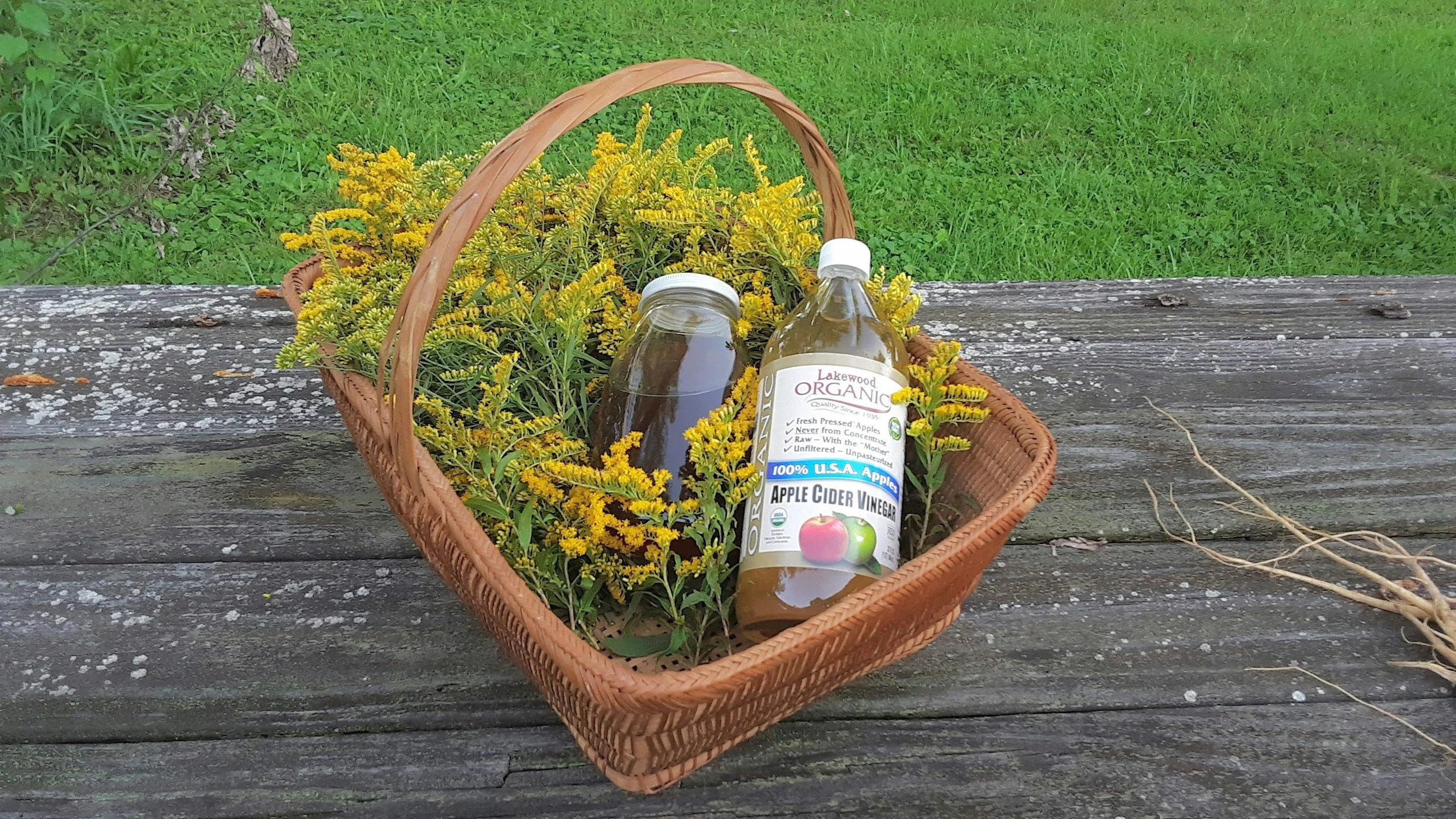
Apple cider vinegar (ACV) is one of the most popular “natural cures” you’ll find for everything from BV to yeast infections to vaginal odor. You’ve probably seen claims that drinking ACV, douching with it, or even soaking tampons in it will “restore vaginal pH” and banish fishy smells forever.
But does apple cider vinegar actually balance vaginal pH and treat BV, or is it another well‑meaning remedy that sounds good but doesn’t deliver? This guide breaks down what ACV is, how vaginal pH works, what the evidence (or lack of evidence) shows, and safer ways to support your vaginal health. It’s not personal medical advice, but it can help you cut through the online noise.
Understanding BV and vaginal pH
Bacterial vaginosis (BV) happens when the normal balance of vaginal bacteria shifts:
Protective Lactobacillus bacteria drop.
Anaerobic bacteria like Gardnerella vaginalis overgrow.
Vaginal pH rises above the normal acidic range (3.8–4.5).
This leads to fishy odor (especially after sex), thin gray/white discharge, and sometimes irritation.
Apple cider vinegar is promoted because:
It’s acidic (pH around 2–3).
Contains acetic acid, probiotics (in unfiltered versions), and other compounds.
Feels like a “natural” way to make the vagina more acidic again.
On paper, the logic makes sense but biology is more complex than pH numbers.
Why apple cider vinegar sounds like it should work
ACV enthusiasts often make these claims:
“ACV lowers vaginal pH naturally.”
“The probiotics in raw ACV repopulate good bacteria.”
“It detoxes and cleanses the vagina.”
The appeal:
Cheap and easy to find.
Feels proactive and “clean.”
Anecdotes of temporary odor relief.
But temporary relief doesn’t always equal long‑term healing or safety. Let’s look at what actually happens.
What happens when you use apple cider vinegar vaginally
Drinking ACV
Drinking apple cider vinegar (1–2 tablespoons in water daily) is popular for “internal cleansing.”
Reality:
What you drink gets processed through your digestive system.
By the time nutrients reach your bloodstream, it’s not delivering straight acetic acid to your vagina.
It may support general health (blood sugar, digestion) if you tolerate it, but it doesn’t directly affect vaginal pH.
Bottom line: Drinking ACV is safe for most people (watch your teeth), but it’s not a targeted BV or pH treatment.
Vaginal douching with ACV
This is the most common “ACV for BV” method: diluting ACV with water and using a douche device or soak.
Problems:
Too harsh for delicate tissue
Even diluted, acetic acid can burn or irritate vaginal mucosa.
Creates micro‑tears that make infections more likely.
Kills good bacteria too
Douching removes Lactobacillus the very bacteria you need for acidic pH.
Strongly linked to higher BV risk.
Temporary pH change only
Any acidity washes out quickly.
Doesn’t address underlying bacterial imbalance.
Result: Short‑term odor masking, often followed by worse symptoms or recurrence.
ACV soaks or tampon soaks
Some people soak tampons or pads in ACV and use them internally or externally.
Risks:
Concentrated contact burns tissue.
Tampons absorb and hold ACV against the cervix and walls.
Increases risk of TSS and other tampon‑related infections.
This method is particularly risky and strongly discouraged.
What research says about apple cider vinegar and BV
Spoiler: There isn’t much.
No high‑quality clinical trials specifically study ACV for BV.
Anecdotal reports exist, but they don’t control for other factors (like simultaneous antibiotic use).
Studies on vinegar douches generally show they increase infection risk, not reduce it.
Related research:
Acetic acid has antimicrobial properties in lab settings.
But vaginal tissue is different from Petri dishes.
No evidence it selectively kills BV bacteria while preserving Lactobacillus.
Current guidelines:
Major organizations (CDC, ACOG) do not recommend vinegar or ACV douching for BV.
Recommend evidence‑based treatments instead.
Risks of using apple cider vinegar for BV
Tissue irritation and burns
Vaginal mucosa is thin and sensitive. ACV can cause:
Burning or stinging during use.
Redness, soreness, or raw feeling afterward.
Micro‑tears that increase infection risk.
Inflamed tissue is more vulnerable to BV, yeast, and STIs.
Microbiome disruption
Douching with ACV (or anything) removes:
Protective mucus layer.
Lactobacillus bacteria that maintain pH.
Beneficial environment for healthy flora to regrow.
This often leads to more frequent BV rather than less.
False sense of security
Temporary odor relief can make you feel “cured,” delaying:
Proper testing (BV vs trichomoniasis vs STIs).
Evidence‑based treatment.
Discussion of recurrence prevention.
Pregnancy risks
Pregnant people should avoid all douching, including ACV. BV in pregnancy is linked to complications, and unproven home treatments can make diagnosis and care harder.
Safer alternatives for vaginal pH and BV support
Instead of ACV douching, consider these evidence-informed options:
Get proper diagnosis
Confirm BV with swabs and rule out trichomoniasis, yeast, chlamydia, gonorrhea.
Recurrent BV may need different treatment than first‑time BV.
Evidence‑based treatments
Metronidazole or clindamycin (oral or vaginal) remain first‑line for active BV.
Discuss maintenance regimens for frequent recurrence.
Clinician‑guided supports
Ask about:
Probiotics with vaginal Lactobacillus strains (L. crispatus, L. rhamnosus).
Boric acid capsules for recurrent BV/yeast (under medical supervision).
Vitamin C vaginal tablets formulated for vaginal use.
Lifestyle habits
No douching of any kind.
Unscented cleanser externally only.
Breathable cotton underwear.
Condoms if BV flares after unprotected sex.
What to do if you’ve already tried ACV for BV
If you’ve used apple cider vinegar and are dealing with fallout:
Stop immediately no more douching or internal use.
Rinse gently with lukewarm water externally.
Monitor symptoms for 2–3 days.
See a clinician if odor worsens, discharge changes, or irritation persists.
Bring your full treatment history so they understand what you’ve tried.
You’re not “broken” for trying popular remedies. You just need clearer information now.
Frequently asked questions about ACV and BV
Q: I’ve used ACV before and it seemed to help. Does that mean it worked?
Temporary odor relief doesn’t mean your microbiome was restored. ACV can kill odor‑producing bacteria short‑term, but douching disrupts Lactobacillus, often leading to recurrence. The “help” was likely masking, not healing.
Q: Is diluted ACV safe to douche with?
Even diluted, ACV douching carries risks of irritation, microbiome disruption, and higher BV rates. Current guidelines strongly recommend against all vaginal douching, including “natural” versions.
Q: Can I drink apple cider vinegar for BV?
Drinking ACV is safe for most people (1–2 tbsp in water daily) and may support general health, but it doesn’t directly reach or treat your vaginal microbiome. It’s not a targeted BV remedy.
Q: What about ACV baths or sitz baths?
ACV baths may feel soothing externally, but they don’t penetrate internally to affect vaginal pH or bacteria. They’re harmless but also not therapeutic for BV.
Q: Why do so many websites recommend ACV for BV?
Many online recommendations rely on anecdotes, not evidence. Vinegar’s antimicrobial properties work in labs, but vaginal tissue and microbiomes are complex. Popular doesn’t mean proven.
Q: If ACV doesn’t work, what does?
Evidence‑based steps:
Diagnosis – confirm BV, rule out STIs/yeast.
Treatment – antibiotics as directed.
Support – probiotics, boric acid (clinician‑guided), no douching.
Habits – breathable underwear, condoms if needed.
Key takeaways
Apple cider vinegar doesn’t safely or effectively balance vaginal pH for BV treatment.
Drinking ACV is fine for general health but doesn’t treat vaginal infections.
Douching or internal use irritates tissue, kills good bacteria, and increases BV risk.
Safer options include proper diagnosis, antibiotics when needed, probiotics/boric acid under guidance, and microbiome‑friendly habits.
Your vagina doesn’t need vinegar or harsh “cleanses” it needs balance, accurate diagnosis, and evidence‑based support. If BV has you feeling desperate for answers, take this guide to your next appointment. You deserve care that actually works.
Internal Links:
References:
About the Author
Becky Freeman is the founder of BVTalks® and Bee Vee Clean. She focuses on women’s intimate health, vaginal microbiome education, and creating practical, easy-to-understand content for everyday care.
Medical Disclaimer
This content is for educational purposes only and is not intended to diagnose, treat, cure, or prevent any condition. It should not be used as a substitute for professional medical advice, diagnosis, or treatment. Always consult a licensed healthcare provider if you have questions about your health or symptoms.
