

Progesterone Deficiency in Women: Symptoms, Testing, and Why It's the Missing Piece in So Many Diagnoses
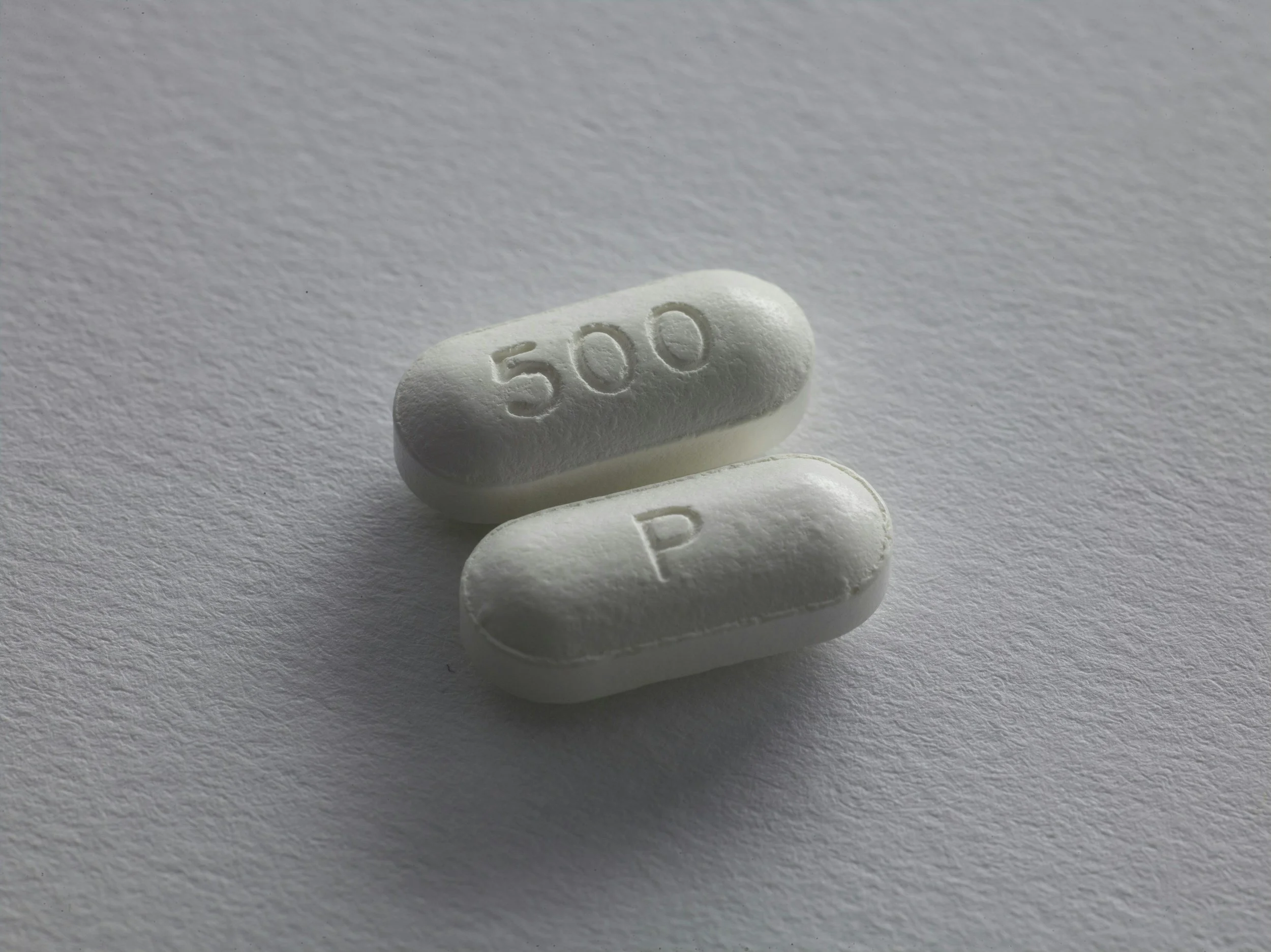
If you have spent years feeling like something is wrong anxiety that spikes in the second half of your cycle, sleep that falls apart a week before your period, PMS that goes beyond mood swings and every test comes back "normal," there is a real possibility that progesterone has never been properly evaluated.
Progesterone deficiency is one of the most common and most frequently missed hormonal imbalances in women of reproductive age. It does not always appear on a standard hormone panel, and its symptoms anxiety, insomnia, irregular cycles, heavy bleeding, mood instability overlap with so many other diagnoses that women are often treated for the symptom rather than the root cause. This post covers what progesterone does, what happens when it is too low, how it is properly tested, and what the evidence says about treatment.
Internal Links:
Hormonal Acne in Your 30s: Causes and What Actually Clears It
Cortisol and Hormones: What Stress Does to Your Body
PMDD: When PMS Becomes Something Much Darker
What Progesterone Actually Does
Progesterone is a steroid hormone produced primarily by the corpus luteum the temporary structure that forms in the ovary after ovulation and, during pregnancy, by the placenta. It is often called the "pregnancy hormone," but its role extends well beyond pregnancy support.
In the menstrual cycle, progesterone dominates the luteal phase from ovulation through the next period (typically days 14 to 28). During this phase it:
Thickens and stabilizes the uterine lining to support potential implantation
Counterbalances estrogen, preventing the uterine lining from overstimulating
Acts on the brain via GABA receptors its metabolite allopregnanolone has a calming, anti-anxiety effect
Supports body temperature regulation (it causes the slight rise in basal body temperature after ovulation)
Plays a role in sleep quality through its sedating neurological effects
Supports thyroid hormone function and the immune system
When progesterone is sufficient, the luteal phase feels relatively stable. When it is low, the body notices often in the week or two before menstruation.
The Symptoms of Progesterone Deficiency
The symptoms of low progesterone cluster in the luteal phase they appear or worsen in the 10 to 14 days before your period and improve once bleeding begins. This cyclical pattern is one of the most important diagnostic clues.
Menstrual and cycle changes:
Cycles shorter than 24 days, or a luteal phase shorter than 10 days
Spotting in the days before your period officially begins
Heavy or prolonged menstrual bleeding
Irregular cycles or cycles that vary significantly in length
Missed or infrequent periods (if ovulation is absent or weak, progesterone production is minimal)
Mood and neurological symptoms:
Anxiety that spikes or worsens in the second half of the cycle often described as a feeling of dread that appears without an obvious trigger
Irritability or mood swings that feel disproportionate and cyclically timed
Depression or low mood in the week before menstruation
Difficulty concentrating or brain fog, particularly premenstrually
PMDD-like symptoms (premenstrual dysphoric disorder shares significant overlap with luteal phase progesterone insufficiency)
Sleep disruption:
Difficulty falling asleep or staying asleep, particularly in the week before menstruation
Waking in the early hours without being able to return to sleep
Vivid or disturbing dreams premenstrually
Physical symptoms:
Breast tenderness in the second half of the cycle
Bloating and water retention premenstrually
Headaches or migraines that are cyclically timed, often premenstrual
Weight gain, particularly around the abdomen, associated with relative estrogen dominance when progesterone is low
Fertility and pregnancy:
Difficulty conceiving despite regular, timed intercourse
Recurrent early pregnancy loss progesterone is essential for maintaining early pregnancy
Short luteal phase (fewer than 10 days between ovulation and period)
Understanding Estrogen Dominance
Estrogen dominance describes a relative imbalance where progesterone is low relative to estrogen regardless of whether estrogen is actually elevated. Progesterone and estrogen oppose each other throughout the cycle: when progesterone is insufficient, estrogen's effects go unchecked, producing heavy bleeding, breast tenderness, water retention, and mood instability.
A woman can have entirely "normal" estrogen levels and still experience estrogen dominance a distinction frequently missed when only estrogen is tested.
What Causes Progesterone Deficiency?
Low progesterone in women of reproductive age almost always traces back to one or more of the following:
Absent or weak ovulation: Since progesterone is produced by the corpus luteum which only forms after ovulation any condition that disrupts ovulation reduces progesterone production. This includes PCOS, thyroid dysfunction, hyperprolactinemia, and stress-related cycle disruption.
Chronic stress and elevated cortisol: The adrenal glands use the same building block (pregnenolone) for both cortisol and progesterone. Under chronic stress, cortisol is prioritized sometimes called "pregnenolone steal" reducing progesterone availability. Women under sustained stress frequently develop cycle irregularities and luteal phase shortening.
Perimenopause: The transition to menopause begins with declining ovarian reserve and increasingly irregular ovulation which means progesterone production becomes inconsistent, often years before estrogen noticeably declines. Many women in their early-to-mid 40s experience significant progesterone deficiency while their estrogen remains relatively normal, leading to heavier, more irregular cycles and worsening PMS.
Thyroid dysfunction: Hypothyroidism is strongly associated with disrupted ovulation and luteal phase insufficiency. The thyroid-progesterone relationship runs in both directions: thyroid hormones support progesterone production, and progesterone supports thyroid function. Unmanaged hypothyroidism is one of the most common and most treatable underlying causes of low progesterone.
Elevated prolactin: High prolactin levels (hyperprolactinemia) suppress ovulation and directly reduce progesterone production. It is a frequently overlooked cause of luteal phase deficiency and warrants testing when progesterone is low.
Excess body fat or insulin resistance: Fat cells produce and metabolize estrogens, contributing to relative estrogen dominance. Insulin resistance associated with PCOS disrupts ovarian function and progesterone production.
Very low body weight or body fat: Disrupts the HPO axis, suppressing ovulation and progesterone production seen in eating disorders, extreme athletes, and highly restrictive diets.
How Progesterone Is Properly Tested
Timing is everything. Progesterone must be tested during the mid-luteal phase approximately seven days after ovulation, typically around day 21 of a 28-day cycle. Testing at the wrong time produces meaningless results. If your cycle is longer or shorter, day 21 may not be the mid-luteal point.
What the test measures: Mid-luteal serum progesterone below 3 ng/mL suggests absent or poor ovulation. Levels of 3–10 ng/mL suggest ovulation occurred but luteal support may be inadequate. Above 10 ng/mL is generally considered adequate, though some practitioners argue optimal symptom resolution requires 15 ng/mL or higher.
Because progesterone is released in pulses, a single draw is a snapshot. A low result is significant; a "normal" result does not fully rule out insufficiency if symptoms are consistent.
Other tests to pair with progesterone:
LH surge tracking — to confirm ovulation occurred and correctly time the mid-luteal draw
TSH and free T4 — to rule out thyroid dysfunction as an underlying driver
Prolactin — to rule out hyperprolactinemia
Estradiol — to assess the estrogen-progesterone ratio
AMH and Day 3 FSH — if ovarian reserve is a concern, particularly in women over 35
Saliva and urine testing (DUTCH test): Used by functional medicine practitioners to assess progesterone metabolites over 24 hours rather than a single snapshot. Not universally accepted by conventional medicine; interpret with a knowledgeable provider.
Treatment Options: What the Evidence Says
Treat the underlying cause first. If low progesterone is driven by hypothyroidism, hyperprolactinemia, PCOS, or chronic stress, treating those conditions directly is the most effective and durable approach. Progesterone supplementation on top of an untreated thyroid disorder addresses the symptom without the root cause.
Progesterone supplementation: For women with confirmed luteal phase deficiency and symptoms or fertility concerns, progesterone supplementation during the luteal phase is a common clinical approach. Options include:
Oral micronized progesterone (Prometrium) — taken at bedtime during the luteal phase; 100 to 200 mg nightly from ovulation through menstruation or a confirmed negative pregnancy test. The sedating effect makes bedtime dosing ideal.
Vaginal progesterone — higher local bioavailability in the uterus than oral, with fewer systemic effects. Preferred for fertility and early pregnancy support.
Progesterone cream (topical bioidentical) — widely available and widely used, but evidence for clinical efficacy is limited compared to oral or vaginal routes due to variable absorption.
Important caveat: The evidence base for progesterone supplementation is more contested than is often implied. A 2024 PubMed review found that the relationship between luteal phase deficiency and recurrent pregnancy loss remains unclear, and progesterone supplementation has not consistently demonstrated efficacy in improving fertility outcomes beyond IVF support. Women should discuss the current evidence and its limitations with their provider.
Lifestyle and nutritional support:
Stress reduction — managing chronic cortisol directly supports progesterone production
Vitamin B6 — supports luteal function and reduces premenstrual symptoms
Vitamin C — associated with better progesterone levels, possibly by supporting corpus luteum function
Magnesium — well-established benefits for PMS and premenstrual anxiety
Zinc — supports ovulation and luteal function
Healthy weight maintenance — both underweight and overweight states disrupt ovulation and progesterone
When to See a Provider
If your symptoms are cyclically timed and consistently worse in the second half of your cycle, progesterone evaluation is worth requesting. Bring a symptom diary noting when each symptom appears and resolves this pattern is often more diagnostically useful than any single lab result.
Ask specifically for: mid-luteal serum progesterone (timed seven days after confirmed ovulation), TSH, free T4, prolactin, and estradiol. If cyclical symptoms are dismissed without hormonal evaluation, a second opinion from a reproductive endocrinologist or hormone specialist is appropriate.
“This article is based on current medical guidance and research from the following trusted sources:”
Resources & Sources
Cleveland Clinic — Low Progesterone: Causes, Symptoms, Tests & Treatment: clevelandclinic.org
National Institutes of Health / PMC — Progesterone and the Luteal Phase: pmc.ncbi.nlm.nih.gov
PubMed — Luteal Phase Defects and Progesterone Supplementation (2024): pubmed.ncbi.nlm.nih.gov
Medscape — Luteal Phase Dysfunction: Practice Essentials: emedicine.medscape.com
Medical News Today — Low Progesterone: Symptoms and Treatment: medicalnewstoday.com
Rupa Health — Integrative Approach to Progesterone Imbalance: rupahealth.com
Healthline — Low Progesterone: Symptoms, Causes, and Treatment: healthline.com
Mayo Clinic — Premenstrual Syndrome: Symptoms and Causes: mayoclinic.org
Aspect Health — Low Progesterone Symptoms: 9 Signs, Causes and Fixes (2026): aspect-health.com
Marion Gluck Clinic — 11 Symptoms of Low Progesterone and What to Do About It: mariongluckclinic.com
Have you ever pushed for a hormone panel and been told everything was "normal" only to keep feeling off? Or found that progesterone was the piece nobody had checked? Share your experience in the comments. This is exactly the kind of conversation that changes healthcare outcomes for the women reading this.
Author
Becky Freeman is the founder of BVTalks® and Bee Vee Clean. She focuses on women’s intimate health, vaginal microbiome education, and creating practical, easy-to-understand content for everyday care.
Disclaimer: This post is for educational purposes only and is not a substitute for professional medical advice. Always consult your healthcare provider for personalized guidance.
