

What Is Sudocrem and Can You Use It on Your Vaginal Area?
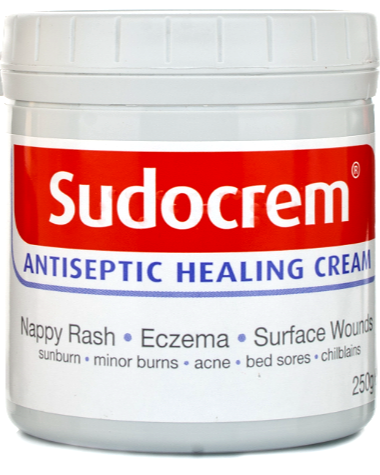
If you grew up anywhere near drugstore baby aisles, you have probably seen the gray tub: Sudocrem. Most of us learned it as “diaper rash cream,” but somewhere along the line, someone said, “You can put it on anything.” Bug bites, spots, burns, mystery rashes and yes, a lot of women quietly ask if they can put it on their vulva when things down there feel sore or irritated.
But the question you actually need answered is specific:
What is Sudocrem made of?
Is it safe for the external vulva?
And should it ever go inside the vagina?
Let’s break it down so you can stop guessing.
What Sudocrem Actually Is
Sudocrem Antiseptic Healing Cream is a thick, white, occlusive cream originally made for diaper rash and minor skin irritations. Its active ingredients are:
Zinc oxide creates a physical barrier over the skin, protecting against moisture and irritants.
Benzyl alcohol mild local anesthetic and antiseptic that can reduce stinging and provide some numbing.
Benzyl benzoate & benzyl cinnamate components derived from balsam of Peru with mild antiseptic and anti‑inflammatory properties.
Lanolin an emollient that softens and moisturizes dry, irritated skin.
The base also contains ingredients like paraffin, liquid paraffin, beeswax or synthetic wax, sorbitan sesquioleate, propylene glycol, lavender oil, and preservatives such as sodium benzoate.
Sudocrem is officially licensed for:
Diaper/nappy rash
Eczema and contact dermatitis
Minor burns and sunburn
Surface wounds and acne spots
And importantly: the manufacturer labels it for external use only.
Can You Use Sudocrem on the Vulva?
When people say “vaginal area,” they often mean the vulva, which is the external genital area. Sudocrem is made for external skin, but the manufacturer does not specifically recommend it for vulvar care. Its official product information also says the cream should not come into contact with mucous membranes.
That distinction matters because vulvar skin can be especially sensitive. Sudocrem contains ingredients including zinc oxide, lanolin, benzyl alcohol, lavender oil, and preservatives. Some people may tolerate these ingredients on ordinary external skin, while sensitive vulvar skin may become irritated.
If soreness or irritation is close to the vaginal opening, affects the inner vulva, keeps returning, or has no obvious cause, it is better to speak with a healthcare professional instead of repeatedly treating it with an over-the-counter skin cream.
If you’re reaching for Sudocrem out of frustration…
It’s usually a sign no one has given you a proper map of safer options. Before you keep using a diaper rash cream on vulvar skin, read:
Natural Remedies for BV: What Helps, What’s Risky, and What’s a Myth – where Sudocrem and similar creams fit in the “risky” category.
Probiotics for BV: Can They Actually Restore Vaginal pH? – if you’re wondering about “from the inside out” support.
How to Restore Vaginal pH Naturally (Without Making It Worse)– to see which DIY tricks are most likely to backfire.
Can You Put Sudocrem Inside the Vagina?No. Sudocrem should not be inserted into the vagina.
Sudocrem is labeled for external use only, and its prescribing information says it should not come into contact with mucous membranes. The vagina is internal mucosal tissue, so this product was not designed or approved for use there.
If you are experiencing itching, burning, unusual discharge, odor or discomfort, there are many possible causes including infections and skin conditions and the correct treatment depends on the cause.
Sudocrem vs. Vaginal Infections
Sudocrem does not treat:
Bacterial vaginosis
Yeast infections
Trichomoniasis or other STIs
Aerobic vaginitis or UTI
At best, it may slightly numb or protect the outer skin when it is raw from scratching or discharge. At worst, it can:
Mask symptoms and delay you from getting diagnosed
Trap moisture and heat, giving yeast a perfect environment
Cause an allergic or irritant dermatitis on already stressed vulvar skin
If you have new discharge, a change in odor, or internal discomfort, skip the Sudocrem and see a clinician instead of trying to manage it with diaper rash cream.
When Sudocrem Might Be Okay
Short‑term, external use may be reasonable if:
You know the irritation is from friction (e.g., pads, liners, running shorts, cycling).
There is no new discharge, odor, or internal pain.
You apply a very thin layer only on the outer labia or groin folds, not into the inner labia or vaginal opening.
Even then, if you need it more than a few days in a row, it is worth asking why your vulvar skin is so irritated in the first place.
Better Options for Everyday Vulvar Care
If your goal is to care for the “vaginal area” and prevent infections or irritation, prioritize:
Fragrance‑free, pH‑balanced intimate washes used only on the external vulva, never inside.
100% cotton underwear and loose clothing to reduce friction and moisture.
Simple barrier ointments made for sensitive skin (like plain petrolatum or zinc creams without fragrance and minimal ingredients).
Targeted medical treatment (metronidazole, clindamycin, antifungals, etc.) when BV, yeast, or other infections are present.
Think of Sudocrem as a backup, not a go‑to: fine for occasional external chafing, not a cure‑all for anything that burns below the waist.
f you’re tired of guessing with creams meant for babies, not vaginas…
Start with Natural Remedies for BV: What Helps, What’s Risky, and What’s a Mythto get a clear list of “yes, no, and only with supervision.”
Save our Chronic Vaginal & Pelvic Conditions Guide if you suspect there’s more going on than odor alone.
And if you want a product created for vulvar skin, explore our BeeVee Clean pH‑balanced wash instead of multi‑purpose creams.
“This article is based on current medical guidance and research from the following trusted sources:”
Resources & Sources
Resources & Sources
Medicines.org.uk Sudocrem Antiseptic Healing Cream: Summary of Product Characteristics (SmPC)-medicines.org.uk/emc/product/8860/smpc
Sudocrem Antiseptic Healing Cream Ingredients (Canada site, same core formula)- sudocrem.com/ca-en/antiseptic-healing-cream/ingredients
Vinmec International Hospital - What is Sudocrem 60g used for? - vinmec.com/eng/blog/what-are-the-uses-of-sudocrem-60g-en
Author
Becky Freeman is the founder of BVTalks®. She focuses on women’s intimate health, vaginal microbiome education, and creating practical, easy-to-understand content for everyday care.
Disclaimer: This post is for educational purposes only and is not a substitute for professional medical advice. Always consult your healthcare provider for diagnosis and treatment.
