

What Is PID ?
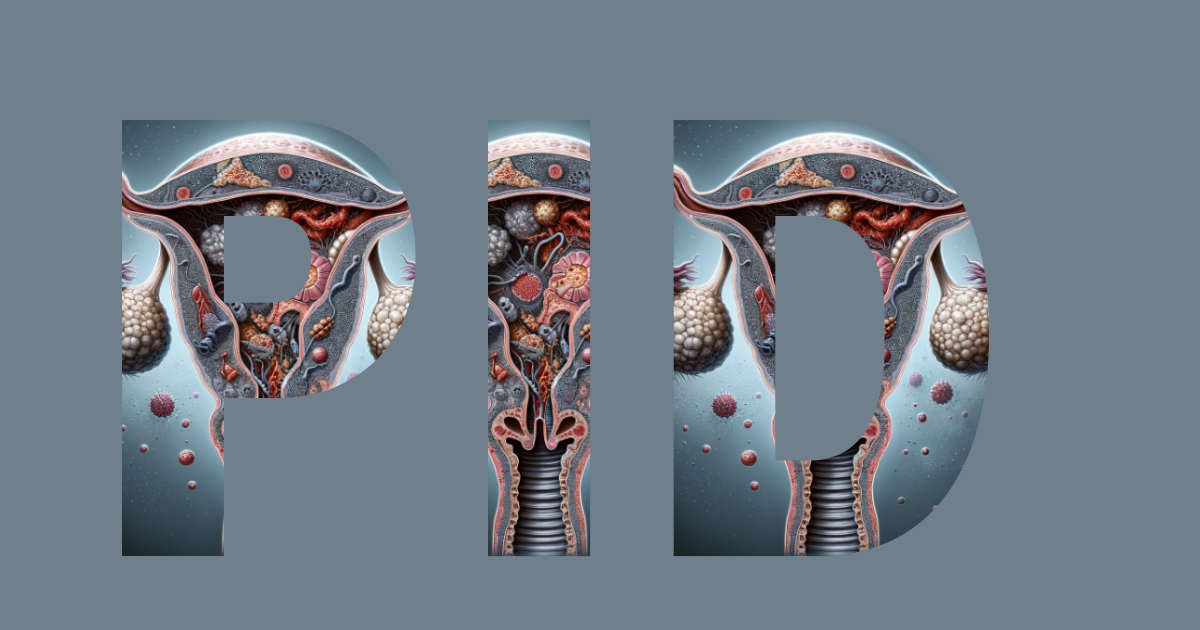
Pelvic pain. Weird discharge. Maybe a low‑grade fever. You go in, get told it is “probably just an infection,” are given antibiotics, and sent home. No one says the words pelvic inflammatory disease out loud or explains what that diagnosis actually means for your future fertility, your risk of ectopic pregnancy, or your chances of having chronic pelvic pain for years.
Pelvic inflammatory disease (PID) is not just a “bad infection.” It is one of the major preventable causes of infertility in women and it often flies under the radar because symptoms can be mild or brushed off. Understanding what PID is, how it happens, and how fast it needs treatment is critical for anyone with a uterus who is sexually active.
What Exactly Is PID?
Pelvic inflammatory disease is an infection and inflammation of the upper reproductive tract:
Uterus (endometritis)
Fallopian tubes (salpingitis)
Ovaries and surrounding tissues (oophoritis, tubo‑ovarian abscess)
PID usually starts when bacteria travel upward from the vagina and cervix into these upper structures. The most common culprits are sexually transmitted infections particularly chlamydia and gonorrhea but other vaginal bacteria, including those associated with BV, can also be involved.
Why PID Is Such a Big Deal
Even one episode of PID can cause permanent damage. The infection and inflammation can:
Scar and narrow the fallopian tubes.
Damage the tiny cilia in the tubes that help move the egg along.
Cause adhesions (sticky scar tissue) between pelvic organs.
This damage leads to:
Infertility about 1 in 10 women with PID may become infertile due to tubal scarring, and risk climbs with each episode.
Ectopic pregnancy when a fertilized egg implants in a damaged tube instead of the uterus; large studies show ectopic risk several times higher after PID.
Chronic pelvic pain long‑term pain affecting up to roughly 18% of women after PID.
These are not rare side effects they are common outcomes when PID is not caught and treated early.
How PID Develops
Most PID follows the same basic pattern:
An infection starts in the lower genital tract often chlamydia, gonorrhea, or a polymicrobial mix including BV‑associated bacteria.
If untreated or undertreated, the organisms ascend through the cervical canal into the uterus and then up the fallopian tubes.
The body mounts an inflammatory response, which can damage tissues even after bacteria are cleared.
Risk factors include:
Untreated chlamydia or gonorrhea.
Multiple partners or a new partner without condom use.
Previous PID episode (which increases risk of another).
Douching (which can push bacteria upward).
Any procedure that opens the cervix (rarely), like some abortions or IUD insertion in the presence of active infection.
Symptoms of PID (And Why It Gets Missed)
PID can range from dramatic to barely noticeable. Common symptoms include:
Lower abdominal or pelvic pain (dull, crampy, or constant).
Pain during sex, especially deep penetration.
Abnormal vaginal discharge, often with odor.
Abnormal bleeding between periods or after sex.
Painful or frequent urination.
Fever and chills in more severe cases.
But here is the problem: many women have mild PID with no fever and only vague pelvic discomfort. Some have no symptoms at all. That is how silent damage happens.
Clinical guidelines emphasize that if a sexually active woman has pelvic pain and tenderness on pelvic exam (uterine, cervical motion, or adnexal tenderness), clinicians should have a low threshold to treat for PID, even if tests are not all back yet.
How PID Is Diagnosed
There is no single “PID test.” Diagnosis is based on:
History sexual history, STI exposure, timing of symptoms.
Pelvic exam checking for cervical motion tenderness, uterine tenderness, and tenderness near the ovaries/fallopian tubes.
Lab tests swabs for chlamydia and gonorrhea; vaginal tests for BV or other infections; blood tests for markers of infection.
Pregnancy test to rule out ectopic pregnancy, which can mimic some symptoms.
Ultrasound used if an abscess or other pelvic pathology is suspected.
Laparoscopy (looking inside the pelvis with a camera) is the gold standard for confirming PID but is rarely done unless the diagnosis is unclear or complications are suspected.
How PID Is Treated
Because PID can cause long‑term damage, treatment usually starts as soon as it is suspected, not after every single test result comes back.
Standard outpatient treatment includes combination antibiotics that cover:
Gonorrhea usually with an injection of ceftriaxone.
Chlamydia with doxycycline tablets.
Anaerobic and BV‑associated bacteria with metronidazole.
Typical course: 14 days of oral antibiotics after any injections.
Hospital admission and IV antibiotics may be needed if:
You have severe pain, high fever, or vomiting.
You are pregnant.
A tubo‑ovarian abscess is suspected.
You do not improve within 48–72 hours on oral treatment.
Sexual partners need testing and treatment for STIs to prevent reinfection.
The Role of BV and Ureaplasma in PID
Chlamydia and gonorrhea are the best‑known drivers of PID, but they are not the only ones. Research shows:
BV‑associated bacteria can be found in the upper genital tract of women with PID more often than in those without, and BV roughly doubles PID risk.
Ureaplasma and Mycoplasma species have also been detected in the uterus and tubes of women with PID, although their exact role is still being clarified.
That means recurrent, untreated BV and organisms like Ureaplasma are not just “annoying vaginal problems”—they can be part of a bigger chain that eventually reaches the upper tract if not addressed.
When to Seek Immediate or Urgent Care
Go to urgent care or the ER, or call your provider immediately if you have:
Sudden, severe pelvic or lower abdominal pain.
Pelvic pain plus fever or chills.
Signs of shock: fainting, dizziness, rapid heartbeat.
A positive pregnancy test plus pelvic pain (possible ectopic pregnancy).
Schedule a prompt (non‑emergency) visit if you notice:
Persistent pelvic pain or deep pain with sex.
Recurrent abnormal discharge plus pelvic discomfort.
Bleeding after sex or between periods.
Trust the voice in your head that says, “This is not my normal,” especially if you have had untreated STIs, BV, or new partners.
“This article is based on current medical guidance and research from the following trusted sources:”
Resources & Sources
StatPearls Pelvic Inflammatory Disease-
ncbi.nlm.nih.gov/books/NBK499959
Illinois Department of Public Health Pelvic Inflammatory Disease (PID)-
idph.state.il.us/public/hb/hbpid.htm
Mayo Clinic Pelvic Inflammatory Disease (PID): Symptoms & Causes-
mayoclinic.org/diseases-conditions/pelvic-inflammatory-disease/symptoms-causes/syc-20352594
Author
Becky Freeman is the founder of BVTalks®. She focuses on women’s intimate health, vaginal microbiome education, and creating practical, easy-to-understand content for everyday care.
Disclaimer: This post is for educational purposes only and is not a substitute for professional medical advice. Always consult your healthcare provider for diagnosis and treatment.
