

What Is Gardnerella? The Bacteria at the Center of BV Explained
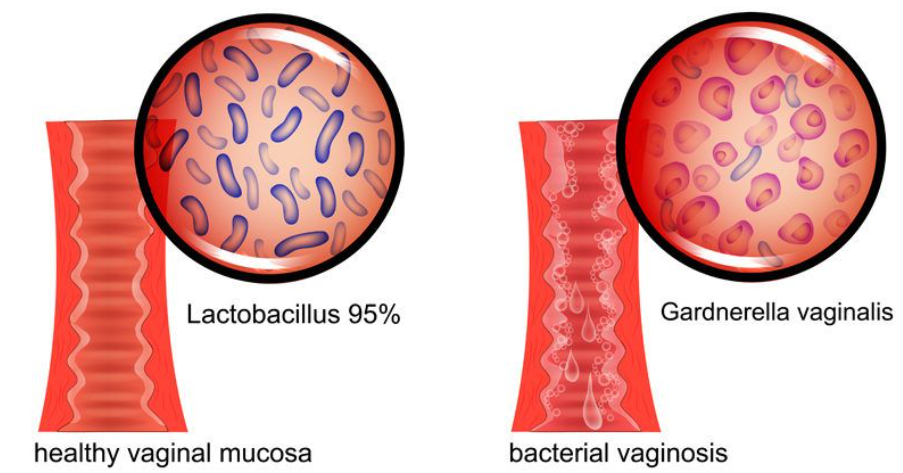
If you have ever been diagnosed with bacterial vaginosis, there is one name that appears in almost every conversation about it in research papers, on forums, in your lab results. That name is Gardnerella vaginalis*. It is the bacteria most strongly associated with BV, and for decades it was believed to be the single cause of the condition.
The reality, as science has uncovered, is far more complex and far more interesting. Gardnerella is not simply a bad bacteria that invades a healthy vagina. It is an organism that can live quietly in small numbers even in healthy women and then, under the right conditions, transform into a highly aggressive, biofilm-building, ecosystem-disrupting force that triggers BV and makes it incredibly difficult to cure.
Understanding Gardnerella what it is, what it does, and why it behaves the way it does is one of the most important things any woman dealing with recurrent BV can do for herself.
What Is Gardnerella Vaginalis?
Gardnerella vaginalis is a gram-variable bacterium meaning it has characteristics of both gram-positive and gram-negative bacteria, which is one of the things that makes it unusual and sometimes tricky to target with antibiotics. It is a facultative anaerobe, meaning it can survive both with and without oxygen, though it prefers low-oxygen environments.
It was first identified in 1953 by Dr. Herman Gardner and Dr. Charles Duke, who isolated it from women with what was then called "nonspecific vaginitis." It was originally named Haemophilus vaginalis, then Corynebacterium vaginale, before being reclassified as Gardnerella vaginalis in 1980 in honor of its discoverer.
For decades, the assumption was simple: Gardnerella = BV. Find Gardnerella, treat Gardnerella, cure BV. But modern molecular research has completely upended that understanding.
The Surprising Truth: Gardnerella Is Found in Healthy Women Too
One of the most important and least discussed findings in modern BV research is that Gardnerella vaginalis can be detected in up to 50–70% of healthy women with no BV symptoms.
This means Gardnerella is not automatically a pathogen (disease-causing organism). In small amounts, in a Lactobacillus-dominated vaginal environment, it appears to coexist without causing harm. It is what microbiologists call an opportunistic pathogen it only becomes a problem when conditions shift in its favor.
What conditions favor Gardnerella overgrowth?
A decline in protective Lactobacillus bacteria
A rise in vaginal pH above 4.5
Disruptions like unprotected sex, antibiotic use, hormonal changes, or menstruation
The presence of co-infecting bacteria that synergize with Gardnerella
When the vaginal ecosystem tips out of balance, Gardnerella does not just grow more it changes its behavior entirely, becoming more virulent, more adhesive, and activating its most powerful weapon: biofilm formation.
How Gardnerella Triggers BV
The process by which Gardnerella shifts from quiet cohabitant to BV architect is well-studied and follows a clear progression:
1. Lactobacillus Decline
Something disrupts your Lactobacillus population. Lactic acid and hydrogen peroxide production drops. Vaginal pH rises.
2. Gardnerella Proliferation
With less competition and a more hospitable pH, Gardnerella begins multiplying rapidly. It produces an enzyme called sialidase, which breaks down the protective mucus layer of the vaginal wall, making it easier for bacteria to adhere to vaginal epithelial cells.
3. Biofilm Formation
Gardnerella adheres to the vaginal wall and begins producing its extracellular matrix the sticky, protective biofilm structure. This is the step that transforms a manageable overgrowth into a chronic, treatment-resistant condition.
4. Recruitment of Other Bacteria
Once the Gardnerella biofilm is established, it acts as an anchor point and shelter for other BV-associated anaerobes Atopobium vaginae, Prevotella species, Mobiluncus species, and others. These bacteria are recruited into the biofilm community, increasing its complexity and treatment resistance.
5. Cytotoxin Production
Gardnerella produces a toxin called vaginolysin (also called GARDAP) a pore-forming protein that directly damages vaginal epithelial cells and red blood cells. Vaginolysin triggers an inflammatory response and contributes to the cell damage and discharge associated with BV.
The Multiple Species of Gardnerella
Recent genomic research has revealed another layer of complexity: Gardnerella vaginalis is not one species it is at least four.
In 2019, researchers proposed reclassifying Gardnerella into multiple distinct species:
Gardnerella vaginalis (the original, most studied)
Gardnerella piotii
Gardnerella leopoldii
Gardnerella mobiluncus
These species differ in their virulence, their biofilm-forming ability, their antibiotic susceptibility, and their association with BV severity. Gardnerella piotii, for example, has been shown to be particularly aggressive in biofilm formation and may be more strongly associated with recurrent BV than standard Gardnerella vaginalis.
This is cutting-edge research that has not yet translated into routine clinical practice most labs and providers still treat Gardnerella as a single organism. But it helps explain why some women's BV responds well to standard treatment while others experience relentless recurrence: they may be dealing with different, more virulent Gardnerella species.
Gardnerella and the Clue Cell
If you've ever had a BV diagnosis confirmed under a microscope, your provider was looking for clue cells one of the four Amsel criteria for BV diagnosis. Clue cells are vaginal epithelial cells so covered with Gardnerella bacteria that their edges become obscured and stippled under microscopy.
When you see clue cells, it means Gardnerella has adhered so heavily to the surface of your vaginal cells that those cells are essentially carpeted with bacteria. This adhesion is the first physical step in biofilm formation it is Gardnerella staking its claim on the vaginal wall.
The presence of clue cells (more than 20% of epithelial cells in a wet prep sample) is considered one of the most reliable indicators of BV. But remember it tells you Gardnerella is present and overgrowing. It does not tell you which Gardnerella species, how established the biofilm is, or whether Atopobium and other bacteria are also present.
Why Treating Gardnerella Is Only Half the Battle
Standard BV antibiotics metronidazole and clindamycin target Gardnerella at the free-floating, planktonic level. They reduce bacterial load, lower pH, resolve symptoms, and produce a negative BV test. For many women, this is enough, especially for a first or infrequent episode.
But for women with recurrent BV, the issue is almost always the biofilm and no standard antibiotic reliably penetrates and destroys mature Gardnerella biofilm. Studies have shown that Gardnerella within established biofilm can tolerate antibiotic concentrations up to 1,000 times higher than the minimum needed to kill free-floating Gardnerella. The fortress survives. The bacteria inside survive. And when antibiotics clear from the system, the biofilm repopulates the vaginal environment.
This is why treatment strategies that combine biofilm disruption with bacterial killing such as EDTA-based gels, boric acid, or newer antiseptic treatments like Fluomizin (dequalinium chloride) are gaining traction in the research community as more effective options for recurrent BV.
Gardnerella and Sexual Transmission
Whether BV and Gardnerella can be sexually transmitted remains one of the more debated questions in women's health research. What the evidence currently shows:
Gardnerella has been detected on the penile microbiome of male partners of women with BV
Female same-sex couples have significantly higher rates of BV concordance meaning both partners are more likely to have BV simultaneously suggesting sexual transmission between women
Studies of male partner treatment have shown mixed results in reducing BV recurrence
Current clinical guidelines do not recommend routine treatment of male sexual partners
What this means practically: sexual activity is a clear trigger and risk factor for BV, and Gardnerella can be exchanged between partners. Whether this rises to the level of a true STI in the traditional sense remains under scientific debate but protecting your vaginal pH through consistent condom use, especially during and after BV treatment, is a reasonable protective step.
Gardnerella and Pregnancy
Like BV generally, Gardnerella overgrowth during pregnancy carries real risks:
Preterm labor and premature rupture of membranes
Postpartum endometritis (uterine infection after delivery)
Low birth weight
Increased risk of miscarriage, particularly in the second trimester
Gardnerella produces enzymes including sialidase and prolidase that can degrade the cervical mucus plug and amniotic membranes, contributing to preterm birth risk. This is one of the primary reasons BV screening and treatment during pregnancy is important not just for maternal comfort but for fetal outcomes.
Supporting Your Body Against Gardnerella Overgrowth
While Gardnerella cannot be permanently eliminated from the vagina (nor should it be, since small amounts are normal), you can take meaningful steps to keep it from overpowering your Lactobacillus community:
Protect your vaginal pH daily use only pH-balanced, fragrance-free cleansers on the external vulva; never douche
Wear 100% cotton underwear reduces moisture and heat that encourage Gardnerella overgrowth
Use condoms consistently, particularly with new partners or after BV treatment, to reduce pH disruption and bacterial exchange
Take targeted probioticsLactobacillus crispatus, L. rhamnosus GR-1, and L. reuteri RC-14 help restore the bacterial competition that keeps Gardnerella in check
Reduce sugar intake high sugar diets feed opportunistic organisms including Gardnerella
Shower promptly after swimming pool water can temporarily disrupt vaginal pH and bacterial balance
Ask about maintenance therapy if you have recurrent BV options including boric acid suppositories or twice-weekly metronidazole gel can help prevent Gardnerella from re-establishing after treatment
When to See Your Doctor
See a healthcare provider if you experience:
Thin, gray or white discharge with a fishy odor
Burning or itching inside the vagina
Odor that intensifies after sex
Recurring symptoms within weeks of completing antibiotics
Any symptoms during pregnancy do not wait
Frequently Asked Questions
Is Gardnerella always bad?
No. Gardnerella is present in low levels in many healthy women without causing any problems. It becomes pathogenic when it overgrows, forms biofilm, and disrupts the balance of the vaginal microbiome.Can a Gardnerella infection clear on its own?
Mild episodes of BV do sometimes resolve without treatment, particularly if the triggering factor (like a hormonal fluctuation around menstruation) passes and Lactobacillus rebounds. However, established Gardnerella biofilm is unlikely to resolve without treatment.Is Gardnerella found in men?
Yes Gardnerella has been detected in the urogenital microbiome of male partners of BV-positive women. Men are typically asymptomatic carriers.Does Gardnerella cause any other infections beyond BV?
Gardnerella has been associated with urinary tract infections, postpartum endometritis, and complications in pregnancy beyond BV. It is primarily a vaginal pathogen but is not exclusively confined to the vagina.“This article is based on current medical guidance and research from the following trusted sources:”
Resources & Sources
Gardner, H.L., & Dukes, C.D. (1955). Haemophilus vaginalis vaginitis.- American Journal of Obstetrics and Gynecology.
Schuyler Patterson, S., et al. (2021). Gardnerella Species Diversity.- Frontiers in Cellular and Infection Microbiology.
Swidsinski, A., et al. (2005). - Association of Gardnerella vaginalis biofilm with recurrent BV. New England Journal of Medicine.
Muzny, C.A., & Schwebke, J.R. (2015).- Biofilms: An Underappreciated Mechanism of Treatment Failure and Recurrence in Vaginal Infections. Clinical Infectious Diseases.
Centers for Disease Control and Prevention (CDC): cdc.gov/std/bv
National Institutes of Health (NIH) PubMed: pubmed.ncbi.nlm.nih.gov
American College of Obstetricians and Gynecologists (ACOG): acog.org
If you have had three or more BV episodes in a year and standard treatment keeps failing, ask specifically about PCR-based vaginal microbiome testing, biofilm-targeted treatment approaches, and whether a referral to a specialist in recurrent vaginal infections might be appropriate.
Did you know Gardnerella could live in healthy women without causing BV? Drop your questions and your BV story in the comments every conversation here helps another woman feel less alone.
Author
Becky Freeman is the founder of BVTalks® and Bee Vee Clean. She focuses on women’s intimate health, vaginal microbiome education, and creating practical, easy-to-understand content for everyday care.
Disclaimer: This post is for educational purposes only and is not a substitute for professional medical advice. Always consult your healthcare provider for diagnosis and treatment.
