

Vaginal Dryness: Causes, Symptoms, and Solutions
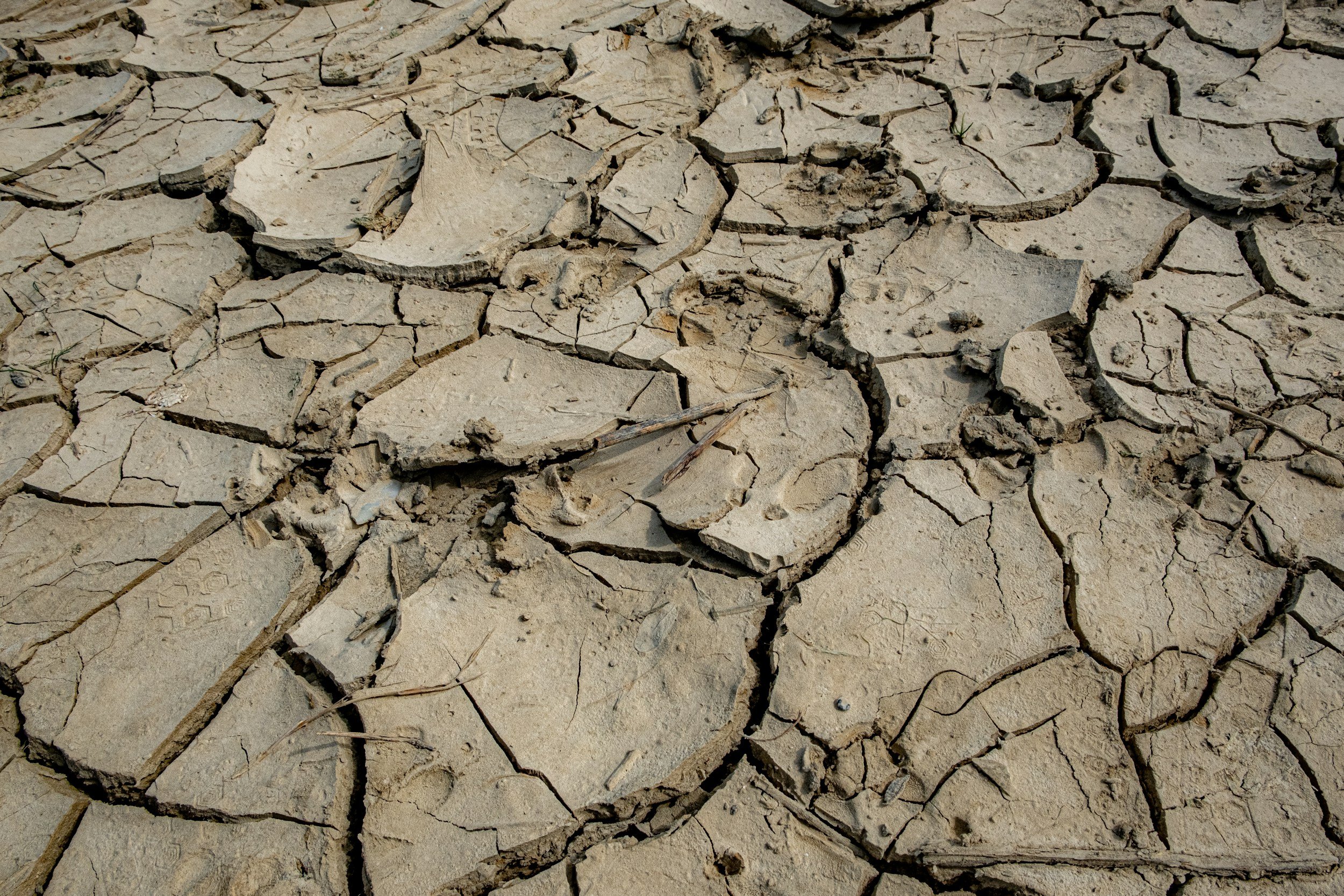
Nobody talks about vaginal dryness the way they should. It gets lumped in with menopause like it is something that only happens to women over 50 something you just quietly deal with and move on from. But the truth is that vaginal dryness affects women at every age, from their early twenties through midlife and beyond, and it is one of the most undertreated and underreported symptoms in women's health.
It affects how sex feels. It affects how you feel every single day walking, sitting, wearing certain clothes, exercising. It can make you feel disconnected from your own body. And because it is not something most women bring up at appointments, and not something most providers ask about, millions of women are silently uncomfortable when they absolutely do not have to be.
If you have noticed dryness, itching, irritation, or discomfort that does not seem connected to an infection, this post is for you. Let's talk about what is actually causing it, what it feels like, and what genuinely helps.
What Vaginal Dryness Actually Is
Vaginal dryness happens when the tissues lining the vaginal walls do not produce enough natural moisture to keep the area lubricated, flexible, and comfortable. The vaginal walls are normally kept moist by natural secretions that are regulated largely by estrogen. When estrogen levels drop for any reason those secretions decrease, and the vaginal tissues can become thin, dry, and easily irritated.
The medical term for this when it occurs alongside other tissue changes is genitourinary syndrome of menopause (GSM) but that name is misleading because it implies menopause is the only cause. Vaginal dryness from low estrogen and other causes happens to women at all stages of life, not just postmenopause.
What It Feels Like
Vaginal dryness does not always feel the same for every woman. Symptoms can include:
A dry, tight, or uncomfortable feeling inside the vagina or on the vulva.
Itching or burning that is not caused by an infection.
Irritation or rawness during or after sex.
Pain or burning with penetration even with arousal.
Spotting or light bleeding after sex from fragile tissue.
A feeling of pressure or heaviness in the pelvic area.
Burning or urgency with urination because the urethra is affected by estrogen too.
Recurrent UTI-like symptoms without an actual infection.
Many women describe it as feeling like everything is just slightly wrong not dramatically painful, but persistently uncomfortable in a way that affects confidence, intimacy, and daily quality of life.
Causes of Vaginal Dryness at Every Age
Hormonal Birth Control
This is one of the most common and least discussed causes of vaginal dryness in younger women. Combined oral contraceptives work by suppressing ovulation and altering hormone levels and for some women, that hormonal shift significantly reduces natural vaginal lubrication.
Low-dose pills, progestin-only pills, hormonal IUDs, the implant, and the shot can all contribute to dryness in different ways depending on how they affect individual hormone levels. If your dryness started around the same time you began a hormonal contraceptive, that timing is significant and worth discussing with your provider.
Postpartum and Breastfeeding
After delivery, estrogen drops dramatically. During breastfeeding, estrogen stays low because prolactin the hormone that drives milk production suppresses it. This means that postpartum women, especially those who are breastfeeding, commonly experience significant vaginal dryness that can make sex after baby extremely uncomfortable.
This is not talked about nearly enough in postpartum care conversations. It is hormonal, it is temporary, and it is very treatable.
Perimenopause
Perimenopause the transitional phase leading up to menopause that can begin in the late thirties or early forties involves fluctuating and gradually declining estrogen levels. Vaginal dryness is one of the earliest and most consistent symptoms of perimenopause, often appearing years before periods stop entirely.
Menopause and Postmenopause
After menopause, estrogen levels remain persistently low. Without estrogen support, vaginal tissues gradually become thinner, less elastic, and drier. Unlike hot flashes, which often improve over time, vaginal dryness from menopause tends to get worse without treatment.
Cancer Treatments
Chemotherapy, radiation to the pelvic area, and hormonal therapies for breast or ovarian cancer can all cause significant vaginal dryness by reducing estrogen levels or directly affecting vaginal tissue. This is a major quality of life issue for cancer survivors that deserves more attention and more open conversation with oncology and gynecology teams.
Antidepressants and Antihistamines
Certain medications directly reduce natural lubrication as a side effect. SSRIs and SNRIs the most commonly prescribed antidepressants are well known for affecting sexual function including lubrication. Antihistamines, which are used for allergies and sleep, work by drying out mucous membranes throughout the body including the vagina.
Stress and Anxiety
Chronic stress keeps the body in a sympathetic nervous system state fight or flight mode which suppresses the parasympathetic functions that support sexual arousal and natural lubrication. Even outside of sexual contexts, chronic stress and anxiety can contribute to dryness and vaginal tissue changes over time.
Sjögren's Syndrome and Autoimmune Conditions
Sjögren's syndrome is an autoimmune condition that attacks moisture-producing glands throughout the body, causing dry eyes, dry mouth, and vaginal dryness. Other autoimmune conditions can also affect vaginal tissue health. If dryness is severe and accompanied by dry eyes and dry mouth, mentioning this pattern to your provider is important.
How Vaginal Dryness Affects Sexual Health
Vaginal dryness is one of the leading causes of painful sex in women of all ages. Without adequate lubrication, friction during penetration causes burning, tearing, rawness, and sometimes light bleeding from fragile tissue.
Over time, this creates a painful cycle:
Sex hurts because of dryness.
Anticipation of pain reduces arousal.
Reduced arousal means even less natural lubrication.
The pain gets worse.
Desire decreases.
The relationship is affected.
Breaking this cycle requires addressing the dryness directly not pushing through the pain and not avoiding intimacy indefinitely.
What Actually Helps
Over-the-Counter Lubricants
For immediate relief during sex, a good lubricant makes a significant difference.
Water-based lubricants are safe with condoms and most intimate products. Look for ones without glycerin, fragrances, or warming agents, which can irritate already sensitive tissue.
Silicone-based lubricants last longer and are excellent for more significant dryness. They are not compatible with silicone toys but are safe with latex condoms.
Oil-based lubricants like coconut oil are popular but are not safe with latex condoms and can disrupt vaginal pH in some women.
Vaginal Moisturizers
Unlike lubricants, which are used during sex, vaginal moisturizers are used regularly — every 2 to 3 days — to restore and maintain moisture in the vaginal tissues over time. They are available over the counter and include products like Replens, K-Y Liquibeads, and hyaluronic acid-based options.
Regular use of a vaginal moisturizer can significantly improve baseline comfort and reduce the daily irritation that comes with persistent dryness.
Vaginal Estrogen
For women whose dryness is driven by low estrogen which is the majority of cases vaginal estrogen is one of the most effective treatments available. It is available as a cream, a ring, or a small vaginal tablet or suppository.
Unlike systemic hormone therapy, vaginal estrogen works locally with very minimal absorption into the bloodstream. It is generally considered safe for most women, including many breast cancer survivors, though that specific conversation should always happen with an oncologist.
Vaginal estrogen restores moisture, elasticity, and thickness to vaginal tissue, often dramatically improving comfort, sexual function, and urinary symptoms.
Ospemifene
For women who cannot or prefer not to use vaginal estrogen, ospemifene (Osphena) is an oral medication that acts on estrogen receptors in vaginal tissue and is FDA-approved for treating painful sex due to vaginal dryness from menopause.
Lifestyle Adjustments
Stay hydrated overall body hydration supports vaginal tissue moisture.
Avoid scented soaps, wipes, and products near the vulva, which worsen dryness and irritation.
Wear breathable cotton underwear.
Avoid prolonged sitting in damp clothing.
Discuss any medications you are taking with your provider if you suspect they are contributing.
When to See a Provider
See a provider about vaginal dryness if:
Dryness is affecting your daily comfort or quality of life.
Sex is painful and lubricants alone are not enough.
You have burning with urination or recurrent UTI-like symptoms.
You have light bleeding after sex.
Dryness is accompanied by significant itching, unusual discharge, or visible skin changes.
You are postpartum or breastfeeding and struggling with discomfort.
You are in perimenopause or menopause and want to discuss hormone options.
You deserve to be comfortable in your own body. Vaginal dryness is treatable at every age and every stage but treatment starts with talking about it.
“This article is based on current medical guidance and research from the following trusted sources:”
Resources & Sources
American College of Obstetricians and Gynecologists (ACOG) — Genitourinary Syndrome of Menopause:
acog.org
Mayo Clinic — Vaginal Dryness: Causes and Treatment:
mayoclinic.org
Cleveland Clinic — Vaginal Dryness: What You Should Know:
clevelandclinic.org
North American Menopause Society (NAMS) — Vaginal Dryness and GSM:
menopause.org
Office on Women's Health — Menopause Symptoms and Relief:
womenshealth.gov
National Institutes of Health (NIH) / PubMed — Vaginal atrophy and estrogen therapy research:
pubmed.ncbi.nlm.nih.gov
Have you dealt with vaginal dryness and felt like nobody was taking it seriously? Share in the comments. The more we talk about this openly, the easier it becomes for every woman to ask for the help she deserves.
Author
Becky Freeman is the founder of BVTalks® and Bee Vee Clean. She focuses on women’s intimate health, vaginal microbiome education, and creating practical, easy-to-understand content for everyday care.
Disclaimer: This post is for educational purposes only and is not a substitute for professional medical advice. Always consult your healthcare provider for diagnosis and treatment.
