

The IUD Experience: What to Expect
You have heard the horror stories. Someone's cousin passed out during insertion. Someone else bled for three months straight. Someone bled so little they forgot they had a period. The IUD has more rumors, myths, and conflicting personal testimonials attached to it than almost any other form of contraception and yet it remains one of the most effective, longest-lasting birth control options available.
The truth is somewhere in the middle of all those stories. The IUD experience is real, it is individual, and it deserves an honest, complete explanation not a sanitized version from a pamphlet and not a worst-case-scenario thread from a forum. This post covers everything: what an IUD is, the different types, what insertion actually feels like, what to expect in the weeks after, the side effects nobody warns you about, and when to call your provider.
What an IUD Is
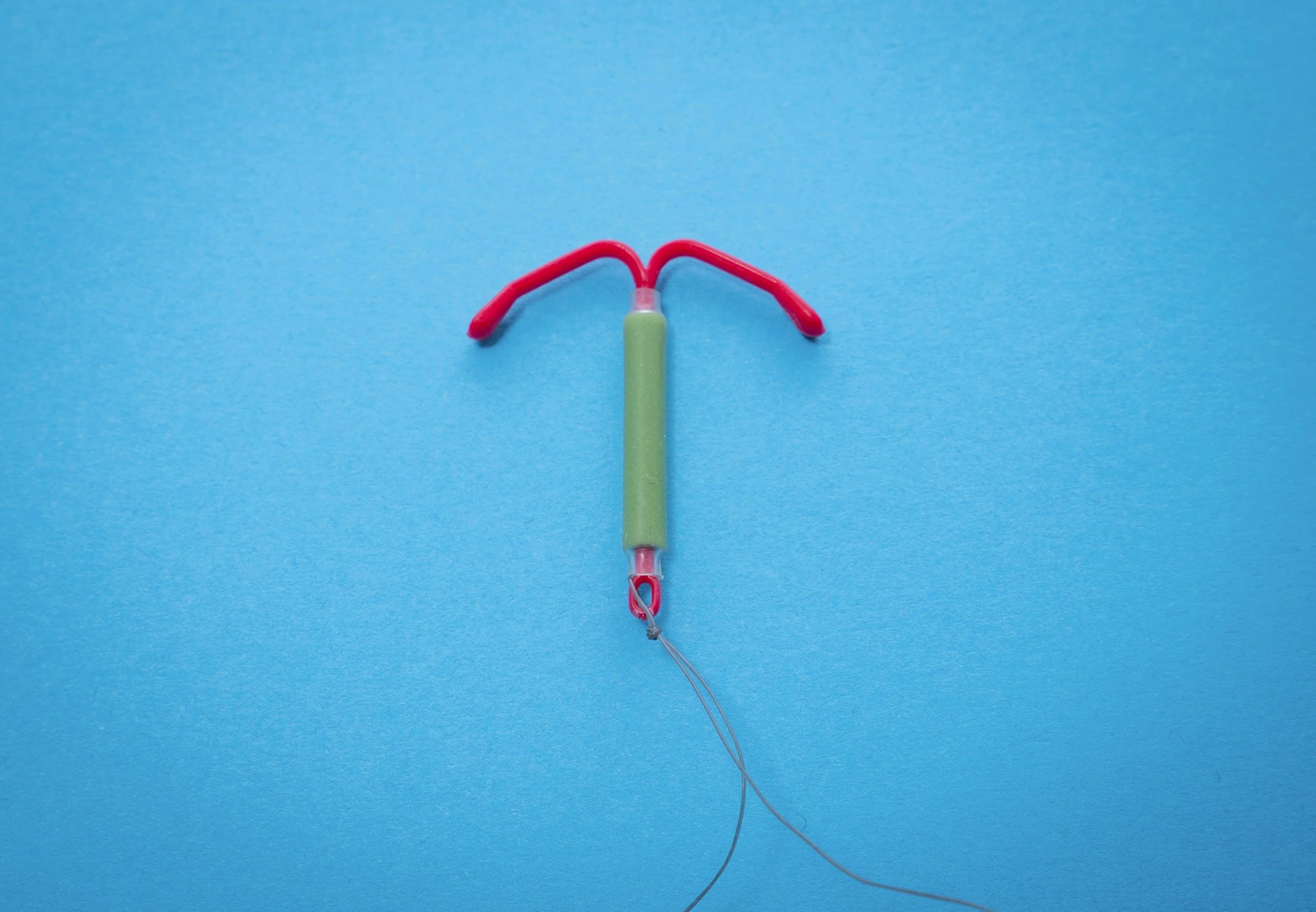
An IUD intrauterine device is a small, T-shaped device inserted into the uterus by a healthcare provider to prevent pregnancy. It is one of the most effective forms of reversible contraception available, with a failure rate of less than 1% more effective than the pill, the patch, the ring, or condoms used alone.
There are two main categories: hormonal IUDs and the copper IUD. They work differently, have different side effect profiles, and suit different people for different reasons.
The Two Types and How They Work
Hormonal IUDs
Hormonal IUDs release a small amount of levonorgestrel a synthetic progestin locally into the uterus. The brands available in the United States include Mirena, Kyleena, Liletta, and Skyla, which vary in hormone dose, size, and duration of effectiveness.
Hormonal IUDs work by:
Thickening cervical mucus so sperm cannot reach an egg.
Thinning the uterine lining.
In some cases, suppressing ovulation though this is not the primary mechanism and is more consistent with higher-dose options like Mirena.
Duration: 3 to 8 years depending on the brand.
The most significant and often most welcomed side effect of hormonal IUDs is a dramatic reduction in menstrual bleeding. Many women on Mirena stop having periods altogether. Others have very light spotting. For women with heavy, painful periods, fibroids, endometriosis, or adenomyosis, a hormonal IUD is often recommended as a therapeutic option not just contraception.
The Copper IUD
The copper IUD sold as Paragard in the United States contains no hormones. It works because copper is toxic to sperm, impairing sperm motility and preventing fertilization. It also affects the uterine lining in a way that makes implantation unlikely.
Duration: Up to 10 to 12 years the longest-lasting reversible contraceptive available.
The copper IUD is a strong choice for women who want highly effective hormone-free contraception, women who react poorly to hormonal methods, and women who want their natural cycle preserved. It can also be used as emergency contraception if inserted within 5 days of unprotected sex making it the most effective emergency contraceptive option available.
The trade-off: the copper IUD frequently increases period heaviness, duration, and cramping particularly in the first several months after insertion. For women who already have heavy periods, this is an important consideration.
What Insertion Actually Feels Like
This is the part everybody wants to know and nobody describes honestly enough.
Here is the honest answer: it varies significantly from person to person, and that variability is real and related to anatomy, cervical position, whether you have given birth vaginally, where you are in your cycle, and how much anxiety your nervous system brings to the experience.
What the procedure involves:
You lie on an exam table as you would for a pap smear.
A speculum is inserted to visualize the cervix.
The cervix is cleaned with an antiseptic solution.
A tenaculum a small clamp may be used to stabilize the cervix. This can cause a sharp pinch.
A thin measuring instrument is inserted through the cervical opening to measure the depth of the uterus this is often the most uncomfortable moment.
The IUD is inserted through a narrow tube passed through the cervical opening into the uterus, where the arms of the T open to hold it in place.
The insertion tube is removed, and the strings are trimmed to a length your provider determines appropriate.
The whole procedure takes approximately 5 minutes or less though it often feels longer in the moment.
Pain descriptions from women who have had it done range widely:
A strong menstrual cramp that passes quickly.
Intense pressure with a sharp cramping sensation during sounding and insertion.
Significant pain that required recovery time on the table.
Minimal discomfort less than expected.
Women who have not given birth vaginally, who have a narrow or stenotic cervix, or who have conditions like vaginismus tend to find insertion more difficult. Women who have given birth vaginally often report easier insertion.
Preparing for Insertion
Ask your provider about:
Taking ibuprofen 1-2 hours before 600-800mg may reduce cramping during and after.
Scheduling your insertion during your period the cervix is naturally slightly more open and the provider can confirm you are not pregnant.
Misoprostol a cervical softening medication sometimes prescribed beforehand for women with a tighter cervix. This is not standard practice everywhere but is worth asking about.
Having someone drive you home not always necessary, but a good idea if you tend toward vasovagal responses or significant pain sensitivity.
You are allowed to ask for a provider who places IUDs frequently and has experience with more challenging insertions. Skill and experience genuinely matter.
What to Expect After Insertion
The First 24-48 Hours
Most women experience cramping similar to period cramps ranging from mild to significant in the hours immediately following insertion. This is the uterus responding to having a foreign object placed inside it. Taking ibuprofen regularly for the first 24 hours (not just when pain peaks) is more effective than waiting.
Some women feel fine within a couple of hours. Some need to go home and rest for the remainder of the day. Both are normal.
Light spotting or bleeding is common in the first few days.
The First 1-3 Months
This is the adjustment period, and it is the phase most women are underprepared for:
With hormonal IUDs:
Irregular spotting and breakthrough bleeding is extremely common and can be frustrating many women spot on and off for 3 to 6 months before bleeding settles into the lighter, more predictable pattern the IUD is known for.
Hormonal side effects mood changes, acne, headaches, breast tenderness are possible in the first months as the body adjusts to localized progestin. These typically improve over time for most women.
Cramping that comes and goes intermittently.
With the copper IUD:
Heavier, longer, and more crampy periods are expected especially in the first 3-6 months.
Spotting between periods.
More intense menstrual pain than your pre-IUD baseline.
For most women, these changes are temporary and improve significantly after the 3-month mark. Knowing this in advance makes the adjustment period significantly easier to tolerate.
String Checking
After your period each month, it is recommended to check that the IUD strings are still in place by inserting a finger into the vagina and feeling for the two thin strings that hang through the cervical opening. If you cannot feel the strings, or if you feel something hard that is not usually there, contact your provider it can indicate the IUD has shifted.
Your partner may occasionally be able to feel the strings during sex. Strings can sometimes be trimmed shorter if this is consistently an issue.
Side Effects Nobody Warns You About
Hormonal IUD and Mood
Because levonorgestrel is a synthetic progestin not identical to the body's natural progesterone some women experience mood effects that their provider may not attribute to the IUD. Depression, anxiety, emotional flatness, and worsened PMS have been reported, though studies show mixed results and the systemic absorption from an IUD is much lower than from oral contraceptives.
If your mood significantly changed after IUD insertion and has not resolved, it deserves a direct conversation with your provider. You are not imagining it, and it is a valid reason to reconsider the method.
Ovarian Cysts
Hormonal IUDs particularly Kyleena and Skyla are associated with a higher rate of functional ovarian cysts. Most resolve on their own within a few months without treatment, but they can cause one-sided pelvic pain and may require monitoring.
Vasovagal Response During or After Insertion
Some women experience a vasovagal response during insertion a drop in blood pressure and heart rate triggered by pain or anxiety that causes dizziness, nausea, sweating, and sometimes fainting. This is more common than most people are warned about. It is not dangerous, but it is disorienting. Lying flat for 10-15 minutes after insertion, eating beforehand, and having support with you reduces the likelihood and helps you recover quickly if it happens.
IUD Expulsion
Approximately 2-10% of IUD users experience expulsion the IUD partially or fully coming out of the uterus, usually during a period. It is more common in the first year after insertion and in women who have not had children. Signs include feeling the IUD coming out, a change in string length, increased cramping, or unusual bleeding. If you suspect expulsion, use backup contraception and see your provider promptly.
Who Is a Good Candidate
IUDs are appropriate for most women, including:
Women who want long-term contraception without daily maintenance.
Women who have not had children contrary to older guidance, IUDs are appropriate and widely used in nulliparous women.
Teenagers and young women.
Women who want hormone-free contraception (copper IUD).
Women with heavy or painful periods seeking therapeutic relief (hormonal IUD).
Women who cannot use estrogen-containing methods.
Women who want emergency contraception (copper IUD within 5 days).
IUDs are generally not recommended for women with certain uterine abnormalities, unexplained vaginal bleeding, active pelvic infections, or certain other conditions your provider will screen for these before placement.
When to Call Your Provider
Contact your provider promptly if you experience:
Fever or chills after insertion can indicate infection.
Severe or worsening pelvic pain that is not improving after the first few days.
Pain or bleeding during sex.
You cannot feel the strings or the strings feel significantly longer or shorter than usual.
You think the IUD has come out partially or completely.
Positive pregnancy test pregnancy with an IUD in place requires immediate evaluation.
Significant mood changes you believe are related to the IUD.
Signs of a serious rare complication called uterine perforation in which the IUD punctures the uterine wall during insertion include severe pain during or immediately after insertion and pain that continues to worsen rather than improve. This occurs in approximately 1 in 1,000 insertions.
Removal and Fertility Return
IUD removal is typically much simpler and less painful than insertion. Your provider grasps the strings and gently pulls the IUD out most women feel a brief cramp and it is over within seconds.
Fertility returns quickly after removal often within the first menstrual cycle. There is no evidence that IUD use reduces long-term fertility, and women who want to conceive after removal can typically do so without any additional delay beyond what is normal for their age and health.
“This article is based on current medical guidance and research from the following trusted sources:”
Resources & Sources
Planned Parenthood — IUD: Everything You Need to Know:
plannedparenthood.org
American College of Obstetricians and Gynecologists (ACOG) — Intrauterine Devices:
acog.org
Mayo Clinic — Intrauterine Device (IUD): About This Contraception:
mayoclinic.org
Cleveland Clinic — IUD (Intrauterine Device): Types and Side Effects:
clevelandclinic.org
National Institutes of Health (NIH) / PubMed — IUD safety, efficacy, and side effect research:
pubmed.ncbi.nlm.nih.gov
Bedsider — IUD Method Explorer:
bedsider.org
Did you get an IUD and wish someone had told you what to really expect? Drop your experience in the comments the good, the bad, and the "why didn't my doctor tell me that." Your story might be exactly what someone else needs to hear before their appointment.
Author
Becky Freeman is the founder of BVTalks® and Bee Vee Clean. She focuses on women’s intimate health, vaginal microbiome education, and creating practical, easy-to-understand content for everyday care.
Disclaimer: This post is for educational purposes only and is not a substitute for professional medical advice. Always consult your healthcare provider for diagnosis and treatment.
