

Heavy Periods: When Is It Too Much Blood?
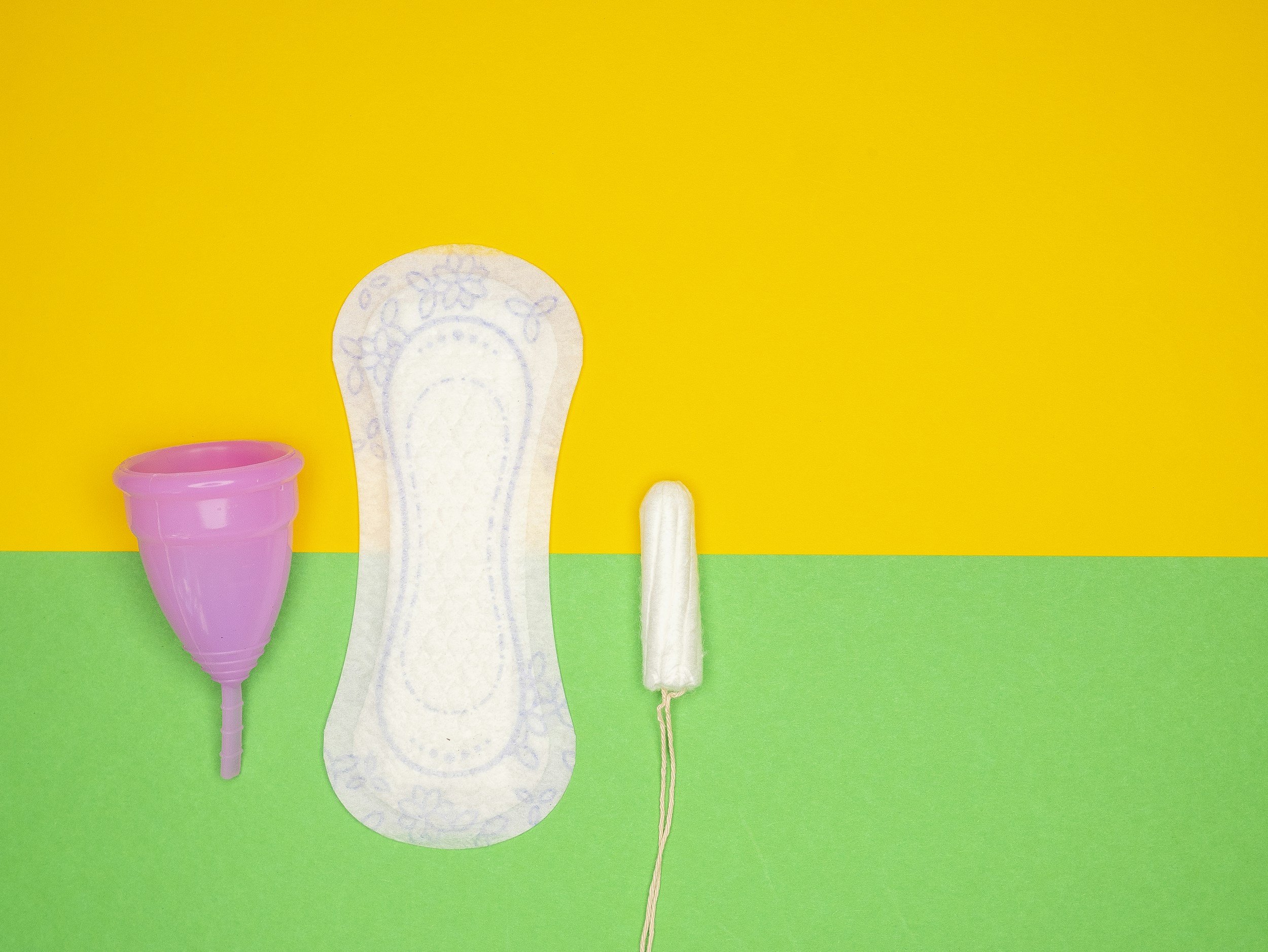
You go through a super tampon in an hour. You set alarms in the middle of the night, so you don't bleed through your sheets. You've ruined more underwear, pants, and bedding than you can count. You cancel plans, skip workouts, and basically put your life on hold for several days every single month.
And yet when you mention it to your doctor, you're told it's "probably normal" or handed a birth control prescription without much explanation.
Here is what nobody tells you clearly enough: heavy periods are not something you just have to live with. There is a medical name for it, there are identifiable causes, and there are real treatment options. The first step is understanding what "too much blood" actually means because most women have no idea where the line is.
What Is a Normal Period, Really?
Before we talk about heavy periods, it helps to establish what a normal menstrual flow actually looks like because most of us were never taught this properly.
A typical menstrual cycle:
Lasts 21 to 35 days from the first day of one period to the first day of the next
Produces a total of 30 to 80 milliliters (ml) of blood over the entire period that's roughly 2 to 6 tablespoons
Lasts 2 to 7 days of actual bleeding
Is heaviest on days 1–2 and tapers off
To put that in perspective: a fully soaked regular tampon or pad holds about 5 ml of blood. A fully soaked super tampon or pad holds about 10 ml. So a normal period might soak through 6 to 16 regular products over its entire duration not per day.
When your flow consistently exceeds 80 ml per cycle, that is clinically defined as heavy menstrual bleeding (HMB), also known by its medical term menorrhagia.
How to Know If Your Period Is Actually Heavy
Since most of us don't measure our blood loss in milliliters, here are the real-world signs that your period crosses into clinically heavy territory:
Soaking through a pad or tampon every hour or less for several consecutive hours
Passing blood clots larger than a quarter occasional small clots are normal, but large or frequent clots signal heavy flow
Bleeding for longer than 7 days
Needing to use double protection a tampon AND a pad simultaneously to prevent leaking
Waking up at night to change protection
Bleeding through clothing or bedding regularly
Feeling exhausted, dizzy, or short of breath during your period these can be signs of iron-deficiency anemia caused by blood loss
Restricting daily activities avoiding exercise, social plans, or work because of flow intensity
If three or more of these describe your experience, your period is medically heavy and deserves proper evaluation not dismissal.
Why Heavy Periods Matter Beyond Inconvenience
Heavy menstrual bleeding is not just uncomfortable it has real physical consequences that accumulate over time:
Iron-Deficiency Anemia
This is the most common complication of heavy periods, and it is far more widespread than most women realize. When you lose more blood than your body can replenish between cycles, your iron stores deplete. Symptoms include chronic fatigue, weakness, brain fog, pale skin, brittle nails, shortness of breath, and heart palpitations. Many women attribute these symptoms to stress or being "run down" without realizing their period is the root cause.
Reduced Quality of Life
Research consistently shows that heavy menstrual bleeding significantly impacts work productivity, social participation, physical activity, and mental health. Studies have found that women with heavy periods report higher rates of anxiety, depression, and social isolation not because periods cause these conditions directly, but because chronic blood loss, pain, and unpredictability take a real toll.
Underlying Conditions Going Undiagnosed
Perhaps most importantly, heavy periods are frequently a symptom of an underlying condition that needs treatment. Bleeding through your clothes every month is not just "how your body works" it is often your body signaling that something needs attention.
Common Causes of Heavy Periods
Heavy menstrual bleeding has many possible causes, which is why a proper medical evaluation matters. The most common include:
Uterine Fibroids
Fibroids are noncancerous growths in or around the uterus. They are extremely common affecting up to 70–80% of women by age 50 and are one of the leading causes of heavy periods. Fibroids that grow inside the uterine cavity (submucosal fibroids) are particularly associated with heavy bleeding and clotting.
Adenomyosis
Adenomyosis occurs when the tissue that normally lines the uterus (the endometrium) grows into the muscular wall of the uterus itself. This causes the uterus to become enlarged, boggy, and prone to very heavy, painful periods. It is frequently confused with endometriosis but is a distinct condition. Adenomyosis is most common in women in their 40s but can affect younger women too.
Endometriosis
Endometriosis where endometrial-like tissue grows outside the uterus can cause heavy, painful periods along with chronic pelvic pain, painful sex, and fertility challenges. It affects an estimated 1 in 10 women of reproductive age and takes an average of 7–10 years to diagnose.
Polycystic Ovary Syndrome (PCOS)
PCOS can cause both missed periods AND heavy periods. When women with PCOS go long stretches without ovulating, the uterine lining builds up over time. When a period does occur, it can be extremely heavy as the thickened lining sheds.
Uterine Polyps
Polyps are small, soft growths attached to the inner wall of the uterus. They are usually benign but can cause heavy or irregular bleeding and should always be evaluated.
Thyroid Disorders
Both hypothyroidism (underactive thyroid) and hyperthyroidism (overactive thyroid) can disrupt menstrual cycles and contribute to heavy bleeding. Thyroid problems are significantly more common in women than men and are frequently underdiagnosed.
Bleeding Disorders
Von Willebrand disease a clotting disorder is found in a surprisingly high percentage of women with heavy periods. Research suggests it may be present in up to 13% of women with heavy menstrual bleeding who have no other identified cause. Many women go their entire lives without knowing they have it.
Hormonal Imbalance
An imbalance between estrogen and progesterone particularly estrogen dominance can cause the uterine lining to build up thicker than normal, leading to heavier bleeding when it sheds. This is common in perimenopause, after stopping hormonal birth control, and in women with PCOS.
IUDs
Copper (non-hormonal) IUDs are associated with heavier periods, particularly in the first 3–6 months after insertion. This is a well-documented side effect and not a sign of a problem with the device itself but it can push an already heavy period into a very heavy one.
Certain Medications
Blood thinners (anticoagulants), aspirin, and some anti-inflammatory medications can increase menstrual blood loss.
Tracking Your Flow: What to Tell Your Doctor
When you go to your provider about heavy periods, the more specific information you can bring, the better. Start tracking:
How many products you use per day and what type (regular, super, overnight)
How often you need to change if you're changing every hour, note that
Clot size and frequency are they quarter-sized or larger?
Duration how many days does your period last?
Associated symptoms cramping severity, fatigue, dizziness, pain with sex, pelvic pressure
Cycle regularity how many days between periods?
Apps like Clue, Flo, or even a simple notes app can make this tracking easy (if you choose to use them). This data helps your provider identify patterns and order the right tests.
What to Expect at Your Appointment
A proper evaluation for heavy menstrual bleeding should include:
Complete blood count (CBC) to check for anemia and platelet levels
Iron studies ferritin, serum iron, and transferrin saturation to assess iron stores
Thyroid function tests (TSH, T3, T4)
Hormone panel estrogen, progesterone, FSH, LH especially if cycle irregularity is present
Von Willebrand factor testing often overlooked but important, especially if you've had heavy periods since your very first cycle
Pelvic ultrasound to check for fibroids, polyps, adenomyosis, and ovarian cysts
Endometrial biopsy may be recommended for women over 35 or those with risk factors, to rule out uterine cancer or precancerous changes
Do not leave an appointment without a clear explanation of what testing will be done and what the next steps are. If your concerns are dismissed without investigation, it is completely appropriate to seek a second opinion.
Treatment Options for Heavy Periods
Treatment depends entirely on the underlying cause, but options commonly include:
Hormonal Treatments
Hormonal IUD (Mirena) one of the most effective treatments for heavy periods; reduces bleeding by up to 90% in many women
Combined oral contraceptive pill regulates and lightens periods
Progesterone-only pill or injection can reduce or stop periods entirely
Tranexamic acid a non-hormonal medication taken during your period that reduces bleeding by helping blood clot more effectively; does not affect hormones
Non-Hormonal Medical Treatments
NSAIDs (like ibuprofen) taken during your period, these reduce both bleeding and cramping
Iron supplementation essential if anemia is confirmed; oral iron or, in severe cases, IV iron infusion
Surgical Options
Endometrial ablation a procedure that destroys the uterine lining to reduce or eliminate periods; appropriate for women who do not want future pregnancies
Myomectomy surgical removal of fibroids while preserving the uterus
Hysterectomy Surgical removal of the uterus; a permanent solution considered when other treatments have failed and quality of life is severely impacted
When to Seek Immediate Care
Go to urgent care or an emergency room if you experience:
Soaking through more than one pad or tampon per hour for two or more consecutive hours
Heavy bleeding accompanied by severe dizziness, fainting, or rapid heartbeat
Heavy bleeding with fever or severe pelvic pain
Signs of severe anemia extreme pallor, difficulty breathing at rest, chest pain
Living With Heavy Periods While You Seek Answers
While you work through diagnosis and treatment, these practical steps can help:
Start iron supplementation even before anemia is confirmed, ask your doctor if supplementing with gentle iron (like ferrous bisglycinate) is appropriate given your blood loss
Use high-absorbency period products period underwear brands like Thinx or Knix, combined with a tampon or cup, can provide real security on heavy days
Wear dark colors on heavy days a small thing, but it reduces anxiety about leaking
Stay hydrated heavy bleeding increases your fluid loss; staying hydrated supports energy and circulation
Rest when your body asks heavy periods are physically taxing; honoring that is not weakness
Frequently Asked Questions
Are large blood clots during periods normal?
Small clots (smaller than a quarter) are common and generally not concerning. Clots larger than a quarter, or frequent clotting throughout your period, are a sign of heavy flow that warrants evaluation.
Can stress cause heavy periods?
Yes. Chronic stress disrupts the hormonal signals between the brain and ovaries, which can cause irregular ovulation and, in turn, heavier or more irregular periods. Stress is rarely the sole cause, however heavy periods should still be medically evaluated.
Is it normal for periods to get heavier as you get older?
Periods can change throughout life. Some women notice heavier periods in their late 30s and 40s as perimenopause approaches and progesterone levels fluctuate. However, a sudden significant increase in flow at any age should be evaluated it is not something to simply accept as aging.
Can diet affect period heaviness?
Yes. Anti-inflammatory diets rich in omega-3 fatty acids, leafy greens, and low in refined sugar and processed foods may help reduce prostaglandin levels (which drive cramping and heavy flow). Magnesium and vitamin B6 have also been studied for their role in hormonal balance and period regulation.
“This article is based on current medical guidance and research from the following trusted sources:”
Resources & Sources
American College of Obstetricians and Gynecologists (ACOG) Heavy Menstrual Bleeding: acog.org
Centers for Disease Control and Prevention (CDC) Heavy Menstrual Bleeding: cdc.gov
National Heart, Lung, and Blood Institute (NHLBI) Von Willebrand Disease in Women: nhlbi.nih.gov
National Institutes of Health (NIH) PubMed Menorrhagia Research: pubmed.ncbi.nlm.nih.gov
Mayo Clinic Menorrhagia (Heavy Menstrual Bleeding): mayoclinic.org
Munro, M.G., et al. (2018). FIGO classification system for causes of abnormal uterine bleeding. International Journal of Gynecology & Obstetrics.
Have you been told your heavy periods are "just normal"? You deserve answers not just acceptance. Share your experience in the comments or email. This community sees you, and your story might help another woman finally advocate for herself.
Author
Becky Freeman is the founder of BVTalks® and Bee Vee Clean. She focuses on women’s intimate health, vaginal microbiome education, and creating practical, easy-to-understand content for everyday care.
Disclaimer: This post is for educational purposes only and is not a substitute for professional medical advice. Always consult your healthcare provider for diagnosis and treatment.
