

Why Your Vaginal Discharge Changes During Your Cycle And What Each Type Means
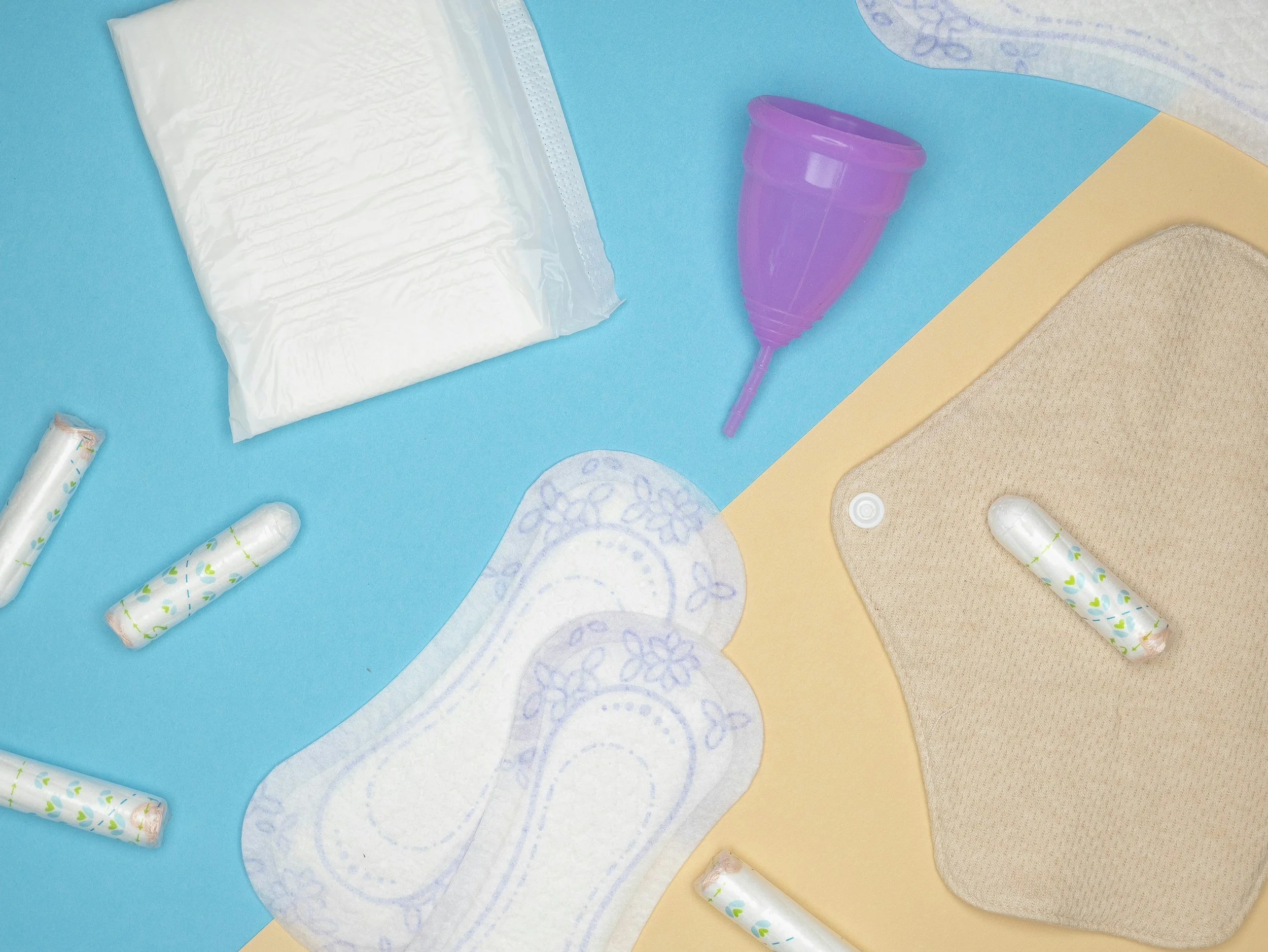
If you have ever noticed that your vaginal discharge looks completely different from one week to the next, you are not imagining things, and nothing is wrong. In fact, those shifts in color, texture, and amount are one of the most reliable signals your body produces, quietly mapping out exactly where you are in your menstrual cycle. Discharge is not just a random occurrence it is a hormone-driven communication system, and learning to read it can help you understand your fertility, anticipate your period, and spot genuine warning signs when something is off. Helloclue
What Discharge Actually Is
Vaginal discharge is a combination of fluid produced by glands in the cervix and vaginal walls, shed cells from the vaginal lining, and the naturally occurring bacteria and microorganisms that make up the vaginal microbiome. It serves several important functions: keeping vaginal tissue moist and healthy, maintaining the acidic pH that protects against infection, and crucially changing its properties throughout the month to either encourage or discourage sperm survival depending on where you are in your cycle. Healthline
The average person with a uterus produces between one and four milliliters of vaginal discharge per day, though this varies widely and changes significantly across the menstrual cycle. Small amounts on underwear are completely normal. Discharge should not have a strong, foul, or fishy odor under normal circumstances that kind of odor signals an infection rather than a normal fluctuation. nwwomens
Phase 1: During Your Period (Days 1–5)
During menstruation, the shedding of the uterine lining dominates everything, and traditional discharge becomes difficult to distinguish from menstrual blood. Most people do not notice typical discharge during this phase because blood covers whatever cervical mucus is present. At the very end of the period, you may notice brown or dark discharge this is simply older blood that is taking a little longer to exit the body and is completely normal. The brown color comes from oxidation of the blood, not infection or injury. Medicalnewstoday
Phase 2: After Your Period — The Dry Days (Days 4–6)
Immediately after your period ends, many people experience what is called a "dry phase" a few days where very little to no noticeable discharge is present. Estrogen is at its lowest at this point in the cycle, so the cervical glands are producing minimal mucus. Some people notice a very small amount of sticky, whitish, or yellowish discharge that feels almost tacky or paste-like to the touch. This type of mucus acts as a barrier: its thick consistency and slightly acidic pH are designed to prevent sperm and bacteria from entering the cervix during a time when conception is not yet possible. Clevelandclinic
Phase 3: Pre-Ovulation and the Follicular Phase (Days 7–13)
As estrogen begins to rise in preparation for ovulation, discharge gradually transforms from barely-there to increasingly present and creamy. During this phase, discharge typically looks white, pale yellow, or off-white, with a lotion-like or yogurt-like texture. It feels wet and slightly slippery but not as stretchy or abundant as it will become at peak fertility. University of North Carolina researchers tracking cervical mucus in fertility studies describe this creamy phase as the body's "warming up" period estrogen is climbing, the cervix is beginning to open slightly, and the environment is shifting from hostile to increasingly sperm-friendly. Med.unk
his is the phase where many people first become actively aware of their discharge, especially if it leaves a noticeable mark on underwear. That is perfectly normal and simply reflects increasing cervical gland activity as ovulation approaches. mnwomens
Phase 4: Ovulation Peak Fertility (Days 14–16)
This is the most dramatic and recognizable phase of the cycle for discharge. As estrogen surges to its highest point and the luteinizing hormone (LH) spike triggers the release of an egg, cervical mucus transforms completely. It becomes clear, stretchy, slippery, and abundant so similar to raw egg whites that fertility experts actually call it "egg white cervical mucus" or EWCM. You can stretch it between your thumb and forefinger for an inch or more without it breaking, and it feels distinctly wet and lubricated at the vaginal opening. healthline
This type of discharge serves a very specific biological purpose: its slippery consistency allows sperm to swim through the cervix efficiently, its slightly alkaline pH neutralizes the normally acidic vaginal environment to protect sperm from dying, and its stretchy texture actually guides sperm in the right direction toward the egg. If you are trying to conceive, the presence of egg white mucus is one of the most reliable signs that your fertile window is open and that having sex in the next 24–48 hours gives you the highest chance of conception. clevelandclinic
Some people also notice light pink spotting or a mild one-sided cramping called mittelschmerz around ovulation, as the follicle ruptures and releases the egg. This is normal and typically lasts only a few hours. medicalnewstoday
Phase 5: Post-Ovulation The Luteal Phase (Days 17–25)
Once ovulation is complete, progesterone takes over as the dominant hormone and discharge shifts again this time back toward thick, creamy, or sticky. The cervix closes, cervical mucus thickens significantly, and the overall amount of discharge decreases. This progesterone-driven mucus creates what is sometimes called the "progesterone plug" a thick barrier designed to prevent any further sperm from entering the uterus now that the egg has either been fertilized or is no longer viable. clevelandclinic
During this phase, discharge may appear white or slightly yellowish, with a pasty or cottage-cheese-like texture that is distinctly different from the slippery egg white mucus of ovulation. Some people describe feeling noticeably drier or less aware of discharge during the luteal phase compared to ovulation week. This is normal and expected. mwwomens
If implantation occurs meaning a fertilized egg attaches to the uterine wall some people experience a small amount of light pink or brown spotting around days 20–24, often called implantation bleeding. This is lighter, shorter, and earlier than a typical period. medicalnewstoday
Phase 6: Pre-Menstrual Phase (Days 26–28)
In the days just before the period begins, discharge may change again. Some people notice an increase in volume, with discharge becoming thicker or slightly yellow-tinged. Others notice very little change or a return to almost-dry days before bleeding begins. As progesterone drops in the absence of pregnancy, small amounts of brownish spotting can appear as the uterine lining begins to break down this is the precursor to menstrual flow and is completely normal. vinmec
What Abnormal Discharge Looks and Smells Like
Now that you know what normal discharge looks like across the cycle, it becomes much easier to identify when something is genuinely off. Discharge that warrants attention includes anything that is gray, green, or strongly yellow in color, discharge with a fishy or foul odor that persists beyond your period, discharge that is thick and cottage-cheese-like with itching and burning (yeast infection), discharge that is frothy or foamy (possible trichomoniasis), and any bleeding that occurs outside your expected period window. helloclue
It is also worth noting that several factors can temporarily alter normal discharge without indicating infection. Sexual arousal increases vaginal fluid production significantly. Hormonal birth control particularly combined pills often reduces discharge overall because synthetic hormones suppress ovulation and the cervical mucus changes that come with it. Pregnancy dramatically increases discharge from the first trimester onward as hormone levels rise and the cervix produces more fluid to protect the uterus. healthline
Tracking Your Discharge for Fertility and Health
Tracking your cervical mucus is the foundation of several natural family planning methods and fertility awareness-based contraceptive approaches, most notably the Billings Ovulation Method and the Creighton Model. Research from the University of North Carolina's Time to Conceive study found that couples who tracked cervical mucus and timed intercourse accordingly significantly improved their conception rates compared to those who did not track. You do not need any special tools simply checking discharge on toilet paper or with clean fingers each day and noting its consistency, color, and amount in a journal or app gives you reliable data over time. med.unc
Understanding your discharge pattern can also reveal other important information. Cycles with no clear egg white phase may suggest anovulation (cycles where ovulation does not occur). Persistent brown spotting before periods can suggest low progesterone in the luteal phase. And a consistent pattern of unusual odor or color across multiple cycles is a clear signal to schedule a visit with your gynecologist for a full evaluation. helloclue
Your discharge is not an embarrassing inconvenience it is your body's most honest daily health report. Learning to read it takes a few months of observation, but once you do, you will never look at your underwear the same way again.
“This article is based on current medical guidance and research from the following trusted sources:”
Resources and Sources
https://helloclue.com/articles/cycle-a-z/wet-sticky-what-your-discharge-is-telling-you
https://www.healthline.com/health/womens-health/cervical-mucus
https://www.nwwomens.com/2025/07/15/vaginal-discharge-throughout-the-menstrual-cycle/
https://www.medicalnewstoday.com/articles/323503
https://my.clevelandclinic.org/health/body/21957-cervical-mucus
https://www.nwwomens.com/2025/07/15/vaginal-discharge-throughout-the-menstrual-cycle/
Author
Becky Freeman is the founder of BVTalks® and Bee Vee Clean. She focuses on women’s intimate health, vaginal microbiome education, and creating practical, easy-to-understand content for everyday care.
Medical Disclaimer
This content is for educational purposes only and is not intended to diagnose, treat, cure, or prevent any condition. It should not be used as a substitute for professional medical advice, diagnosis, or treatment. Always consult a licensed healthcare provider if you have questions about your health or symptoms.
