
Vestibulodynia is chronic pain or burning right at the entrance of the vagina
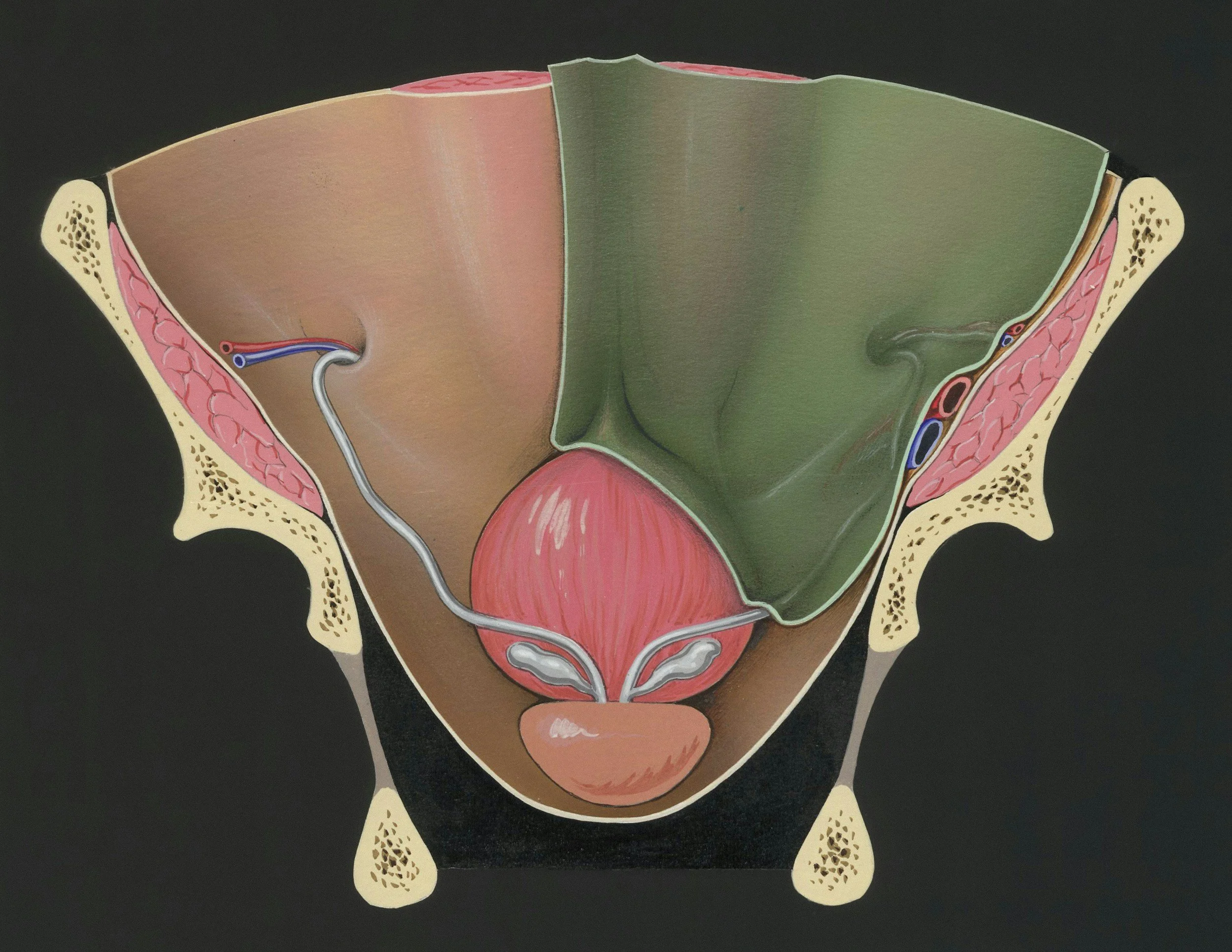
Vestibulodynia (also called provoked vulvodynia or vulvar vestibulitis) causes burning, stinging, or raw pain at the vaginal entrance (vestibule) the area just inside the vaginal opening. Pain is typically triggered by pressure: sex, tampons, tight clothing, or even a cotton swab touch during exams.
It affects 8–15% of women at some point, often starting suddenly and lasting months/years if untreated. Many mistake it for recurrent yeast/BV, but swabs come back normal. This guide covers symptoms, causes, diagnosis, treatments, and vaginal health ties for BVTalks readers.
What Vestibulodynia Feels Like
Primary symptom: Severe pain at vaginal vestibule (entry area between inner/outer labia). Described as:
Burning/stinging (most common).
Raw/tearing sensation.
Knife‑like/sharp with pressure.
Pain lasts 3+ months (chronic definition).
Provoked (90% cases): Pain only with touch/pressure:
Intercourse (dyspareunia).
Tampons/speculums.
Cycling/biking.
Cotton swab test (diagnostic).
Spontaneous (rare): Constant burning even at rest.
No visible changes vestibule looks normal despite agony.
Types of Vestibulodynia
Primary: Never pain‑free (congenital nerve density).
Secondary: Developed after trauma/infection.
Provoked: Touch‑triggered (most common).
Causes & Risk Factors
Multifactorial no single cause:
Nerve Issues (Most Common)
Neuroproliferation: Too many pudendal nerve endings in vestibule (hypersensitive).
Nerve injury: Post‑infection, episiotomy, childbirth.
Pelvic Floor Dysfunction
Hypertonic muscles: Tight pelvic floor refers pain to vestibule.
70–90% vestibulodynia patients have pelvic floor involvement.
Hormonal
Low estrogen: Perimenopause, birth control, breastfeeding thins vestibule.
GSM (genitourinary syndrome): Thinner tissue = more pain.
Inflammation/Genetics
Chronic inflammation from past yeast/BV/STIs.
Genetic sensitivity to pain signals.
BV tie‑in: Recurrent infections irritate nerves, triggering vestibulodynia.
Diagnosis: The Cotton Swab Test
Key exam: Clinician gently touches 9 vestibule points with cotton swab. Pain at 3+ sites = vestibulodynia.
Rule outs:
Swabs: BV, yeast, STIs (often normal).
Pelvic floor assessment.
Hormone levels (if dryness).
Self‑test caution: Q‑tip touch reproduces pain? Likely provoked vestibulodynia but clinician confirms.
Treatment Ladder (Step‑by‑Step)
Multimodal 80% improve with combination approach.
Tier 1: Lifestyle (Start Here)
Cotton underwear, loose clothes.
Avoid irritants: Scented products, tight jeans.
Lidocaine ointment pre‑sex/tampon (5–10 min).
Tier 2: Pelvic Floor Therapy (Game‑Changer)
80–90% improvement with PT.
Internal release: Relaxes hypertonic levator ani.
Biofeedback, dilators, stretches.
6–12 sessions typical.
Tier 3: Medications
Topical steroids (reduce inflammation).
Estrogen cream (if hormonal).
Nerve meds: Amitriptyline, gabapentin (low‑dose).
Tier 4: Advanced
Cognitive behavioral therapy (pain processing).
Vestibulectomy (surgery, 80–90% success for provoked).
BV management: Treat co‑existing infections; PT helps chronic cases.
Prognosis & Self‑Care
70–90% improve with multimodal treatment.
Chronic but manageable not life sentence.
Daily habits:
Pelvic floor breathing: Diaphragmatic (reduces tension).
Vulvar hygiene: Water rinse, pat dry.
Lube for sex (reduces friction).
Frequently Asked Questions
Q: Vestibulodynia = infection?
No nerve/muscle issue. Normal swabs common.
Q: Can BV cause it?
Yes recurrent infections irritate nerves.
Q: Perimenopause related?
Yes estrogen drop thins vestibule.
Q: Surgery last resort?
Yes PT/meds first. Vestibulectomy 85% success if refractory.
“This article is based on current medical guidance and research from the following trusted sources:”
References:
clevelandclinic Vestibulodynia: Causes, Symptoms & Treatment
theoriginway Vestibulodynia: Symptoms, Causes & Treatment for Painful Sex
dernetmn Vestibulodynia (localised provoked vulvodynia, vulvar vestibulitis)
Evvy Vestibulodynia: Causes of Vulvar Pain & How to Find Relief | Evvy
prosayla Prosayla | Hormonally Mediated Vestibulodynia
toplinemd What Is Vestibulodynia | Andrew Krinsky, MD, FACOG
About the Author
Becky Freeman is the founder of BVTalks® and Bee Vee Clean. She focuses on women’s intimate health, vaginal microbiome education, and creating practical, easy-to-understand content for everyday care.
Medical Disclaimer
This content is for educational purposes only and is not intended to diagnose, treat, cure, or prevent any condition. It should not be used as a substitute for professional medical advice, diagnosis, or treatment. Always consult a licensed healthcare provider if you have questions about your health or symptoms.
