

If you have ever grabbed a hand mirror, taken a closer look down there, and spotted a cluster of tiny, soft, finger-like bumps along the inside of your labia, there is a very good chance your stomach dropped. Your brain probably went straight to one word: warts. Then came the spiral. Where did I get this? Who gave it to me? Do I have HPV? Do I need to tell someone? Is something seriously wrong with me?
So let us set the record straight right away: in many cases, those little bumps are something called vestibular papillomatosis, and it is not an infection, not a sexually transmitted disease, and not a sign that anything is wrong. It is a normal variation in how vulvar skin can look. Researchers describe it as a normal anatomic variant of the vulva, the female version of the pearly penile papules some men have. It is not contagious, it is not caused by HPV, it does not turn into cancer, and in most cases it needs no treatment at all.
The tricky part is that vestibular papillomatosis and genital warts can look similar at first glance, which is exactly why so many women panic and why some get misdiagnosed. Understanding what these bumps actually are, and how a clinician tells them apart from warts, can turn a scary mirror moment into a big sigh of relief.
What Is Vestibular Papillomatosis?
Vestibular papillomatosis (often shortened to VP, and sometimes called vulvar vestibular papillomatosis, vulvar papillae, micropapillomatosis labialis, or pseudocondylomata) is the presence of small, smooth, finger-like or rounded projections on the inner surface of the labia minora and in the vulvar vestibule.
Quick anatomy refresher, because nobody taught most of us this in school. The vulva is everything on the outside: the outer lips (labia majora), the inner lips (labia minora), the clitoris, and the openings of the urethra and vagina. The vestibule is the smooth area inside the inner lips that surrounds the vaginal opening and the urethral opening. It is moist mucosal tissue, more like the inside of your mouth than the skin on your arm.
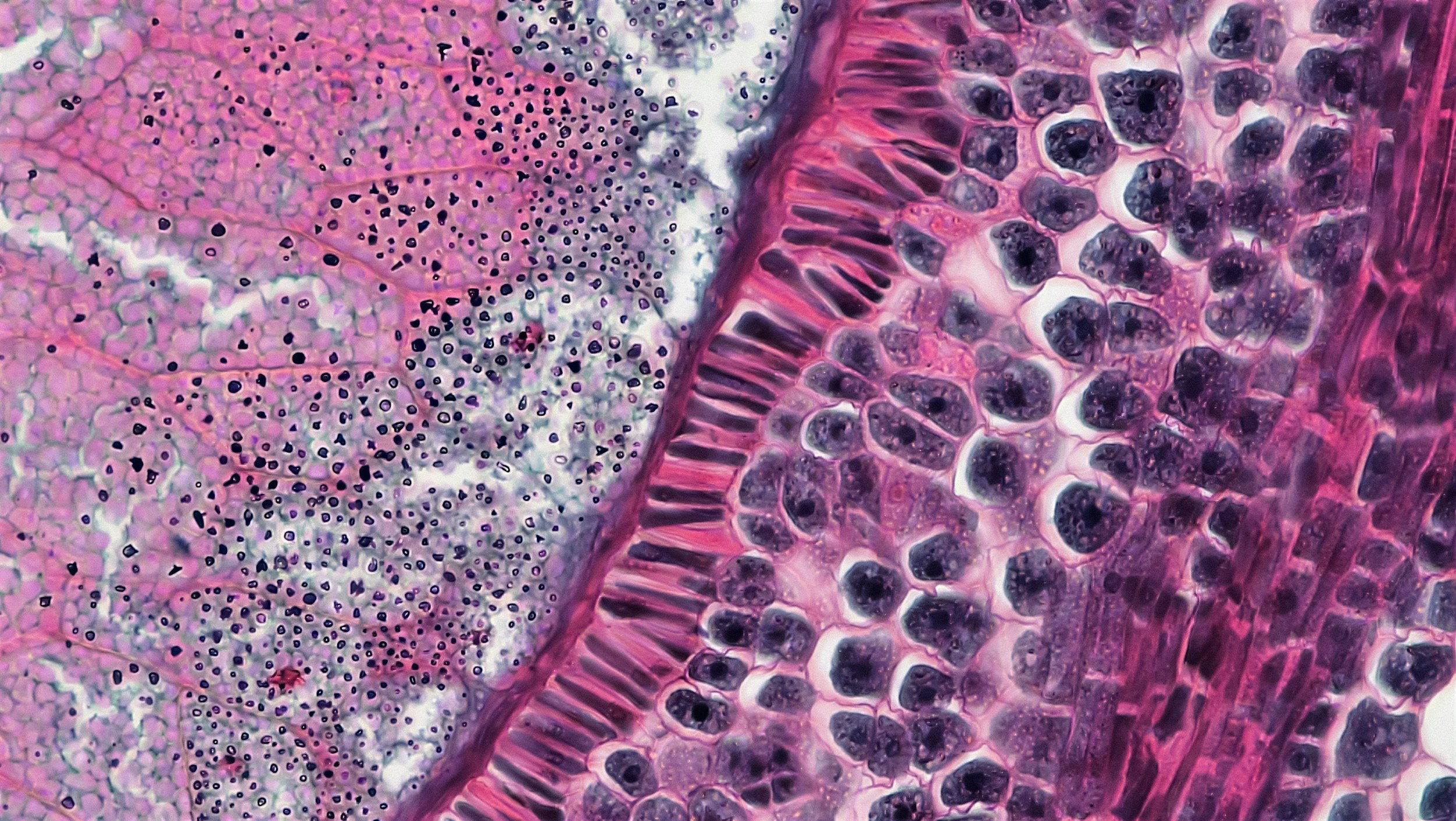
In vestibular papillomatosis, that tissue has tiny projections called papillae. Medical reviews describe them as soft, pink, shiny, uniform bumps that are usually about 1 to 2 millimeters in size and arranged symmetrically or in neat lines along both sides of the inner labia, the vestibule, and sometimes around the hymen or urethral opening. Under a microscope, each papilla is simply normal skin lining wrapped around a small core of blood vessels and connective tissue. No virus. No abnormal cells. Just your body's own texture.
How Common Is It?
Here is the thing nobody tells you: vestibular papillomatosis is far more common than most women realize, but because it rarely causes symptoms and most people do not spend a lot of time examining their vestibule up close, it often goes unnoticed or unmentioned.
The exact numbers vary a lot depending on who was studied and how closely they were examined. Some early studies reported it in about 1 percent of women seeking gynecologic care, while other research has found it in 5 to 33 percent of women. A dermatology review of benign vulvar "lumps and bumps" puts the estimated range at 1 to 33 percent of the population, and some vulvar specialists report seeing it in up to about a third of premenopausal women in their own practice. It is most often noticed during the reproductive years, roughly from the early twenties into the fifties.
Translation: if you have these bumps, you are in very large company. Many women simply never notice them, or notice them and assume they have always been there, because they usually have.
What Causes It?
This is the most reassuring part. Vestibular papillomatosis is not caused by something you did, something you caught, or someone you were with.
For years, some doctors and researchers suspected that HPV, the virus behind genital warts, might be responsible, because the bumps can look wart-like and a few older studies found HPV in some samples. Newer and more precise testing methods, including HPV polymerase chain reaction (PCR) testing and in situ hybridization, have shown that HPV is not the cause of vestibular papillomatosis. Today it is considered a normal variation in the structure of the vulvar lining, not a disease.
Researchers do not know exactly why some women have more prominent papillae than others. It is likely a mix of individual anatomy and genetics, similar to how some people have more visible freckles, skin tags, or texture on their tongue. Some women notice that the bumps seem more obvious at certain times, such as when the area is irritated, swollen, or during hormonal shifts, but the papillae themselves are part of the tissue rather than a growth that "came from" somewhere.
Important point for your peace of mind: vestibular papillomatosis is not contagious. You cannot give it to a partner and you did not get it from a partner. It is not a sign of poor hygiene, and no amount of washing, scrubbing, or douching will change it. In fact, harsh scrubbing and douching can irritate vulvar tissue and make things feel worse, so please be gentle with yourself in every sense.
Symptoms (or the Lack Thereof)
Most women with vestibular papillomatosis have no symptoms at all. The papillae do not usually itch, hurt, burn, bleed, or change over time. Many women only discover them by accident during a self-check with a mirror, while shaving or grooming, or when a clinician points them out during a pelvic exam.
A small number of women do report itching, burning, discomfort, or pain with sex in the same area, and published case reports describe treating VP in people who had bothersome symptoms. However, because the papillae themselves are normal tissue, a clinician will usually want to look for other common causes of those symptoms first. Itching and burning in the vestibule are more often linked to things like yeast infections, irritation from products or fabrics, skin conditions such as lichen sclerosus or eczema, or a pain condition called vulvodynia. In other words, if something hurts or itches, do not just blame the bumps. Get it checked so the real cause can be treated.
What vestibular papillomatosis typically looks and feels like:
Small, soft, smooth bumps that feel like the surrounding tissue
Pink or the same color as the nearby mucosa
Arranged symmetrically on both sides, often in lines or rows
Located on the inner labia minora and in the vestibule around the vaginal opening
Each bump has its own separate base
Stays about the same over months and years
Vestibular Papillomatosis vs. Genital Warts: Understanding the Difference
This is the comparison that causes the most anxiety, so let us be clear and direct. Vestibular papillomatosis and genital warts are completely different things. One is a normal part of your anatomy. The other is a common, treatable infection caused by certain types of HPV, most often HPV types 6 and 11. They can look similar to an untrained eye, which is exactly why a clinician's exam matters.
Dermatology and gynecology research has identified several clear differences:
Location: Vestibular papillomatosis stays confined to the inner labia minora and the vestibule. Genital warts can appear anywhere on the genitals, including the outer lips, the perineum, around the anus, and the groin.
Pattern: VP papillae are symmetrical and often lined up neatly on both sides. Warts tend to be random and asymmetrical.
Color: VP is pink and matches the nearby tissue. Warts can be skin-colored, pink, red, white, gray, or darker.
Surface: VP is smooth and shiny. Warts are often rough, irregular, or cauliflower-like.
Base: This is a big one. Each VP papilla has its own separate base. The projections of a wart tend to fuse together at a shared base.
Feel: VP is soft. Warts are usually firmer.
Behavior over time: VP generally stays the same. Warts can grow, spread, multiply, or sometimes go away on their own.
Clinicians also have a couple of simple tools. In some offices, a diluted vinegar solution (5 percent acetic acid) may be applied to the area. Genital warts often turn white, which is called acetowhitening, while vestibular papillomatosis typically does not show that sharp whitening. This test is not perfect, because irritated or inflamed tissue can sometimes whiten too, so it is used as one clue among several rather than the final word. Some clinicians also use a dermatoscope, a lighted magnifier, to look at the structure of each bump and its blood vessels up close.
Here is the bottom line: VP does not mean you have HPV, does not raise your risk of HPV-related cancers, and is not something you need to disclose to a partner as an STI, because it is not one. If you do turn out to have genital warts instead, that is also very common and very treatable, and it is not a moral failing. Either way, you deserve a clear answer, not a guess.
How Is Vestibular Papillomatosis Diagnosed?
Most of the time, diagnosis is quick and simple. An experienced gynecologist, dermatologist, or sexual health clinician can usually recognize vestibular papillomatosis just by looking, based on where the bumps are, how they are arranged, their color, how soft they feel, and whether their bases are separate.
Depending on what they see, your clinician may:
Do a visual exam, sometimes with good lighting and magnification.
Use dermoscopy, a handheld lighted magnifier that shows the pattern of the papillae and their blood vessels.
Apply diluted acetic acid to see whether the area whitens like warts usually do.
Take a small biopsy only if the diagnosis is unclear, the bumps look unusual, they are changing, or they are not behaving the way VP should. Under the microscope, VP shows normal lining around small vascular cores, without the cell changes typical of HPV infection.
One very important tip: do not diagnose yourself from photos online, and please do not try to treat these bumps at home. Over-the-counter wart removers are not made for the genital area, and Mayo Clinic specifically advises against using store-bought wart removers there. Putting harsh acids or freezing products on normal vulvar tissue can cause burns, pain, and scarring for a "problem" that never needed treatment in the first place.
Treatment: Usually None Required
The standard recommendation for vestibular papillomatosis is reassurance and no treatment. Because it is a normal anatomic variant, it does not need to be removed, it does not spread, and it is not dangerous. Most clinicians will simply explain what it is, note it in your chart, and send you on your way.
Treatment is rarely considered, and only when there are real, persistent symptoms that cannot be explained by something else. In published case reports, options such as cryotherapy (freezing), laser treatment, or surgical removal have been used for women with symptomatic VP. These are specialist decisions made after a careful evaluation, not routine care, and they are not needed for bumps that are simply visible.
One of the biggest risks with VP is not the bumps themselves. It is being misdiagnosed with genital warts and then treated for an infection you do not have. Researchers have pointed out that VP is often over-diagnosed as HPV infection, which can lead to unnecessary tests, painful wart treatments, and a whole lot of emotional stress, including relationship worries. If you were told you have warts but the bumps are perfectly symmetrical, soft, pink, confined to the inner lips, and have never changed, it is completely reasonable to ask, "Could this be vestibular papillomatosis?" or to request a second opinion from a gynecologist or dermatologist with vulvar experience.
For comparison, if a clinician does diagnose genital warts, the CDC notes that treatment is guided by the size, number, and location of the warts plus your preferences, and options include prescription creams or in-office treatments like cryotherapy. Some warts even clear up on their own. Different condition, different plan, and also very manageable.
Caring for Your Vulva When You Have VP
Since VP is normal tissue, the best "care plan" is the same gentle care your vulva always deserves:
Wash the vulva with warm water, and if you use soap, keep it to a mild, fragrance-free cleanser on the outer areas only.
Skip douching and internal washing. The vagina cleans itself.
Avoid scrubbing, picking, or trying to pop or shave off the bumps.
Choose breathable cotton underwear and change out of sweaty or wet clothes promptly.
Use plenty of lubricant during sex if you notice friction or dryness.
Do monthly mirror checks if you want to know your normal, so you can spot real changes early.
Knowing what your own normal looks like is power. When you know your baseline, you are much less likely to panic over something harmless and much more likely to notice something that truly needs attention.
When to Talk to Your Doctor
If you have spotted new bumps on your vulva and you are not sure what they are, the best next step is simply to have them looked at by a clinician. Even if you are fairly sure it is VP, getting a professional confirmation the first time gives you real peace of mind and rules out anything else.
Book an appointment sooner rather than later if you notice:
Bumps that are rough, cauliflower-shaped, firm, or growing or spreading
Bumps on the outer lips, perineum, around the anus, or in the groin
New bumps after a new sexual partner or unprotected sex
Itching, burning, pain, bleeding, or sores in the area
White, thickened, or shiny patches of skin, which can point to conditions like lichen sclerosus
Any lump, ulcer, or color change that is new, changing, or does not go away
Pain with sex or with inserting a tampon
Also, stay current with your Pap smear and HPV screening schedule, and talk to your clinician about the HPV vaccine if you have not had it. VP has nothing to do with HPV, but regular screening and vaccination are two of the most powerful tools we have for protecting your long-term health.
Vestibular papillomatosis is not a warning sign, not an STI, and not something you need to feel ashamed of or hide. It is simply one of the many ways a perfectly normal vulva can look. Your body is not broken. It just has a little texture, and now you know exactly what it is.
"This article is based on current medical guidance and research from the following trusted sources:"
Resources and Sources
Benign "Lumps and Bumps" of the Vulva: A Review (International Journal of Women's Dermatology)
Dermatology review describing vestibular papillomatosis as a benign anatomic variant, its estimated prevalence of 1 to 33 percent, and how it differs from genital warts.
URL: https://journals.lww.com/ijwd/Fulltext/2021/09000/Benign__lumps_and_bumps__of_the_vulva__A_review.3.aspxBenign Vulvar Vestibular Papillomatosis: An Underreported Condition (PMC)
Clinical report outlining the diagnostic features of VP, including soft pink papillae with separate bases and lack of acetic acid whitening, and confirming it is distinct from warts.
URL: https://pmc.ncbi.nlm.nih.gov/articles/PMC5297281/A Noninvasive Aid for Office-Based Gynecologists for the Diagnosis of Common External Genital Disorders (PMC)
Describes VP as the female equivalent of pearly penile papules and explains how dermoscopy helps distinguish it from genital warts.
URL: https://www.ncbi.nlm.nih.gov/pmc/articles/PMC6816007/Cryosurgical Management of Symptomatic Vulvar Vestibular Papillomatosis (PMC)
Case report with a side-by-side comparison of VP and genital warts, discussing misdiagnosis risk and treatment options for rare symptomatic cases.
URL: https://pmc.ncbi.nlm.nih.gov/articles/PMC7646416/Vulvar Vestibular Papillomatosis (Indian Journal of Dermatology, Venereology and Leprology)
Explains reported prevalence rates and that HPV is not a cause of VP based on PCR and in situ hybridization testing.
URL: https://ijdvl.com/vulvar-vestibular-papillomatosis/Genital Lesions Masquerading as Condyloma Acuminata: A Case Series Report (PMC)
Case series showing how VP and other benign lesions can be mistaken for genital warts and why careful evaluation matters.
URL: https://www.ncbi.nlm.nih.gov/pmc/articles/PMC6635342/Healthline: Vestibular Papillomatosis: Treatment, Causes, and More
Patient-friendly overview of VP, its lack of association with HPV, and a clear comparison chart of papillae versus warts.
URL: https://www.healthline.com/health/vestibular-papillomatosisCDC: Anogenital Warts, STI Treatment Guidelines
Official CDC guidance on how genital warts are diagnosed and treated, useful for understanding how they differ from VP.
URL: https://www.cdc.gov/std/treatment-guidelines/anogenital-warts.htmMayo Clinic: Genital Warts, Diagnosis and Treatment
Patient guidance on genital wart treatment, including the warning not to use store-bought wart removers on the genital area.
URL: https://www.mayoclinic.org/diseases-conditions/genital-warts/diagnosis-treatment/drc-20355240
About the Author
Becky Freeman is the founder of BVTalks® and Bee Vee Clean. She focuses on women's intimate health, vaginal microbiome education, and creating practical, easy-to-understand content for everyday care.
Disclaimer: This article is for education only and is not a substitute for personal medical advice. Always talk to your own clinician about your symptoms and treatment options.
