

The Truth About Douching: Why Doctors Beg You to Stop
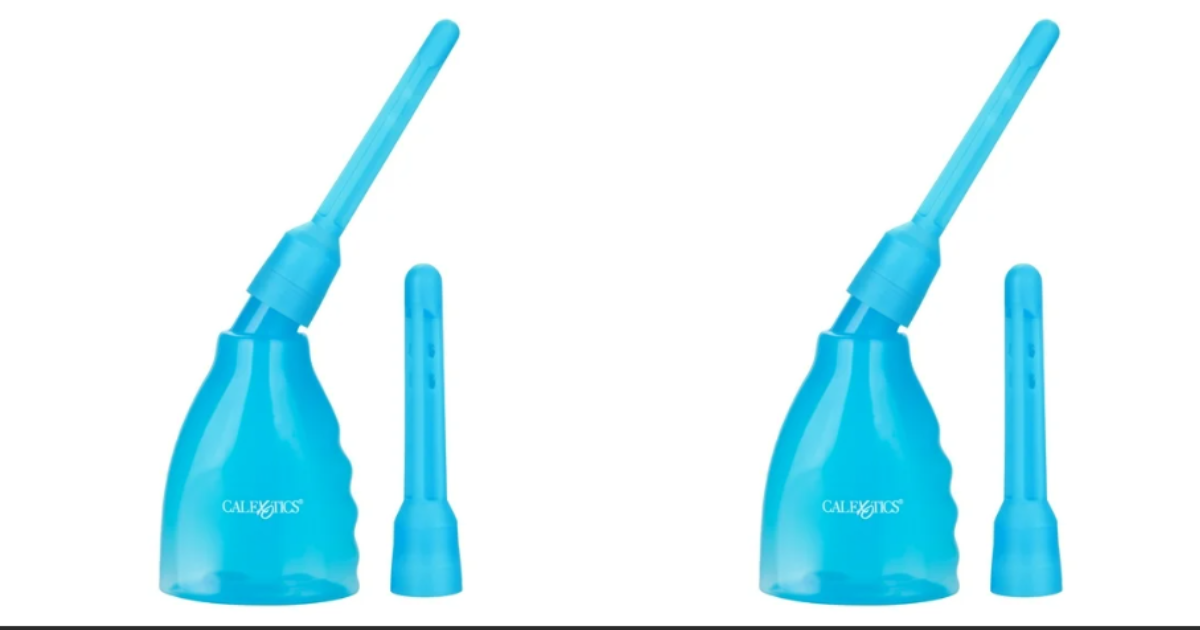
Let's be honest for a second. A lot of us grew up watching the women in our lives reach for that little bottle under the sink like it was just part of the routine. Nobody questioned it. It was passed down the same way recipes and hair care tips were — quietly, confidently, as just something women do.
So if you have been douching, this is not a post to shame you. It is a post to give you the information that nobody gave you when it mattered. Because the truth is simple and it is something every gynecologist will tell you the moment you ask: douching is one of the most harmful things you can do to your vaginal health. And most women do not find that out until after years of wondering why they keep getting infections.
Here is everything you need to know starting with how your vagina actually works.
Your Vagina Already Cleans Itself
This might be the most important sentence in this entire post: your vagina is a self-cleaning organ.
It does not need help. It does not need to be flushed, rinsed, or refreshed. It is already doing the work every single day without any products at all.
Here is how:
Your vagina is home to a community of protective bacteria called Lactobacillus. These bacteria produce lactic acid, which keeps your vaginal pH in a healthy, slightly acidic range of about 3.8 to 4.5. That acidity is your body's built-in defense system. It makes the environment hostile to harmful bacteria, yeast, and other organisms that cause infections.
Your vagina also produces natural discharge clear to white, sometimes slightly stretchy or creamy depending on where you are in your cycle that carries old cells and debris out of the body. That discharge is not a problem. It is the cleaning process happening exactly as it should.
When you leave your vagina alone, it maintains its own balance. When you interfere with it by douching you disrupt everything that was keeping it healthy.
So What Does Douching Actually Do?
When you flush liquid up into the vagina whether it is water, vinegar, baking soda, or a scented commercial solution here is what actually happens inside your body:
It wipes out your protective bacteria.
Those Lactobacillus bacteria that keep your pH balanced and your vagina infection-resistant? Douching washes them away. And once they are gone, harmful bacteria move in fast.
It throws off your pH.
Even vinegar which seems acidic disrupts the delicate vaginal pH balance. When pH rises above 4.5, the environment becomes a much friendlier place for the bacteria that cause BV, trichomoniasis, and other infections.
It pushes bacteria where it does not belong.
The mechanical force of squeezing liquid upward through the vaginal canal can push bacteria from the vagina into the cervix and uterus areas that are supposed to be sterile. This is one of the main ways douching leads to pelvic inflammatory disease, or PID.
It creates a cycle that feels impossible to escape.
Douching disrupts your microbiome. Disruption causes odor or discharge. You think you need to douche again. The disruption gets worse. The infections keep coming. And nobody ever connects the dots.
What the Research Has Been Saying for Decades
This is not new information. Researchers and gynecologists have been clear about the harms of douching for a very long time. Here is what the studies consistently show:
Douching and BV go hand in hand.
Women who douche are significantly more likely to develop bacterial vaginosis than women who do not. And BV does not just cause odor and discharge it increases your risk of STIs, pregnancy complications, and recurring vaginal infections. Douching does not treat BV. It directly creates the conditions that cause it.
Douching raises STI risk.
A disrupted vaginal microbiome and elevated pH make you more vulnerable to sexually transmitted infections, including chlamydia, gonorrhea, and HIV. Your natural bacterial community is part of your immune defense and douching takes it away.
Douching is linked to pelvic inflammatory disease.
PID is a serious infection of the uterus and fallopian tubes that can lead to chronic pelvic pain, scarring, and infertility. The connection between douching and PID is well-documented, and it comes down to that upward flushing action pushing bacteria into places that cannot handle it.
Douching during pregnancy is especially dangerous.
Studies have linked douching during pregnancy to preterm birth, low birth weight, and ectopic pregnancy a pregnancy implanted in the fallopian tube rather than the uterus, which can be life-threatening.
Why So Many Women Still Douche
If the evidence is so clear, why does douching persist? Because it is not really about hygiene it is about what women have been taught to believe about their own bodies.
It was passed down as love.
For a lot of women, douching was something their mother or grandmother taught them. It felt like care. Like being responsible with your body. Unlearning it can feel disloyal to the women who taught you but those women were also working with incomplete information.
The feminine hygiene industry created the problem and sold the solution.
For decades, women and disproportionately Black women and women of color were targeted with marketing that told them their natural bodies were unclean. The language was designed to create shame and then sell a fix. That messaging went deep. It still lives in a lot of us.
Vaginal odor causes real anxiety.
When you notice an odor that worries you, it makes complete sense to want to fix it immediately. The problem is that odor is almost always a symptom of something BV, a pH shift, an infection and douching covers the symptom while making the underlying cause significantly worse. The odor comes back stronger. The cycle continues.
It feels like it is working.
Right after douching, things feel fresh and clean. That sensation is real. But within 24 to 72 hours, the disrupted environment is already producing the conditions for your next infection. The short-term feeling of clean is just that short term.
What To Do Instead
If you have been douching because of odor, discharge, or just habit, here is what actually helps:
If you have a strong or fishy odor:
That is almost always BV and BV needs antibiotic treatment, not rinsing. Get tested. Treat the actual cause. The odor goes away when the infection is treated.
If you have unusual discharge:
Any discharge that is new in color, texture, or smell deserves evaluation by a provider. Not flushing. Not waiting it out. A quick swab test can tell you exactly what is happening.
For everyday vaginal hygiene:
Wash the external vulva only the outer lips and surrounding skin with warm water.
If you want to use soap on the outside, choose a gentle, fragrance-free, pH-balanced wash. Nothing scented. Nothing with harsh chemicals.
Never insert soap, water, or any product inside the vagina itself.
Wear breathable cotton underwear.
Change out of damp clothes quickly after swimming or working out.
Skip scented pads, tampons, and wipes the fragrance irritates sensitive skin and disrupts pH.
What About "Natural" Alternatives?
Some women switch from commercial douches to apple cider vinegar rinses, yogurt insertions, or hydrogen peroxide solutions thinking those are safer. They are not at least not as regular hygiene practices.
The core problem with douching is not the specific product. It is the act of flushing the inside of the vagina. That disrupts your microbiome and pH regardless of what liquid you use.
Boric acid vaginal suppositories are a different story they are a clinically studied tool for specific situations like recurrent BV or yeast, used under provider guidance, not as daily hygiene. That is a very different thing than rinsing with vinegar water because you want to feel clean.
When to See a Provider
If you have been douching regularly and are dealing with recurring BV, recurring yeast, persistent odor, or unusual discharge please see a provider before trying to manage it at home.
The pattern of douching causing disruption, disruption causing symptoms, symptoms prompting more douching is one of the most common cycles behind chronic recurrent BV. Breaking it starts with stopping douching completely and getting proper treatment for whatever has already been disrupted.
Your vagina does not need to be corrected. It needs to be supported and the best way to support it is to stop interfering with the system it already has in place.
“This article is based on current medical guidance and research from the following trusted sources:”
Resources & Sources
Office on Women's Health Douching -
womenshealth.gov
American College of Obstetricians and Gynecologists (ACOG) Vaginal Douching -
acog.org
Centers for Disease Control and Prevention (CDC) Bacterial Vaginosis -
cdc.gov
Mayo Clinic Douching: Why it's not recommended -
mayoclinic.org
Cleveland Clinic Why You Should Never Douche -
clevelandclinic.org
National Institutes of Health (NIH) / PubMed Douching and vaginal microbiome research -
pubmed.ncbi.nlm.nih.gov
Were you taught to douche growing up? Did you figure out it was harmful on your own or did a doctor finally have to tell you? Drop a comment below. This is one of those conversations that needs to happen more openly between women.
Becky Freeman is the founder of BVTalks® and Bee Vee Clean. She focuses on women’s intimate health, vaginal microbiome education, and creating practical, easy-to-understand content for everyday care.
Disclaimer: This post is for educational purposes only and is not a substitute for professional medical advice. Always consult your healthcare provider for diagnosis and treatment.
