

STI Testing With No Symptoms:
A lot of women only get tested for STIs when something feels wrong burning, discharge, a new bump, a partner cheating confession.
But the infections that cause some of the biggest long‑term damage to fertility and health are often totally silent.
That’s why every major guideline the CDC, USPSTF, and professional societies recommends STI screening even when you have zero symptoms, based on your age, partners, and risk factors
This post breaks down:
Why “I feel fine” isn’t a good STI strategy
How often you should test in different real‑life scenarios
Which tests actually matter (and which ones you don’t need every time)
What to expect at the appointment
How at‑home tests fit in
Why Get Tested When You Feel Fine?
Most STIs in women are asymptomatic
Chlamydia, gonorrhea, and even HIV can sit quietly for months or years without obvious symptoms especially in women.
Up to 70–80% of chlamydia infections in women may be asymptomatic
Gonorrhea is also frequently silent in the cervix
Many people with early HIV have no symptoms or write them off as “a flu.”
You can feel completely fine, have a “normal” looking discharge, and still have an infection that can damage your tubes, increase your risk of ectopic pregnancy, or be passed to partners.
Untreated infections can silently harm fertility and long‑term health
Chlamydia and gonorrhea can lead to pelvic inflammatory disease (PID), scarring the fallopian tubes and increasing the risk of infertility and ectopic pregnancy.
Untreated syphilis can damage the heart, brain, and other organs; in pregnancy, it can be devastating to the fetus
HIV, hepatitis B, and hepatitis C can lead to chronic illness, even if they’re initially silent
Screening isn’t about catching you “doing something wrong”; it’s about catching infections before they can quietly cause long‑term damage.
How Often Should You Get Tested? Real‑World Scenarios
The CDC has baseline recommendations; then your actual situation (age, partners, pregnancy) fine‑tunes them
Scenario 1: You’re under 25 and sexually active
Chlamydia and gonorrhea: Every year, even if you have one partner and no symptoms
HIV: At least once in your lifetime (if never done)
More often (every 3–6 months) if you have new or multiple partners, or inconsistent condom use
Why? Young women have the highest rates of chlamydia and gonorrhea, and many never feel a thing until there’s real damage
Scenario 2: 25 or older, in the dating world
If you’re 25+ and sexually active:
Chlamydia and gonorrhea: At least once a year if you have new or multiple partners or a partner with known STI risk (other partners, prior STIs, IV drug use)
HIV: At least once; every year if you have new partners or unprotected sex; more often (every 3–6 months) if higher risk
Syphilis: Based on local prevalence and risk; yearly if you or partners are in higher‑risk groups
A good rule of thumb that many sexual health experts use:
Get a full STI screen with every new partner and at least annually, even in a relationship, until you’ve both been tested and agreed to be monogamous.
Scenario 3: Long‑term “monogamous” relationship
If you’re in a long‑term, mutually monogamous relationship and you both tested negative after your last outside partners, your baseline risk is lower but not zero.
Reasonable plan:
HIV once (if never done).
Chlamydia/gonorrhea at least once early in the relationship, then based on risk some clinicians still recommend annual testing, especially if there is any doubt about exclusivity
Syphilis and others based on risk or pregnancy.
If there has been cheating, condoms coming off, or any concern, treat the situation like Scenario 2 and get full testing
Scenario 4: Pregnancy
Pregnancy comes with its own testing schedule because untreated STIs can affect both you and the baby
Early in pregnancy, guidelines recommend HIV, syphilis, hepatitis B, and often hepatitis C, plus chlamydia and gonorrhea for those at risk
Some women need repeat testing in the third trimester if they’re at higher risk or in high‑prevalence areas
Scenario 5: You have HIV or are on PrEP
People with HIV or on HIV pre‑exposure prophylaxis (PrEP) are usually tested for gonorrhea, chlamydia, and syphilis every 3–6 months, plus regular HIV viral load/PrEP labs
Which Tests Do You Actually Need?
“STI testing” is not one test it’s a menu. Here’s the cheat sheet for vagina‑owners.
Core tests most sexually active women should know
Chlamydia & Gonorrhea
Type: NAAT (nucleic acid amplification test)
Sample: Urine or vaginal/cervical swab
Who/when:
All sexually active women <25 yearly
Women 25+ with new/multiple partners or a partner with an STI
HIV
Type: Blood test (lab or rapid); some at‑home finger‑stick kits exist
Who/when: Everyone 13–64 at least once, then yearly or every 3–6 months depending on risk
Syphilis
Type: Blood test (non‑treponemal and treponemal tests)
Who/when: Routine for pregnancy and for people at higher risk (multiple partners, MSM partners, local outbreaks, HIV)
Tests that depend on your situation
Trichomoniasis
Type: NAAT (much more sensitive than wet mount)
Who/when: Women with vaginal discharge or in high‑risk populations; yearly for women with HIV
Mycoplasma genitalium
Type: NAAT, often with resistance testing
Who/when: Not for routine screening; recommended in women with recurrent cervicitis or PID when usual causes have been treated
Hepatitis B & C
Type: Blood tests
Who/when: Everyone at least once (especially HCV), plus additional testing for those with risk factors, pregnancy, or certain exposures
HPV / Pap tests
Type: Pap smear (cytology) and sometimes HPV DNA testing
Who/when: This is cervical cancer screening, not an STI screen in the usual sense but it is related to sexual activity. Follow age‑based Pap/HPV guidelines from your provider
What Actually Happens During an STI Testing Visit?
If the idea of “getting tested” feels vague and scary, here’s what it usually involves.
Quick history
Your provider will ask about partners, condom use, gender(s) of partners, pregnancy risk, and prior STIs. This is to choose the right tests, not to judge you
Sample collection
Pee in a cup (for chlamydia/gonorrhea NAAT).
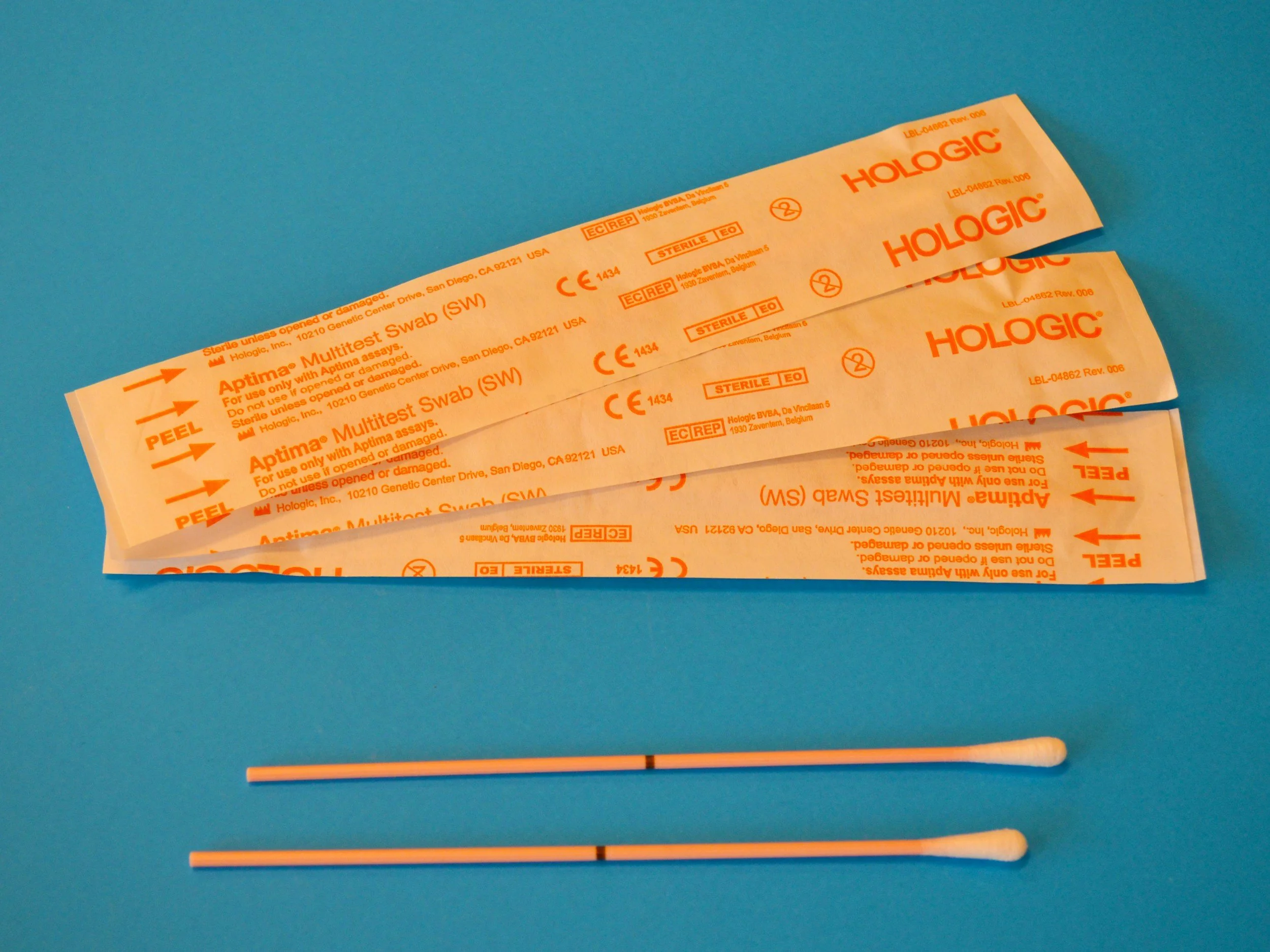
Swabs: vaginal/cervical swab, sometimes throat or rectal swabs if you’ve had oral/anal sex
Blood draw for HIV, syphilis, hepatitis B/C, and sometimes others
Results timing
Rapid HIV/syphilis tests can be same‑day; others come back in a few days.
If anything is positive, guidelines recommend retesting three months after treatment for chlamydia, gonorrhea, and trichomonas to check for reinfection
Partner treatment
For bacterial STIs like chlamydia, gonorrhea, trich, and sometimes Mycoplasma genitalium, it’s crucial that partners get treated too otherwise you just ping‑pong infections back and forth
What About At‑Home STI Tests?
At‑home and mail‑in STI tests are exploding in popularity.
Pros:
Privacy and convenience
Often use the same NAAT technology as clinic tests for chlamydia, gonorrhea, and trich
Good for routine screening if you’re otherwise low risk and have no symptoms
Limitations:
Not all kits include HIV, syphilis, or hepatitis you may still need bloodwork.
If you have symptoms, CDC still recommends seeing a clinician, because you may need a pelvic exam, wet mount, or broader work‑up
Positive results still require contact with a clinician for treatment and partner management
Think of at‑home testing as one tool not a replacement for care when something feels off.
How to Ask for Testing Without Feeling Awkward
It shouldn’t be awkward, but it often is. A few scripts you can borrow:
“I’m sexually active and want to stay on top of my health. Can we do routine STI testing today, including chlamydia, gonorrhea, HIV, and syphilis?”
“I’ve had a new partner since my last screen. I’d like a full panel, including throat or rectal swabs if they’re recommended.”
“We’re talking about stopping condoms in my relationship. I want both of us tested first so we know our status.”
A clinician who is up‑to‑date on guidelines will be glad you’re asking. If you’re dismissed or told it’s unnecessary without a discussion of your risk, it’s appropriate to seek a more sex‑positive provider or visit a dedicated sexual health clinic.
The Takeaway
“I feel fine” does not mean you’re STI‑free. Many infections in women are silent but still damage fertility and long‑term health
If you’re under 25 and sexually active, you should be screened for chlamydia and gonorrhea every year, plus HIV at least once
Over 25 with new or multiple partners? Annual chlamydia/gonorrhea + periodic HIV and syphilis is usually appropriate; every 3–6 months if risk is higher
STI testing is not a confession or a punishment. It’s basic maintenance for a sexually active life, just like Pap smears and dental cleanings.
You deserve partners who see testing as care, not accusation and providers who treat your sexual health as a normal, important part of your overall health
“This article is based on current medical guidance and research from the following trusted sources:”
Resources & Sources
CDC – Getting Tested for STIs.
https://www.cdc.gov/sti/testing/index.htmlcdcCDC – STI Screening Recommendations.
https://www.cdc.gov/std/treatment-guidelines/screening-recommendations.htmcdcCDC – STI Treatment Guidelines (full site).
https://www.cdc.gov/std/treatment-guidelines/default.htmcdcCDC – Clinical Guidance for STIs.
https://www.cdc.gov/sti/hcp/clinical-guidance/index.htmlcdcUSPSTF – Chlamydia and Gonorrhea Screening Recommendation.
https://www.uspreventiveservicestaskforce.org/uspstf/recommendation/chlamydia-and-gonorrhea-screeninguspreventiveservicestaskforce+1USPSTF Evidence Summary – Screening for Chlamydial and Gonococcal Infections.
https://www.uspreventiveservicestaskforce.org/home/getfilebytoken/DJuYtHGJ3yd8e9a9hgeNwguspreventiveservicestaskforceAAFP – CDC Screening and Treatment Guidelines for STIs.
https://www.aafp.org/afp/2008/0315/p819aafpAAFP/CDC – Screening and Treatment Guidelines for STIs (updated overview).
https://www.aafp.org/about/sponsored-resources/cdc-screening-treatment-guidelines-stis.htmlaafpCDC – Clinical Updates in Sexually Transmitted Infections 2024 (PDF).
https://stacks.cdc.gov/view/cdc/159414/cdc_159414_DS1.pdfstacks.cdcCDC – Get Tested: Find Free or Low‑Cost Testing Near You.
https://gettested.cdc.gov/
Author
Becky Freeman is the founder of BVTalks® and Bee Vee Clean. She focuses on women’s intimate health, vaginal microbiome education, and creating practical, easy-to-understand content for everyday care.
Disclaimer: This article is for education only and is not a substitute for personal medical advice. Always talk to your own clinician about your situation and test results
