

Postpartum Anxiety Is More Common Than Postpartum Depression… Here's Why
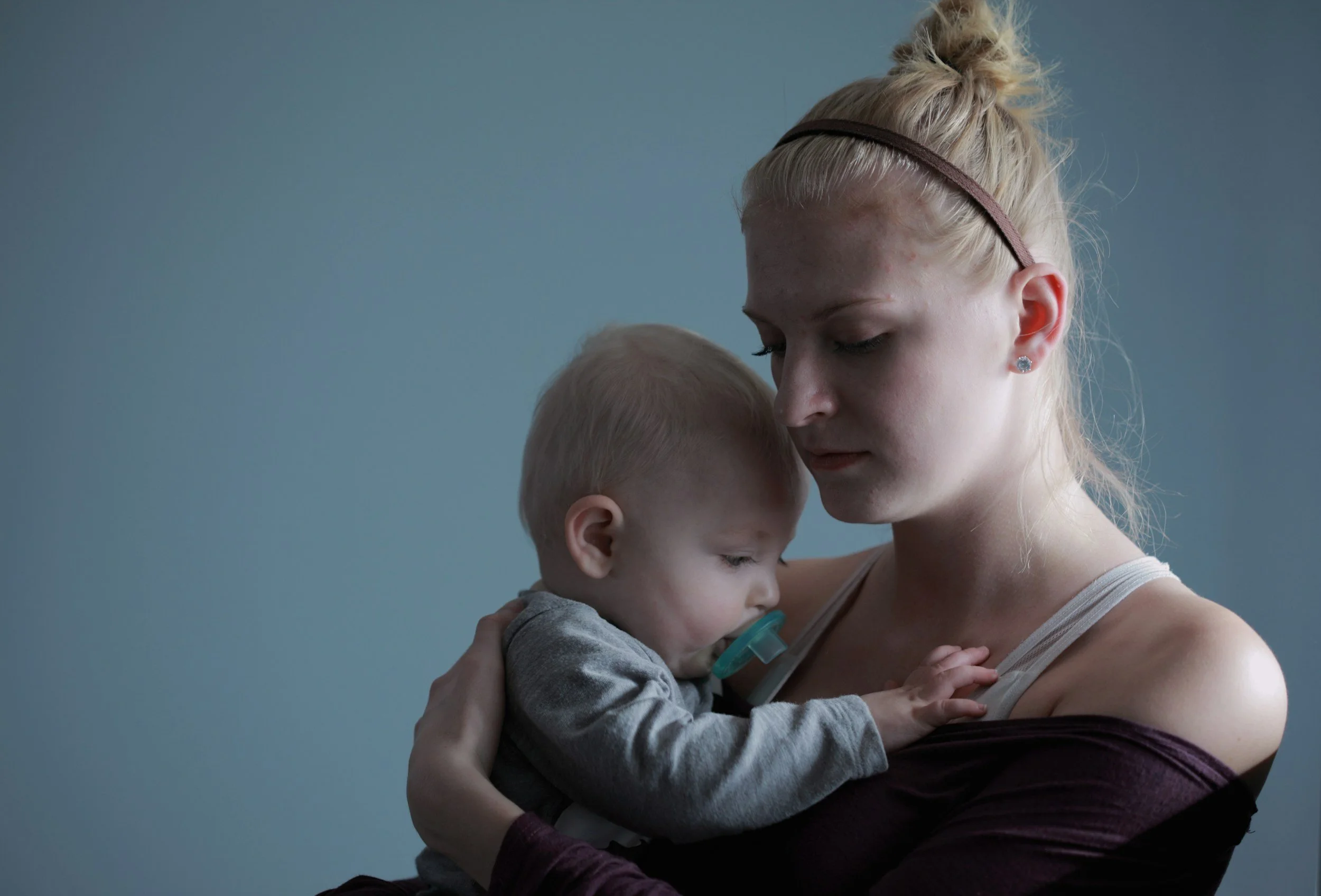
Everyone warned you about postpartum depression. Your OB mentioned it at your prenatal visits. The hospital gave you a pamphlet. Your friends told you to watch for the signs. You knew what to look for the sadness, the disconnection, the inability to bond with your baby.
What nobody warned you about was the 3 a.m. panic. The obsessive checking to make sure the baby is breathing every five minutes, all night long. The intrusive thoughts about something terrible happening that you cannot turn off no matter how hard you try. The racing heart, the tight chest, the constant, consuming sense that something is about to go horribly wrong even when everything is fine.
You were not sad. You were terrified. Every single day.
And because it did not look like what you had been told to watch for, nobody caught it. Maybe not even you.
Here is what the healthcare system has been slow to communicate clearly: postpartum anxiety is more common than postpartum depression. It affects more new mothers, it is more frequently missed, and for many women it is more disruptive to daily functioning than depression yet it receives a fraction of the attention, the screening, and the conversation.
This post is for every mother who has been anxious, overwhelmed, and terrified in the postpartum period and never had anyone name what was happening to her. Your experience is real. It has a name. And it is treatable.
What Is Postpartum Anxiety?
Postpartum anxiety (PPA) is a anxiety disorder that develops in the postpartum period the weeks and months following childbirth. It is characterized by excessive, persistent, and often uncontrollable worry, fear, and physical symptoms of anxiety that go significantly beyond the normal adjustment concerns of new parenthood.
Some degree of worry is expected and even adaptive for new parents it reflects care and attentiveness toward a vulnerable new life. Postpartum anxiety crosses into clinical territory when the worry is disproportionate, persistent, and interfering when it disrupts sleep beyond what the baby's needs require, dominates your waking hours, and prevents you from functioning or enjoying your baby and your life.
PPA is not a single disorder but an umbrella term that includes several distinct anxiety presentations in the postpartum period:
Generalized postpartum anxiety pervasive, excessive worry about many different things; the most common form
Postpartum panic disorder recurrent panic attacks; sudden episodes of intense fear with physical symptoms including racing heart, shortness of breath, dizziness, and chest tightness
Postpartum OCD (perinatal OCD) intrusive, unwanted thoughts often about harm coming to the baby accompanied by compulsive behaviors (checking, counting, avoiding) designed to neutralize the distress; this is far more common than most people realize and is NOT the same as wanting to harm your baby
Postpartum PTSD trauma responses following a difficult birth experience, including flashbacks, hypervigilance, avoidance, and emotional numbness
Postpartum health anxiety obsessive concern about the baby's health; repeated medical consultations or symptom checking that interferes with functioning
The Numbers: Why PPA Is More Common Than PPD
This is the statistic that surprises most people including many healthcare providers:
Postpartum depression affects approximately 10 to 15 percent of new mothers
Postpartum anxiety affects approximately 15 to 20 percent of new mothers with some research placing the figure as high as 21 percent
A landmark meta-analysis published in the Journal of Affective Disorders examining data from over 100 studies found that postpartum anxiety consistently occurred at higher rates than postpartum depression across populations and study methodologies. A study published in BMC Pregnancy and Childbirth found that nearly 1 in 5 women experienced clinically significant anxiety in the postpartum period.
Despite being more prevalent, PPA receives dramatically less clinical attention, less public awareness, less routine screening, and less research funding than PPD. The Edinburgh Postnatal Depression Scale the most widely used postpartum mental health screening tool was designed to detect depression. It captures some anxiety symptoms, but it is not a comprehensive anxiety screening tool. Many cases of postpartum anxiety are entirely missed by standard postpartum care.
Why Does Postpartum Anxiety Happen?
The postpartum period creates a perfect biological and psychological storm for anxiety. Multiple converging factors make new mothers uniquely vulnerable:
Hormonal Upheaval
The hormonal shift after delivery is one of the most dramatic in human biology. Estrogen and progesterone which were at their highest levels in years during pregnancy drop precipitously in the hours and days after birth. This hormonal withdrawal affects neurotransmitter systems throughout the brain, including serotonin, dopamine, and GABA the very systems that regulate anxiety and mood.
Progesterone's metabolite allopregnanolone which we discussed in our PMDD post has calming, anti-anxiety effects on the brain's GABA receptors during pregnancy. Its rapid postpartum withdrawal can trigger significant anxiety in women whose brains are sensitive to this hormonal shift. This is the same mechanism believed to underlie PMDD, and it helps explain why women with PMDD are at elevated risk for postpartum anxiety.
Sleep Deprivation
Sleep deprivation is one of the most potent anxiogenic (anxiety-producing) states a human can be in. The postpartum period involves profound, sustained sleep disruption fragmented sleep, reduced total sleep hours, and disrupted sleep architecture for weeks and months. Sleep deprivation amplifies threat perception, reduces emotional regulation capacity, and directly activates the brain's fear circuitry. It does not cause postpartum anxiety, but it dramatically worsens it and makes recovery harder.
The Neurobiological Shift of New Parenthood
Research using neuroimaging has shown that new parenthood particularly motherhood involves genuine structural and functional changes in the brain, including heightened activation of threat-detection circuits. This neurological shift toward hypervigilance is partly adaptive it makes mothers attuned to infant cues and responsive to danger. But in women with predisposing factors, it can tip into pathological anxiety.
Identity and Role Transition
Becoming a mother particularly for the first time involves a profound psychological transition called matrescence (coined by anthropologist Dana Raphael). The loss of previous identity, the weight of responsibility for a new life, the physical changes of the postpartum body, and the often-jarring gap between expectations and the reality of new parenthood all create significant psychological stress that can seed or amplify anxiety.
Trauma History and Previous Anxiety
Women with a personal history of anxiety disorders, trauma, or PTSD are at significantly elevated risk for postpartum anxiety. A difficult birth experience prolonged labor, emergency cesarean, complications, a NICU admission, or feeling unheard and unsafe during delivery can directly precipitate postpartum PTSD that presents primarily as anxiety.
Medical Risk Factors
Thyroid dysfunction postpartum thyroiditis (inflammation of the thyroid following delivery) affects approximately 5–10% of postpartum women and can cause significant anxiety, palpitations, and mood disturbance; thyroid screening is important in anxious postpartum women
Anemia postpartum blood loss contributing to iron deficiency anemia worsens fatigue and can amplify anxiety
Breastfeeding difficulties the stress, sleep disruption, and physical demands of difficult breastfeeding are associated with higher rates of postpartum anxiety
What Postpartum Anxiety Feels and Looks Like
Because PPA does not look like what most people picture as a mental health crisis because anxious mothers are often highly functional, highly attentive, highly capable-appearing it gets missed constantly. Here is what it actually looks and feels like from the inside:
The Worry That Never Stops
A constant, low-grade hum of catastrophic thinking that runs underneath everything. The baby is too quiet something is wrong. The baby is too loud something is wrong. You went to the grocery store for 20 minutes and your mind generated seventeen different scenarios of disaster during that time. You cannot watch the news. You cannot read about SIDS. You research baby health symptoms online at 2 a.m. in a spiral that terrifies you further rather than reassuring you.
The Physical Symptoms
Postpartum anxiety is not just a mental experience it lives in the body:
Racing or pounding heart sometimes with no obvious trigger
Chest tightness or the feeling of not being able to take a full breath
Nausea and digestive upset
Trembling or shakiness
Dizziness or lightheadedness
Muscle tension particularly in the shoulders, neck, and jaw
Sweating
These physical symptoms are frequently brought to pediatricians, primary care providers, and cardiologists without anyone connecting them to postpartum anxiety.
The Intrusive Thoughts
This is perhaps the least discussed and most distressing feature of postpartum OCD and anxiety. Intrusive thoughts are unwanted, involuntary mental images or thoughts often about terrible things happening to the baby that arrive without warning and cause intense distress.
These might include thoughts of accidentally dropping the baby, the baby being harmed, or something catastrophic happening. These thoughts are ego-dystonic meaning they are completely against your values and desires; they horrify you precisely because you love your baby so much. They are NOT a sign that you want to harm your baby. They are a symptom of anxiety, driven by hyperactivated threat-detection circuits that are generating worst-case scenarios in a brain under enormous stress.
Many mothers never tell anyone about intrusive thoughts because they are terrified of judgment or of having their baby taken away. This silence is one of the greatest tragedies of postpartum OCD because intrusive thoughts respond very well to appropriate treatment, but only if someone knows they are happening.
The Hypervigilance and Control
An inability to leave the baby with anyone else even a trusted partner, family member, or caregiver because your brain cannot tolerate the uncertainty of not being the one watching. Checking the baby monitor obsessively. Difficulty sleeping even when the baby is sleeping because your nervous system will not downregulate. Needing to be in control of every aspect of the baby's care because relinquishing control feels genuinely dangerous.
Irritability and Anger
Anxiety in women frequently presents as irritability rather than visible fear. A postpartum mother who is snapping at her partner, overwhelmed by small disruptions, and unable to tolerate noise or disorder may be in the grip of anxiety not simply being difficult or adjusting poorly.
How Is Postpartum Anxiety Diagnosed?
Because PPA lacks the same standardized screening infrastructure as PPD, diagnosis often depends on a provider who asks the right questions and a mother who feels safe enough to answer honestly.
Screening tools that can identify postpartum anxiety include:
GAD-7 (Generalized Anxiety Disorder 7-item scale) a widely used, validated anxiety screening tool that can be incorporated into postpartum visits
Edinburgh Postnatal Depression Scale (EPDS) while primarily a depression screen, items 3, 4, and 5 address anxiety and can flag cases
Perinatal Anxiety Screening Scale (PASS) specifically designed for perinatal anxiety; more comprehensive than the EPDS for anxiety identification
What to tell your provider:
Do not wait to be asked the right question. If you recognize yourself in this post, say these words directly: "I think I might have postpartum anxiety." Describe your specific symptoms the intrusive thoughts, the physical symptoms, the inability to sleep, the relentless worry. Bring this post if it helps you articulate what you have been experiencing.
Treatment Options for Postpartum Anxiety
Postpartum anxiety is highly treatable and most women experience significant improvement with appropriate care.
Therapy First and Often Most Effective
Cognitive Behavioral Therapy (CBT) the gold standard psychological treatment for anxiety disorders; helps identify and restructure the catastrophic thinking patterns that fuel anxiety; highly effective for postpartum anxiety
Exposure and Response Prevention (ERP) specifically for postpartum OCD with intrusive thoughts; involves gradual, supported exposure to anxiety-triggering situations while resisting compulsive responses; highly effective
EMDR (Eye Movement Desensitization and Reprocessing) particularly effective for postpartum PTSD following a traumatic birth
Medication
SSRIs sertraline (Zoloft) and escitalopram (Lexapro) are most commonly prescribed for postpartum anxiety and have the most safety data for breastfeeding mothers
SNRIs venlafaxine (Effexor) and duloxetine are alternatives with good evidence
Short-term benzodiazepines occasionally used for acute panic in the postpartum period; generally avoided for breastfeeding mothers and not recommended for long-term use
Buspirone a non-benzodiazepine anxiolytic with some use in postpartum anxiety, though less studied than SSRIs
All medication decisions in the postpartum period particularly for breastfeeding mothers should be made in close partnership with a knowledgeable provider. The LactMed database (maintained by the NIH) provides up-to-date information on medication safety during breastfeeding.
Lifestyle and Support
Prioritize sleep ruthlessly this means accepting help, sharing night feeds when possible, and sleeping when the baby sleeps without guilt; sleep deprivation is both a cause and a sustainer of postpartum anxiety
Reduce caffeine caffeine directly amplifies anxiety symptoms; reducing or eliminating it during the postpartum period can meaningfully reduce physical anxiety symptoms
Gentle movement walking, yoga, and light exercise have strong evidence for reducing anxiety; even 20 minutes of walking daily makes a measurable difference
Accept support postpartum anxiety thrives in isolation; accepting practical help from family and friends reduces the burden on your nervous system
Postpartum support groups both in-person and online; Postpartum Support International (PSI) maintains a directory of support groups and a helpline
A Note on Postpartum Anxiety and Breastfeeding
Breastfeeding and postpartum anxiety have a complex, bidirectional relationship. Breastfeeding difficulties pain, latch problems, supply concerns are a significant source of postpartum anxiety. At the same time, the oxytocin released during breastfeeding has calming, anti-anxiety effects for many women.
Some women find that the pressure of breastfeeding amplifies their anxiety to an unsustainable level and that the decision to supplement or transition to formula, while emotionally difficult, brings significant anxiety relief. This is a valid and personal decision. A fed baby and a mentally healthy mother are more important than any feeding method. If breastfeeding is contributing significantly to your postpartum anxiety, this is a conversation worth having honestly with your provider and a lactation consultant.
When to Seek Immediate Help
Seek urgent care if you experience:
Thoughts of harming yourself or your baby
Feeling completely detached from reality
Panic attacks that are not resolving
Inability to care for yourself or your baby due to anxiety severity
Postpartum psychosis symptoms confusion, hallucinations, rapid mood swings, paranoia (this is a psychiatric emergency; call 911 or go to the nearest emergency room immediately)
Crisis Resources:
Postpartum Support International Helpline: 1-800-944-4773 (call or text)
988 Suicide and Crisis Lifeline: call or text 988
Crisis Text Line: text HOME to 741741
Frequently Asked Questions
Can postpartum anxiety develop weeks or months after delivery not just immediately?
Yes. While postpartum anxiety often begins in the first few weeks after delivery, it can develop or intensify at any point in the first year postpartum and sometimes beyond. Weaning from breastfeeding, returning to work, or other hormonal and life transitions in the postpartum year can trigger or worsen anxiety at later stages.
Can fathers and non-birthing parents experience postpartum anxiety?
Yes. Postpartum anxiety is less common in non-birthing parents but absolutely occurs affecting an estimated 10% of new fathers. The sleep deprivation, role transition, and responsibility of new parenthood create anxiety vulnerability regardless of who gave birth.
Is postpartum anxiety a sign that I am not cut out for motherhood?
Absolutely not. Postpartum anxiety is a medical condition not a reflection of your love for your baby, your competence as a mother, or your fitness for parenthood. Many of the most devoted, attentive, loving mothers have experienced postpartum anxiety. Seeking help is an act of motherhood, not a failure of it.
Will postpartum anxiety affect my bond with my baby?
Untreated postpartum anxiety can make bonding harder because your nervous system is so consumed with threat-monitoring that it is difficult to be present and relaxed with your baby. Treatment typically improves bonding significantly. Getting help is the most direct thing you can do to protect your relationship with your child.
“This article is based on current medical guidance and research from the following trusted sources:”
Resources & Sources
Fairbrother, N., et al. (2016).- Perinatal anxiety: Prevalence, nature, and comorbidity. Journal of Affective Disorders.
Dennis, C.L., et al. (2017). Prevalence of antenatal and postnatal anxiety: Systematic review and meta-analysis. British Journal of Psychiatry.
Postpartum Support International (PSI)- postpartum.net
American College of Obstetricians and Gynecologists (ACOG) Postpartum Care- acog.org
National Institute of Mental Health (NIMH) Perinatal Depression and Anxiety- nimh.nih.gov
Mayo Clinic Postpartum Depression and Anxiety- mayoclinic.org
NIH LactMed Database Medication Safety in Breastfeeding- ncbi.nlm.nih.gov/books/NBK501922
Crisis Resources: PSI Helpline 1-800-944-4773 | 988 Lifeline | Crisis Text Line: text HOME to 741741
Did postpartum anxiety show up for you in a way nobody warned you about? Did it take months or years before anyone named it? Share your story in the comments. Every honest account here helps break the silence that keeps so many new mothers suffering alone
Author
Becky Freeman is the founder of BVTalks® and Bee Vee Clean. She focuses on women’s intimate health, vaginal microbiome education, and creating practical, easy-to-understand content for everyday care.
Disclaimer: This post is for educational purposes only and is not a substitute for professional medical advice. Always consult your healthcare provider for diagnosis and treatment.
