

Perimenopause Sleep Problems: Why You’re Awake at 3 A.M. (and What Actually Helps)
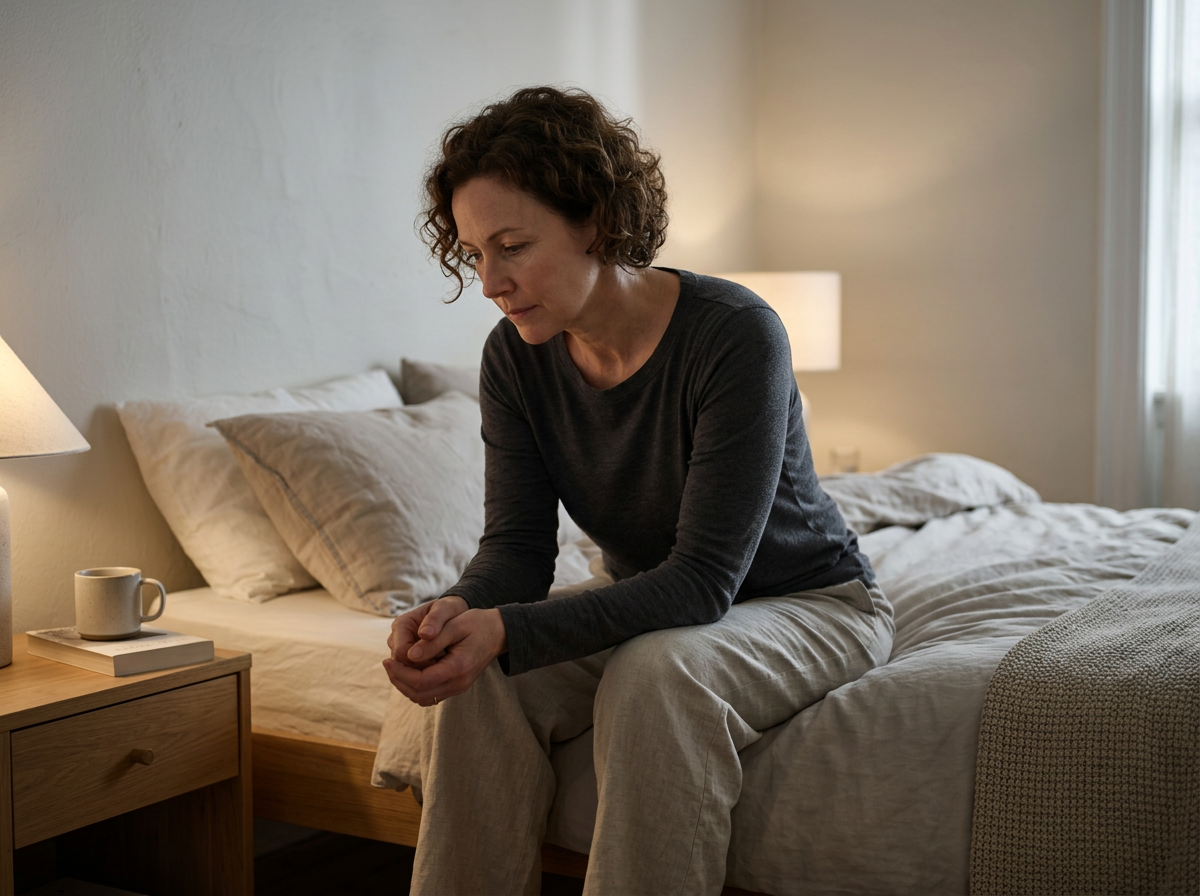
You used to be the person who could fall asleep anywhere.
Now you’re wide awake at 3 a.m., heart racing, mind spinning through worst‑case scenarios. Or you fall asleep fine, only to wake four or five times a night too hot, too restless, too aware of every sound in the house
You start to wonder:
Is this just stress?
Am I doing sleep wrong?
Or is this perimenopause?
If you’re in your late 30s, 40s, or early 50s, and your sleep has gone off the rails in ways it never has before, there’s a good chance perimenopause is part of the story
This post explains:
How common sleep problems are in perimenopause
Why they happen (it’s more than “hot flashes”)
The difference between normal midlife sleep changes and real insomnia
Which treatments actually help and how to talk to your doctor without being brushed off
How Common Are Sleep Problems in Perimenopause?
Sleep issues are one of the most common and most hated symptoms of the menopausal transition
Large studies show:
Around 40–60% of women report sleep disturbance at some point in the menopause transition
A narrative review found the prevalence of sleep disorders during perimenopause ranges from 16–47%, rising to 35–60% after menopause
In the Study of Women’s Health Across the Nation (SWAN), difficulty sleeping increased from about 30% in premenopause to 40–45% in early and late perimenopause, and stayed high afterward
One DSM‑IV–based study found that 26% of perimenopausal women met criteria for chronic insomnia lasting six months or more, with difficulty staying asleep as the most common pattern
So if your sleep has suddenly become fragile, you are absolutely not alone and no, you’re not just “bad at sleeping.” Your brain and hormones are in a genuine transition zone
What Perimenopause Sleep Problems Actually Look Like
Women in perimenopause report a fairly consistent set of sleep complaints
Frequent night awakenings. You fall asleep but wake multiple times and struggle to get back to sleep.
Early‑morning waking. You wake up at 3–4 a.m. and can’t fall back asleep, even if you’re exhausted later
Non‑restorative sleep. You technically slept, but feel unrefreshed, foggy, and heavy the next morning.
Trouble maintaining sleep more than falling asleep. Data suggests difficulty staying asleep is more common than initial insomnia in perimenopause
Sleep linked to hot flashes or night sweats. You wake soaked, kicking off covers, or with a rush of heat and pounding heart
Polysomnography (overnight sleep studies) confirm that many perimenopausal women have more time awake after sleep onset, shorter total sleep time, and more frequent awakenings than similar‑aged premenopausal women
In other words: it’s not just in your head. Your sleep architecture is literally different during this transition.
Why Perimenopause Wrecks Sleep: It’s Not Just Hot Flashes
Hot flashes and night sweats are big pieces of the puzzle but not the whole thing.
Hormonal Fluctuations
Perimenopause is defined by fluctuating estrogen and progesterone, not a smooth decline
Studies show:
Lower estradiol and higher FSH levels are linked to more nightly awakenings and poor sleep quality
SWAN data and other cohorts suggest women in late perimenopause have about 1.3 times higher odds of insomnia symptoms than those in early perimenopause
These hormones interact with systems that control:
Sleep drive and circadian rhythms
Thermoregulation (how your body controls temperature)
Mood and anxiety which can further disrupt sleep
So even if you don’t have dramatic hot flashes, hormone shifts alone can disrupt the continuity of your sleep
Vasomotor Symptoms (Hot Flashes and Night Sweats)
Vasomotor symptoms are strongly associated with poor sleep
Women with moderate to severe hot flashes are almost three times more likely to report frequent nocturnal awakenings than women without hot flashes
Night‑time vasomotor symptoms increase waking after sleep onset on both actigraphy and polysomnography
Meta‑analyses show that hot flashes greatly increase the odds of both insomnia and self‑reported sleep disturbance
If your worst sleep nights line up with your worst hot‑flash nights, that’s not coincidence it’s physiology
Mood, Stress, and Chronic Conditions
A meta‑analysis found that depression, hot flashes, chronic disease, and psychotropic medication use significantly increased the risk of sleep disorders in perimenopausal women
Depression roughly tripled the odds of sleep disorders.
Hot flashes almost tripled the risk as well.
Chronic medical conditions (e.g., cardiovascular disease, pain conditions) and some medications also played a role
Sleep and mood feed each other: poor sleep worsens anxiety and depression, which further disrupt sleep, creating a vicious cycle
Primary Sleep Disorders
Perimenopause is also a time when primary sleep disorders can show up or get worse
Insomnia disorder
Obstructive sleep apnea (OSA)
Restless legs syndrome (RLS) and periodic limb movements
Nocturia (needing to pee multiple times at night)
These require specific evaluation so not every sleep problem is automatically “just hormones.”
When Is It “Normal” vs an Insomnia Disorder?
Some sleep changes are common in midlife and might not need aggressive treatment. But there is a line where sleep problems become a disorder.
Normal‑ish midlife sleep changes
Occasional trouble falling asleep or staying asleep
Waking briefly once or twice a night but falling back asleep easily
Light sleep during intense life stress or illness
Signs it might be insomnia disorder
Experts define chronic insomnia as
Difficulty falling asleep, staying asleep, or waking too early
Occurring at least three nights per week
Lasting three months or longer
Causing daytime impairment (fatigue, irritability, concentration problems, lower quality of life)
As noted earlier, roughly one‑quarter of perimenopausal women in one study met full criteria for chronic insomnia
If your sleep problems are:
Persistent
Frequent
Starting to affect work, relationships, or your mental health
…then it’s time to treat them as a real condition, not a personality flaw or something you should “just cope with.”
Why Sleep Problems in Perimenopause Really Matter
Sleep isn’t just about feeling rested. Chronic insomnia and sleep fragmentation are linked to
Higher risk of depression and anxiety
Increased cardiometabolic risk (blood pressure, blood sugar, weight changes)
Impaired daytime functioning, lower productivity, and lower quality of life
Worse tolerance of hot flashes, pain, and everyday stress
One longitudinal study found that insomnia symptoms during perimenopause were associated with negative cardiometabolic outcomes over time
So treating sleep is not superficial. It’s central to protecting your health and mental wellbeing during this transition.
What Actually Helps: Evidence‑Backed Options
The good news: you do not have to simply “ride it out.” There are multiple proven strategies for perimenopause‑related sleep problems.
Sleep Hygiene That’s Actually Worth Your Energy
Basic behaviors can’t fix severe insomnia alone, but they are the foundation that make other treatments work better
Key steps:
Consistent sleep schedule. Go to bed and get up at the same time every day, including weekends
Wind‑down routine. Create a pre‑bed ritual (dim lights, reading, gentle stretching, bath) that signals “sleep is coming.”
Bedroom environment. Cool, dark, quiet, with breathable bedding and layers you can remove during hot flashes
Caffeine and alcohol boundaries. Avoid caffeine in the late afternoon/evening; limit or skip alcohol, which can fragment sleep and worsen hot flashes
Screen limits. Minimize phones and bright screens in bed; blue light and doom‑scrolling can keep your brain wired
These alone may not resolve chronic insomnia, but they set the stage for more targeted treatment
Cognitive Behavioral Therapy for Insomnia (CBT‑I)
CBT‑I is considered first‑line treatment for chronic insomnia in many guidelines including for midlife women
CBT‑I typically includes:
Sleep restriction and consolidation (paradoxically limiting time in bed to reset sleep drive)
Stimulus control (breaking the association between bed and worry/awake time)
Cognitive work on catastrophic thoughts about sleep (“if I don’t sleep perfectly, tomorrow will be ruined”)
Relaxation strategies tailored to nighttime anxiety
Studies and evidence briefs specifically in menopausal women show CBT‑I:
Improves insomnia symptoms
Enhances daytime functioning
Can be as effective as, or more durable than, some medication
An open‑label trial is even comparing CBT‑I directly with hormone therapy and sleep hygiene in late menopausal transition, underscoring how central CBT‑I has become in this space
If your insomnia is persistent, CBT‑I delivered by a trained therapist or a structured digital program is usually worth prioritizing.
Addressing Hot Flashes and Night Sweats
Because vasomotor symptoms are major drivers of sleep disruption, treating them often significantly improves sleep
Options include:
Hormone therapy (HT)
Menopausal hormone therapy (estrogen with or without progesterone) is the most effective treatment for hot flashes and night sweats
Systematic reviews suggest HT can improve subjective sleep quality, largely by reducing vasomotor symptoms and nighttime awakenings
Non‑hormonal medications
For women who cannot or prefer not to use HT, several non‑hormonal agents have evidence for reducing hot flashes and improving sleep:
Certain SSRIs/SNRIs (e.g., venlafaxine, paroxetine) can reduce both vasomotor symptoms and insomnia severity
Neurokinin B antagonists are emerging therapies that target the KNDy neuron system involved in hot flashes and may improve sleep as well
Gabapentin at night can help some women with both hot flashes and sleep continuity
These require individualized discussion of risks, benefits, and other health conditions with your clinician.
Screening for Sleep Apnea and Restless Legs
Because sleep apnea and restless legs syndrome become more common in midlife women, especially with weight changes and aging, they should be considered when sleep is severely disturbed
Signs to ask about:
Loud snoring, gasping, or witnessed apneas
Morning headaches, dry mouth, daytime sleepiness (even if you think you “slept”)
Uncomfortable urge to move legs at night, crawling or pulling sensations relieved by movementpmc
These conditions have specific treatments (e.g., CPAP, oral appliances for apnea; iron, dopamine agents, or gabapentin for RLS) and are not fixed by sleep hygiene alone
Mental Health and Whole‑Body Factors
Because depression, chronic disease, and psychotropic drug use significantly increase the risk of sleep disorders in perimenopause, a complete sleep plan should include:
Screening and treatment for anxiety and depression
Reviewing medications that may disrupt sleep
Managing chronic pain, nighttime asthma, reflux, or other conditions that wake you uppubmed
Sleep problems in perimenopause are rarely “just one thing.” The most effective plans respect the biopsychosocial mix of hormones, brain, body, and life stress
How to Talk to Your Doctor About Perimenopause Sleep Problems
You are allowed to say, “My sleep is broken, and I need a real plan.”
Consider using language like:
“I’m in my 40s/early 50s, my cycles have changed, and I’m having frequent night awakenings and early‑morning waking that’s affecting my life. I’d like to evaluate whether this is perimenopause‑related insomnia and talk about options like CBT‑I, treating hot flashes, screening for sleep apnea or restless legs, and whether hormone therapy or other medications make sense for me.”
Ask for:
A basic sleep and mood history
Screening for primary sleep disorders, anxiety, and depression
Discussion of vasomotor symptoms and whether you’re a candidate for HT or non‑hormonal treatments
Referral to CBT‑I (sleep psychologist, behavioral health provider, or an evidence‑based program)
If your concerns are waved away as “normal aging” without exploration, it is reasonable to seek a clinician with more specific expertise in menopause and sleep medicine.
The Bottom Line
Sleep problems are extremely common in perimenopause affecting roughly 40–50% of women, with up to one‑quarter meeting criteria for chronic insomnia
The main pattern is difficulty staying asleep multiple awakenings and non‑restorative sleep driven by hormonal fluctuations, hot flashes, mood changes, and primary sleep disorders
These sleep problems are not trivial: they affect mental health, physical health, and quality of life and they are absolutely treatable with CBT‑I, vasomotor symptom management, appropriate medications, and targeted evaluation
You’re not “bad at sleeping.”
You’re moving through one of the most intense hormonal transitions of your life and you deserve more than “try a warm bath and hope for the best.” Share your thoughts below.
“This article is based on current medical guidance and research from the following trusted sources:”
Resources & Sources
Sleep and Sleep Disorders in the Menopausal Transition – Comprehensive Review.
https://pmc.ncbi.nlm.nih.gov/articles/PMC6092036/pmc.ncbi.nlm.nihSleep Disturbance and Perimenopause: Narrative Review (2025).
https://pmc.ncbi.nlm.nih.gov/articles/PMC11901009/pmc.ncbi.nlm.nihSleep Disturbance and Menopause – 2025 Update.
https://pubmed.ncbi.nlm.nih.gov/39820156/pubmed.ncbi.nlm.nihLongitudinal Study of Insomnia Symptoms Among Women in the Menopausal Transition.
https://pubmed.ncbi.nlm.nih.gov/28886339/pubmed.ncbi.nlm.nihSleep Disturbance in Perimenopausal Women – Chronobiology in Medicine.
https://www.chronobiologyinmedicine.org/journal/view.php?doi=10.33069/cim.2024.0027chronobiologyinmedicineFactors Influencing Sleep Disorders in Perimenopausal Women – Meta‑analysis.
https://www.frontiersin.org/articles/10.3389/fneur.2025.1460613/fullfrontiersinDisruption of Sleep Continuity During the Perimenopause – NIH.
https://pmc.ncbi.nlm.nih.gov/articles/PMC9516110/pmc.ncbi.nlm.nihAssociations Between Vasomotor Symptoms, Sleep Disturbances, and Mood Changes.
https://pubmed.ncbi.nlm.nih.gov/41529146/pubmed.ncbi.nlm.nihSleep During the Perimenopause: A SWAN Story.
https://pmc.ncbi.nlm.nih.gov/articles/PMC3185248/pmc.ncbi.nlm.nihNIA – Sleep Problems and Menopause: What Can I Do?
https://www.nia.nih.gov/health/menopause/sleep-problems-and-menopause-what-can-i-donia.nihMenopause‑Related Changes in Sleep and Associations with Health – Narrative Review.
https://pmc.ncbi.nlm.nih.gov/articles/PMC12428155/pmc.ncbi.nlm.nihMenopause: Managing Sleep Disturbance – Evidence Brief.
https://aci.health.nsw.gov.au/__data/assets/pdf_file/0011/959231/Menopause-managing-sleep-disturbance-ACI-evidence-brief.pdfaci.health.nsw.govNo More Sleepless Nights in Perimenopause – CBT‑I vs HRT Trial.
https://pmc.ncbi.nlm.nih.gov/articles/PMC12860079/pmc.ncbi.nlm.nihTherapeutic Approaches for Vasomotor Symptoms and Sleep Disorders in Menopausal Women.
https://gremjournal.com/journal/0203-2022/therapeutic-approaches-for-vasomotor-symptoms-and-sleep-disorders-in-menopausal-women/gremjournal
Author
Becky Freeman is the founder of BVTalks® and Bee Vee Clean. She focuses on women’s intimate health, vaginal microbiome education, and creating practical, easy-to-understand content for everyday care.
Disclaimer: This article is for education only and is not a substitute for personal medical advice. Always talk to your own clinician about your symptoms and treatment options
