

Metronidazole for BV: How It Works, Side Effects, and What to Expect
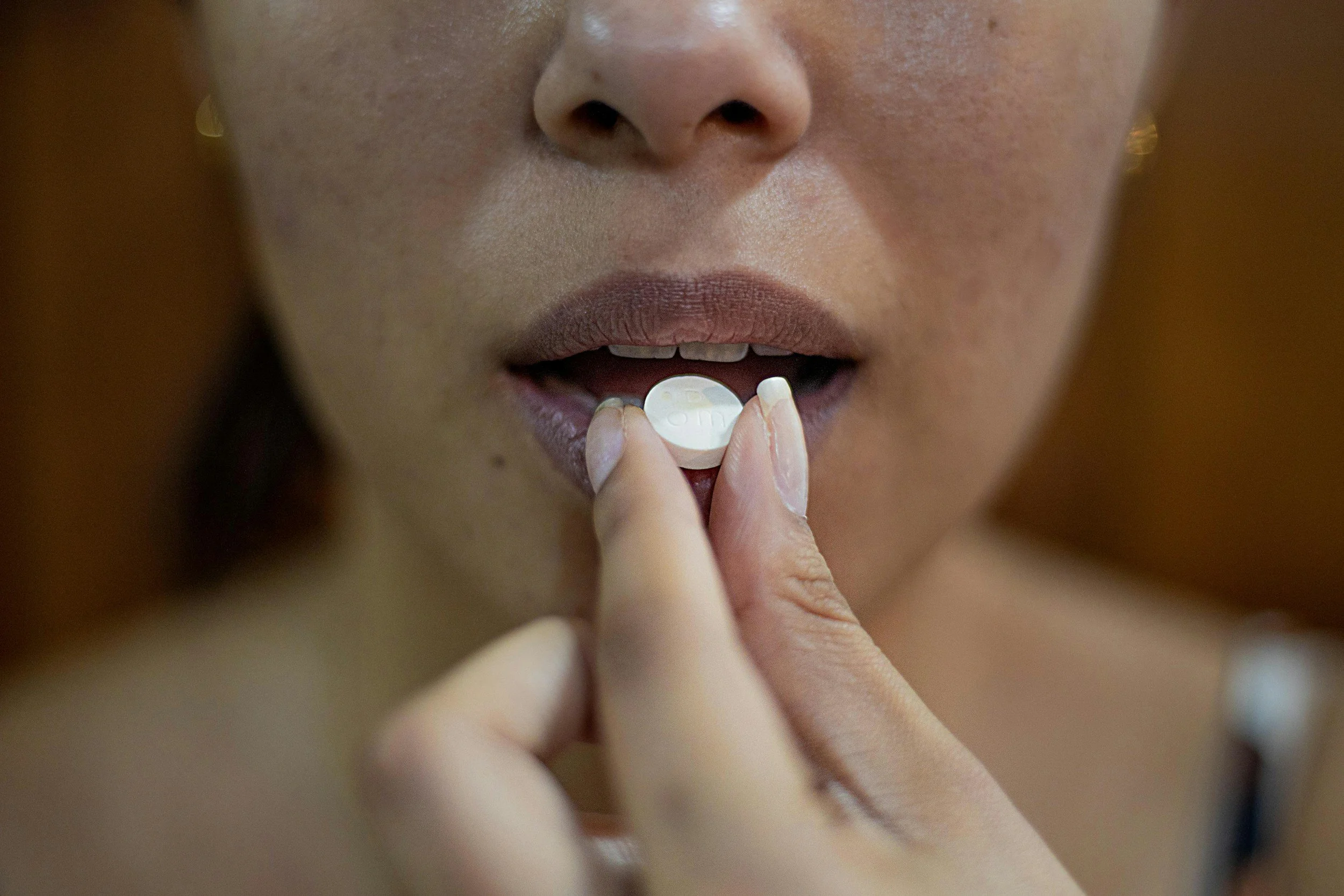
You finally went to the doctor. You got the diagnosis bacterial vaginosis. And you walked out with a prescription for metronidazole. Maybe it is a 7-day course of pills. Maybe it is a gel. Maybe this is your first time, or maybe this is the fifth time you have held this exact prescription in your hand, wondering if this time it will actually stick.
Metronidazole is the most commonly prescribed treatment for BV worldwide and for good reason. It works. But there is a significant gap between "it works" and "it works for good" and that gap is where millions of women get stuck in the exhausting cycle of treatment, temporary relief, and recurrence.
Understanding exactly how metronidazole works, why it sometimes fails, what the side effects are, and how to use it most effectively is the knowledge that transforms a prescription into a real plan.
What Is Metronidazole?
Metronidazole is an antibiotic and antiprotozoal medication in the nitroimidazole class. It was first developed in the 1950s and has been used clinically for decades for BV, trichomoniasis, certain intestinal infections, and a range of anaerobic bacterial infections throughout the body.
For BV, metronidazole is available in two primary forms:
Oral tablets typically prescribed as 500mg twice daily for 7 days (the standard CDC-recommended course), or as a single 2-gram dose (less commonly used due to lower efficacy)
Vaginal gel (0.75%) MetroGel-Vaginal or generic equivalents; applied intravaginally once daily for 5 days, or twice daily for 5 days depending on formulation
Both formulations are FDA-approved for BV treatment and are considered first-line options by the CDC and ACOG.
How Metronidazole Works Against BV
Metronidazole's mechanism of action is specific and elegant. It works against anaerobic bacteria organisms that live and thrive in low-oxygen environments, which is precisely the environment of BV-associated bacterial communities.
Here is the mechanism: metronidazole enters bacterial cells and is chemically reduced by anaerobic electron transport proteins. This reduction produces toxic reactive compounds that damage bacterial DNA causing strand breaks and cell death. Because this reduction only occurs in anaerobic conditions, metronidazole is selectively toxic to anaerobic organisms while leaving aerobic bacteria (including beneficial Lactobacillus species, which are aerotolerant) relatively unaffected.
This selectivity is what makes metronidazole particularly well-suited for BV it targets the anaerobic bacteria (Gardnerella, Atopobium vaginae, Prevotella, Mobiluncus, and others) that dominate the dysbiotic BV microbiome while theoretically sparing Lactobacillus.
In practice, metronidazole clears the BV-associated bacterial community effectively achieving cure rates of approximately 70–80% at the 4-week mark with a standard 7-day oral course.
Oral vs. Vaginal Gel: Which Is Better?
Both formulations have similar overall efficacy approximately equivalent cure rates in head-to-head comparisons. The choice between them depends on several individual factors:
Oral metronidazole:
Systemic reaches the vaginal tissue through the bloodstream
Treats the entire reproductive tract, including upper tract involvement
More side effects (nausea, metallic taste, gastrointestinal upset)
Requires strict alcohol avoidance during treatment and 24–48 hours after
Better choice when upper tract involvement is suspected or when vaginal gel is poorly tolerated
Vaginal gel:
Local delivery higher vaginal tissue concentrations with lower systemic exposure
Significantly fewer systemic side effects
No alcohol restriction required
May be less effective against upper tract BV
Better tolerated by women sensitive to systemic side effects
Some women find the applicator inconvenient
Side Effects of Metronidazole
Oral metronidazole common side effects:
Metallic or bitter taste one of the most universally reported; caused by metronidazole being excreted in saliva; often described as a persistent metallic taste throughout the mouth
Nausea particularly on an empty stomach; taking with food significantly reduces nausea
Gastrointestinal upset cramping, diarrhea, or loose stools during the course
Headache relatively common; usually mild
Dizziness or lightheadedness particularly with the first few doses
Yeast infection metronidazole can trigger a secondary yeast infection by disrupting the vaginal bacterial balance; approximately 10–25% of women develop a yeast infection following metronidazole treatment; some providers co-prescribe a single fluconazole dose or recommend having an OTC treatment on hand
Less common but important:
Peripheral neuropathy tingling or numbness in hands and feet; more common with prolonged or repeated courses; report immediately to your provider
Seizure risk very rare; more relevant with high-dose IV formulations than standard oral BV dosing
Vaginal gel side effects:
Local discharge or wetness from the gel vehicle
Mild vaginal irritation or burning in some women
Significantly fewer systemic side effects than oral formulation
The Alcohol Interaction What You Actually Need to Know
The metronidazole-alcohol interaction is one of the most discussed and most misrepresented aspects of this medication. Here is the accurate information:
Metronidazole inhibits the enzyme aldehyde dehydrogenase, which is involved in alcohol metabolism. If alcohol is consumed while this enzyme is inhibited, acetaldehyde (a toxic alcohol metabolite) accumulates potentially causing flushing, nausea, vomiting, rapid heart rate, and severe discomfort. This is the same reaction produced by disulfiram (Antabuse), used in alcohol dependency treatment.
The practical guidance:
Avoid all alcohol while taking oral metronidazole and for at least 48 hours after your last dose
This includes wine, beer, spirits, and alcohol-containing foods and medicines
The reaction can be severe this is not a mild caution
Vaginal gel has significantly lower systemic absorption the alcohol restriction is less critical with the gel but still generally recommended out of caution
Why Metronidazole Fails and BV Returns
This is the question that matters most to women with recurrent BV and the answer is not that metronidazole is a poor treatment. It is that BV is a complex microbial condition that antibiotics alone cannot fully address.
Biofilm survival
Gardnerella vaginalis forms a protective polymicrobial biofilm on the vaginal wall that dramatically reduces antibiotic penetration. Metronidazole at standard doses cannot fully penetrate established biofilm killing planktonic (free-floating) bacteria while leaving biofilm-protected communities to repopulate after treatment ends. This is the primary reason for treatment failure and recurrence.
Incomplete Lactobacillus restoration
Metronidazole clears BV-associated bacteria but does not repopulate Lactobacillus. If Lactobacillus does not naturally recolonize after treatment which depends on individual microbiome resilience, hormonal status, and other factors the vaginal environment remains vulnerable to re-dysbiosis.
Metronidazole resistance
Resistance to metronidazole among BV-associated organisms particularly Gardnerella and Atopobium vaginae is increasing and documented. Some treatment failures reflect genuine antibiotic resistance rather than post-treatment reinfection.
Re-exposure without partner treatment
Sexual partners particularly female partners can harbor BV-associated bacteria and reintroduce them after treatment. Male partners do not typically require treatment but may carry BV-associated organisms on penile skin that are reintroduced during sex; using condoms consistently after treatment reduces this risk.
How to Use Metronidazole Most Effectively
Complete the full course stopping early when symptoms improve leaves surviving bacteria to repopulate
Take oral tablets with food significantly reduces nausea
Take probiotics during and after specifically Lactobacillus rhamnosus GR-1 and L. reuteri RC-14; starting during treatment and continuing for at least 4 weeks after supports vaginal Lactobacillus recolonization
Use pH-balanced intimate care during and after treatment to support the recovering vaginal environment
Avoid sex during treatment sexual activity during the treatment course can reintroduce pH disruption and bacteria before treatment is complete
Use condoms consistently after treatment reduces risk of post-treatment re-exposure
Avoid alcohol for the full restricted window no exceptions
Have fluconazole (Diflucan) available if you have a history of post-antibiotic yeast infections, discuss getting a prescription alongside your metronidazole
Frequently Asked Questions
How quickly does metronidazole work for BV?
Most women notice symptom improvement particularly reduced odor and discharge within 2–3 days of starting treatment. Full microbiome normalization takes longer the 4-week cure rate of 70–80% reflects assessment at one month post-treatment.
What if my BV comes back after metronidazole?
Recurrence after metronidazole is common affecting approximately 50–70% of women within 12 months. Recurrent BV warrants a discussion with your provider about maintenance therapy options including extended metronidazole gel protocols (twice weekly), boric acid adjunct therapy, or alternative antibiotics.
Can I use metronidazole gel while on my period?
It is generally recommended to complete treatment rather than wait for your period to end but some women find it practically difficult. Discuss timing with your provider.
“This article is based on current medical guidance and research from the following trusted sources:”
Resources & Sources
CDC -Sexually Transmitted Infections Treatment Guidelines, BV: cdc.gov/std/treatment-guidelines
American College of Obstetricians and Gynecologists (ACOG) — BV Treatment: acog.org
Mayo Clinic- Metronidazole: mayoclinic.org
Sobel, J.D. (2020).- Bacterial vaginosis. UpToDate.
National Institutes of Health BV Research: pubmed.ncbi.nlm.nih.gov
Have you done multiple rounds of metronidazole only to have BV return? Share your experience and what finally made a difference in the comments below.
Author
Becky Freeman is the founder of BVTalks®. She focuses on women’s intimate health, vaginal microbiome education, and creating practical, easy-to-understand content for everyday care.
Disclaimer: This post is for educational purposes only and is not a substitute for professional medical advice. Always consult your healthcare provider for diagnosis and treatment.
