

Gut Health and Vaginal Health: They're More Connected Than You Think
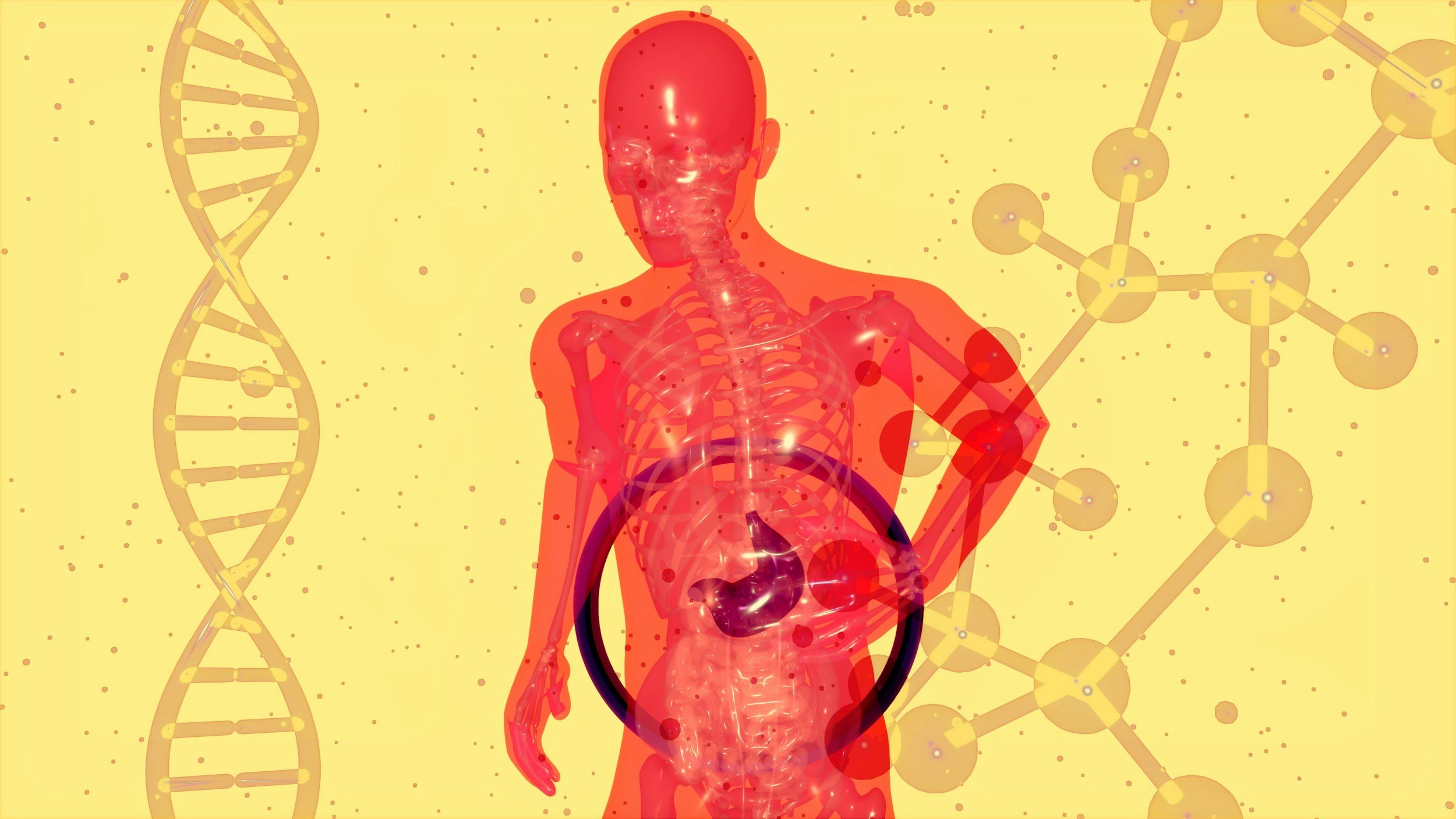
If you have been dealing with recurring BV, yeast infections, or chronic vaginal imbalance and nobody has ever asked you about your gut health this post is going to change how you think about your body entirely.
The gut and the vagina are not separate, isolated systems operating independently of each other. They are in constant, bidirectional communication sharing bacterial populations, immune signals, hormonal influences, and inflammatory messengers that travel throughout the body. What happens in your gut does not stay in your gut. And for millions of women, the missing piece of their recurring vaginal health puzzle is living in their digestive system.
This is the gut-vaginal axis one of the most exciting and clinically important areas of women's health research and it is almost never discussed in a standard gynecology appointment.
What Is the Gut Microbiome?
Your gut microbiome is the vast community of trillions of microorganisms bacteria, fungi, viruses, and other organisms that live in your digestive tract, primarily in the large intestine. This community is staggeringly complex: a healthy gut microbiome contains over 1,000 different bacterial species, weighs approximately 2–5 pounds, and contains more genetic material than the rest of your body combined.
The gut microbiome performs essential functions that your body cannot perform without it:
Digesting food breaking down complex carbohydrates, fibers, and other compounds your own enzymes cannot process
Producing vitamins including vitamin K, B12, and several B vitamins
Training and regulating the immune system approximately 70–80% of your immune system lives in and around your gut
Producing neurotransmitters including approximately 90% of your body's serotonin, which regulates mood, sleep, and anxiety
Metabolizing hormones including estrogen, through a specific set of gut bacteria called the estrobolome
Protecting against pathogens through competitive exclusion, antimicrobial compound production, and immune activation
When the gut microbiome is balanced and diverse, all of these functions operate well. When it is disrupted a state called gut dysbiosis the consequences ripple throughout the body in ways that are only beginning to be fully understood.
The Estrobolome: Your Gut's Role in Hormonal Balance
This is the connection that most directly links gut health to vaginal health and it is one of the most underappreciated concepts in women's health.
The estrobolome is the collection of gut bacteria that metabolize estrogen. Here is how it works: your liver processes estrogen and packages it for excretion. It travels to the gut, where estrobolome bacteria produce an enzyme called beta-glucuronidase that reactivates some of this estrogen, allowing it to be reabsorbed into circulation rather than fully excreted.
The estrobolome essentially acts as a regulator of circulating estrogen levels. When the estrobolome is healthy and balanced, estrogen metabolism and recirculation are optimal. When gut dysbiosis disrupts the estrobolome either reducing beta-glucuronidase activity (leading to lower circulating estrogen) or increasing it excessively (leading to estrogen dominance) the consequences for hormonal balance are significant.
For vaginal health specifically: lower circulating estrogen from a disrupted estrobolome reduces the estrogen available to support Lactobacillus dominance in the vaginal microbiome. Less estrogen means less glycogen in vaginal cells, less food for Lactobacillus, declining protective bacteria, rising pH, and an environment increasingly hospitable to BV-causing organisms.
This is a direct, documented pathway from gut dysbiosis to vaginal dysbiosis mediated entirely through estrogen metabolism.
How Gut Bacteria Populate the Vaginal Microbiome
Beyond the hormonal pathway, there is a more direct anatomical connection between gut and vaginal bacterial communities: physical proximity and bacterial migration.
The Lactobacillus species that dominate a healthy vaginal microbiome including L. crispatus, L. jensenii, and L. iners are also found in the gut. Research has shown that vaginal Lactobacillus populations are partly seeded and replenished from gut and perianal bacterial sources. The anatomical proximity of the anus and vagina means that gut bacteria regularly migrate toward the vaginal area for better or worse.
When gut Lactobacillus populations are robust, this migration helps maintain vaginal Lactobacillus dominance. When gut Lactobacillus is depleted by antibiotic use, poor diet, chronic stress, or illness the vaginal microbiome loses one of its natural replenishment sources.
Conversely, gut pathogens including E. coli (the primary bacteria behind aerobic vaginitis), Enterococcus, and Group B Streptococcus can also migrate from gut to vaginal area, contributing to vaginal infections when they overgrow. This is part of why wiping front to back, dietary choices that support beneficial gut bacteria over pathogenic ones, and gut microbiome health all matter for vaginal infection prevention.
Leaky Gut, Systemic Inflammation, and BV
Intestinal permeability commonly called "leaky gut" occurs when the tight junctions between intestinal cells become compromised, allowing bacterial products (including lipopolysaccharides from gram-negative bacteria like E. coli and Gardnerella) to enter the bloodstream and trigger systemic immune responses.
Systemic inflammation from leaky gut:
Activates the HPA stress axis, raising cortisol levels which as we covered in our stress and BV post, directly suppresses estrogen and Lactobacillus dominance
Disrupts immune regulation in mucosal tissues including the vagina
Contributes to the chronic low-grade inflammatory state that makes BV harder to clear and more likely to recur
Leaky gut is worsened by the same dietary and lifestyle factors that worsen BV: high sugar diets, excess alcohol, chronic stress, antibiotic overuse, and low fiber intake. The overlap is not coincidental these are whole-body disruptors that damage multiple interconnected systems simultaneously.
Signs Your Gut Health May Be Affecting Your Vaginal Health
You may be experiencing gut-vaginal axis disruption if you notice:
Recurring BV or yeast infections that coincide with digestive symptoms bloating, irregular bowel movements, gas, or discomfort
BV or yeast infections following courses of antibiotics for gut or systemic infections
Chronic digestive complaints alongside chronic vaginal complaints the two systems being disrupted simultaneously by the same underlying dysbiosis
Mood instability, brain fog, or anxiety alongside vaginal health issues reflecting both gut-brain axis and estrobolome disruption
Worsening vaginal symptoms after high-sugar, high-alcohol, or highly processed dietary periods
What Supports Both Gut and Vaginal Health Simultaneously
The interventions that benefit gut health most reliably also benefit vaginal health because they address the shared mechanisms:
1. Increase dietary fiber
Fiber feeds beneficial gut bacteria particularly the Bifidobacterium and Lactobacillus species that support both gut and vaginal health. Aim for 25–35 grams of fiber daily from vegetables, legumes, whole grains, and fruits. Prebiotic fibers found in garlic, onions, leeks, asparagus, bananas, and oats specifically feed beneficial bacteria.
2. Incorporate fermented foods
Fermented foods including plain yogurt with live cultures, kefir, sauerkraut, kimchi, miso, and tempeh introduce live beneficial bacteria into the gut microbiome. A landmark Stanford study published in Cell in 2021 found that a diet high in fermented foods significantly increased gut microbiome diversity and reduced inflammatory markers the two outcomes most supportive of both gut and vaginal health.
3. Take a targeted probiotic
For vaginal health specifically, the two most clinically studied strains are Lactobacillus rhamnosus GR-1 and Lactobacillus reuteri RC-14 available in products like RepHresh Pro-B and Jarrow Fem-Dophilus. These strains have been shown in randomized controlled trials to colonize the vaginal microbiome when taken orally, working through the gut-vaginal axis to restore and maintain Lactobacillus dominance.
For gut health more broadly, strains including Bifidobacterium longum, B. infantis, and Lactobacillus acidophilus support intestinal microbiome diversity and barrier function.
4. Reduce sugar and refined carbohydrates
Sugar directly feeds pathogenic gut bacteria including Candida and by extension feeds the vaginal yeast and BV-associated bacteria that share similar nutritional preferences. Reducing refined sugar is one of the highest-leverage dietary changes for both gut and vaginal health simultaneously.
5. Reduce alcohol
Alcohol disrupts gut barrier function, reduces gut microbiome diversity, and raises systemic inflammation all of which have downstream consequences for vaginal health through the pathways described above.
6. Protect your gut during and after antibiotics
Every antibiotic course depletes gut Lactobacillus alongside its target bacteria. During and after antibiotic treatment for any condition taking a high-quality probiotic (starting during treatment and continuing for at least 4 weeks after) helps restore gut bacterial balance and, through the gut-vaginal axis, supports vaginal microbiome recovery.
Frequently Asked Questions
Can I improve my vaginal health by only focusing on my gut?
Gut health is one important piece but not the only one. Vaginal health requires a comprehensive approach including topical pH management, targeted vaginal probiotics, appropriate medical treatment when infection is present, and lifestyle factors. Gut health optimization supports the whole system but cannot replace targeted vaginal care.
How long does it take to improve the gut microbiome?
Research suggests measurable gut microbiome changes can occur within 3–4 days of significant dietary changes though building durable, stable improvements takes weeks to months of consistent dietary and lifestyle investment.
Does eating yogurt help BV?
Eating plain, live-culture yogurt supports gut Lactobacillus populations which may have downstream benefits for vaginal health through the gut-vaginal axis. However, it is not a treatment for active BV and is not equivalent to taking clinically studied vaginal probiotic strains.
“This article is based on current medical guidance and research from the following trusted sources:”
Resources & Sources
Stapleton, A.E. (2016).- The vaginal microbiota and urinary tract infection. Microbiology Spectrum.
Sonnenburg, J., et al.-(2021). Gut-microbiota-targeted diets modulate human immune status. Cell.
Baker, J.M., et al. (2017). -Estrogen-gut microbiome axis. Maturitas.
National Institutes of Health (NIH)- Human Microbiome Project: hmpdacc.org
American College of Gastroenterology: gi.org
Mayo Clinic- Gut Health: mayoclinic.org
Have you ever noticed a connection between your gut symptoms and your vaginal health? Share in the comments more women are making this connection than you might think.
Author
Becky Freeman is the founder of BVTalks®. She focuses on women’s intimate health, vaginal microbiome education, and creating practical, easy-to-understand content for everyday care.
Disclaimer: This post is for educational purposes only and is not a substitute for professional medical advice. Always consult your healthcare provider for diagnosis and treatment.
