

Avoid The Top 10 Vaginal Health Mistakes
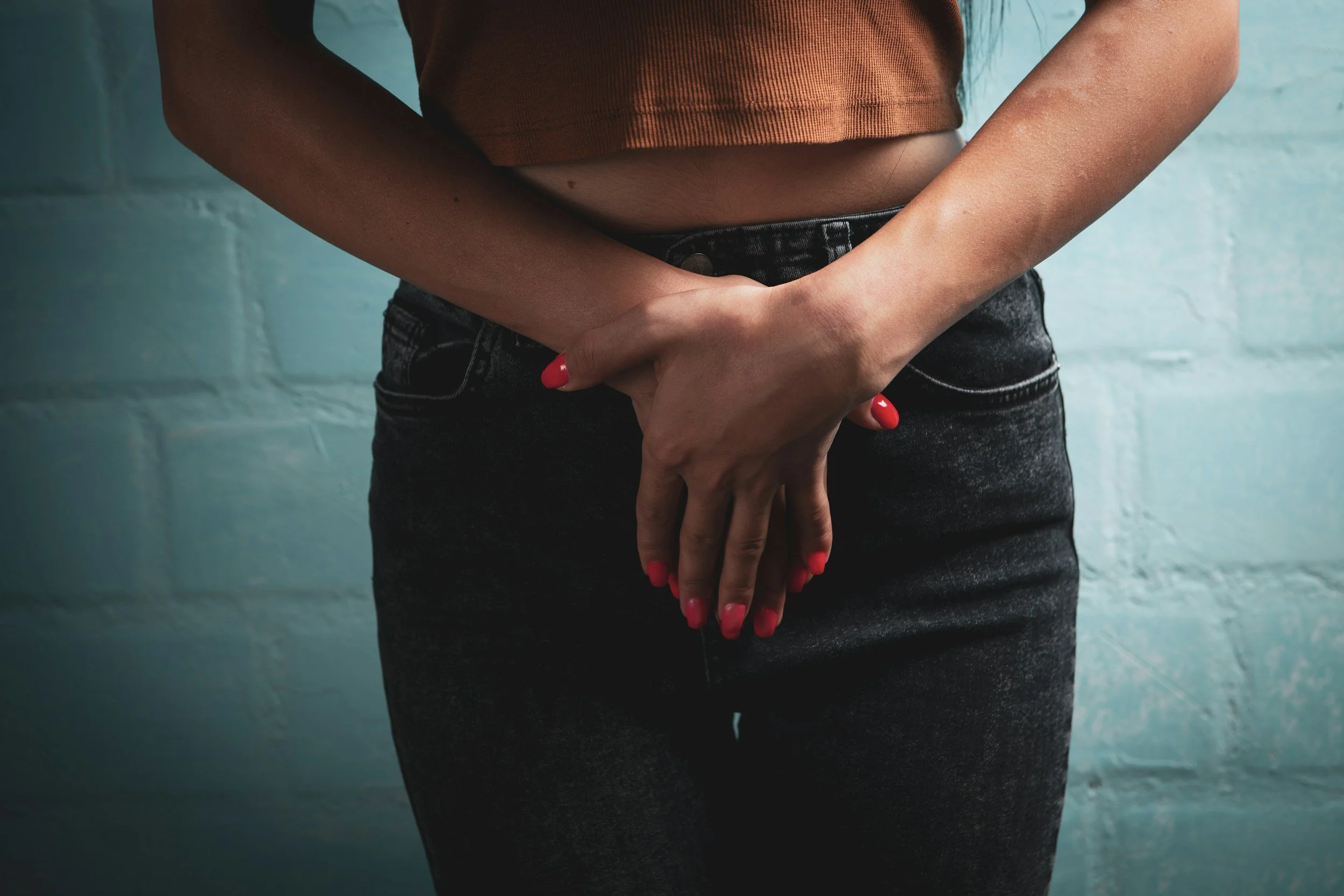
Good hygiene and a healthier lifestyle can have a positive impact on vaginal health. You want to make sure to keep your vaginal health in mind as it can negatively affect it. 6
If you have a vagina, you may experience vaginal problems at some point in your life. An infection or a change in the normal balance of vaginal yeast and bacteria can cause inflammation of the vagina (vaginitis). Normally, the vagina maintains a healthy balance of yeast and bacteria, but certain factors can disrupt this balance. 5, 16
Showering, like soap, can irritate and kill these beneficial bacteria, leaving your vagina more vulnerable to infection. In order not to disturb the balance of good bacteria in the vagina, you should avoid washing. This certainly includes douching, which can change the pH of your vagina and lead to irritation and infection. Vaginal Washing It is recommended to avoid scented soaps, gels and antiseptics as scented soaps can upset the healthy balance of bacteria and pH levels in the vagina and cause irritation. 2, 12, 4, 1
When you use soap, spray, or gel or even water to wash your vagina, you upset the bacterial balance. Frequent washing of the intimate area with regular soap and intimate hygiene products can make the area dry and itchy, ultimately increasing the chance of infection. Another feminine hygiene mistake you can make is cleaning the vaginal area with soap or body wash. 2, 15, 6
Practicing feminine hygiene will help you stay dry and cool, preventing the risk of vaginal infections. Taking good care of your health every day can help keep your vagina in good shape, says Dr Susie Elneil, consultant urogynaecologist at University College London Hospital and spokesperson for Women's Wellbeing. In addition to comfort, keeping your vagina clean and healthy can keep you from many health complications. Avoiding things that can change your vagina's natural balance or cause irritation is the best way to keep your vagina healthy. 0, 1, 7, 11
In general, anything that changes the chemical balance in the vagina can lead to vaginitis. Allergic reactions or sensitivities to various foods, materials, or activities can also cause vaginitis. Sex can also lead to vaginitis if you are allergic or sensitive to certain types of lubricants, condoms, or sex toy materials. 11
Vaginal dryness, which usually occurs after menopause, can also cause pain during intercourse. If the skin around the vaginal opening loses its elasticity, sex can become more painful. The loss of estrogen can cause the lining of the vagina to thin (vaginal atrophy), making intercourse painful. 16, 12
Frequent rubbing or roughening during vaginal intercourse can cause inflammation and discomfort if the vaginal mucosa is irritated. While women are encouraged to perform pelvic floor exercises, postmenopausal women with vaginal dryness may find it actually makes the situation worse. Using antibiotics can lead to a yeast infection, which can lead to vaginal inflammation, swelling, and itching. 11, 12, 9
For example, a vaginal yeast infection is a common fungal infection caused by an overgrowth of yeast. While most yeast infections are mild, some people can develop a serious infection that causes redness, swelling, and rupture of the vaginal walls. In addition to factors that affect vaginal health, many women of all ages experience vaginal odor and vaginal yeast infections, some serious and others less so. Vaginal infections can have a variety of causes, including bacterial and fungal overgrowth in the vagina, as well as irritants such as soaps, body washes, and perfumes. 7, 5, 9, 15
You may not need to see a doctor every time you experience vaginal irritation and discharge, especially if you have been diagnosed with a vaginal yeast infection in the past and have similar signs and symptoms. If this is your first time experiencing these symptoms, it's important to see a doctor to get an official diagnosis and rule out other possibilities, especially since studies show that two out of three people actually buy antifungal drugs to treat a vaginal yeast infection. Available. 16, 5
Although not all vaginal problems can be prevented, regular checkups can help diagnose problems affecting the vagina as soon as possible. From affecting sex drive to fertility and the ability to achieve orgasm, neglecting vaginal health can have negative consequences. However, every woman should be aware of the signs and symptoms of vaginal problems and take important steps to ensure vaginal health. wrong side - the risk of vaginal infections. If you plan to do this in a salon, beware of used products that may contain chemicals and tools that can be used without cleaning. Last but most importantly, don't ignore any signs and symptoms of vaginal infections. 16, 8
There is no evidence that washing can protect you from STIs or vaginal infections. Feminine hygiene products such as scented wipes, vaginal deodorants, or scrubs are not recommended to maintain vaginal health. There's no evidence that showering prevents STDs or vaginal infections, and may even increase your risk. According to D. Pratima Tamke, a gynaecologist at Pune Maternity Hospital, douching is the most common mistake women make when it comes to maintaining vaginal hygiene. 8, 1, 3
“Washing and rinsing the vagina and vulva too thoroughly upsets the pH balance in these areas and makes you more vulnerable to yeast infections and bacterial vaginosis,” explained Dr. Cody Viner. Strongly scented soaps or detergents can change the natural pH balance of the vagina, and the same goes for scented vaginal wipes and vaginal deodorants. 13, 10
Do not ignore vaginal itching or pain in the vaginal area, as this could be a sign of an underlying health condition. Most women are reluctant to go to the gynecologist with genital infections or diseases such as ringworm, pubic lice, vaginal dryness or itching. Certain factors such as antibiotics, pregnancy, uncontrolled diabetes, or a weakened immune system (even from stress) can upset the balance of bacteria in the vagina, causing yeast to multiply. 8,
About the Author
Becky Freeman is the founder of BVTalks® and Bee Vee Clean. She focuses on women’s intimate health, vaginal microbiome education, and creating practical, easy-to-understand content for everyday care.
Medical Disclaimer
This content is for educational purposes only and is not intended to diagnose, treat, cure, or prevent any condition. It should not be used as a substitute for professional medical advice, diagnosis, or treatment. Always consult a licensed healthcare provider if you have questions about your health or symptoms.
