

Essential Health Screenings for Women 18–55
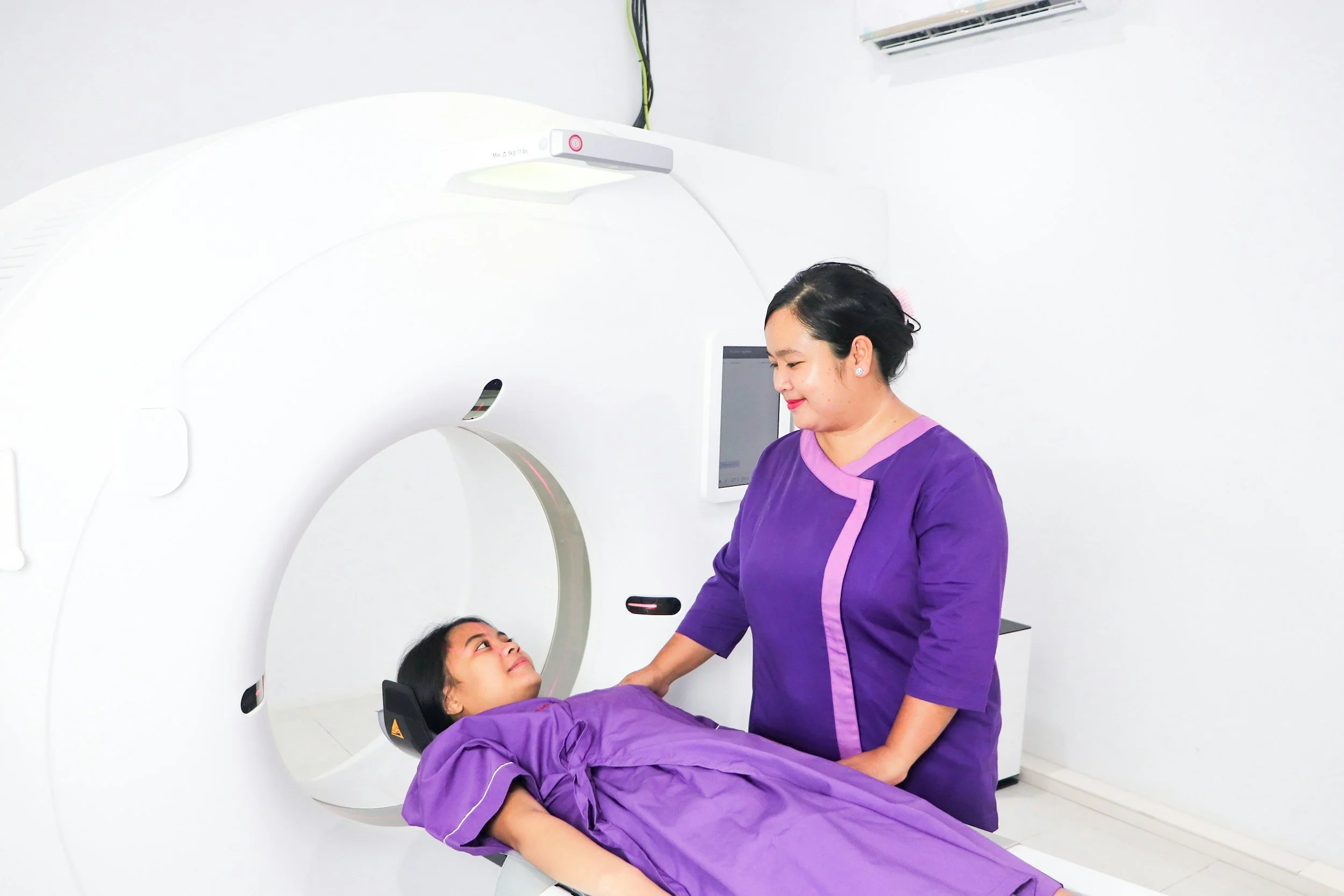
Routine health screenings might not be glamorous, but they are one of the most powerful tools you have to stay healthy between ages 18 and 55. Think of them as your body’s regularly scheduled maintenance: they help catch problems early, track changes over time, and give you and your healthcare provider a clear picture of how well your heart, hormones, metabolism, and reproductive system are doing. For women in this age range, following a simple screening roadmap can significantly reduce the risk of heart disease, certain cancers, and chronic conditions like diabetes and osteoporosis.
This guide breaks down essential health screenings for women 18–55 by age, explains why each test matters, and shows you how often they should be done. The goal is not to turn you into a walking checklist, but to equip you with a practical plan you can take to your next appointment and say, “What’s my status on all of these?”
Ages 18–24: Laying the Foundation
The late teens and early twenties are about building your foundation. Even if you feel completely healthy, screenings during these years establish baseline numbers and start key preventive care.
General Check‑ups and Vital Signs
Most guidelines recommend that healthy adults have a periodic well‑woman visit with a healthcare provider at least once every one to two years to review history, lifestyle, and do a physical exam. At these visits, your provider will usually:
Check blood pressure to screen for hypertension, which can start silently even in young adults
Measure height, weight, and BMI to monitor for overweight or obesity, which are risk factors for diabetes and heart disease
If your blood pressure is normal (below 120/80), many recommendations say it should be rechecked at least every 3–5 years, but most practices check it at every visit because it’s quick and important.
Sexual Health and Cervical Screening
If you are sexually active, sexually transmitted infection (STI) screening is one of the most important pieces of preventive care
Chlamydia and gonorrhea: The USPSTF recommends screening all sexually active women under 25 and women 25 or older who have risk factors like new partners, multiple partners, or a partner with an STI
HIV: At least one HIV test is recommended for everyone between 15 and 65, with repeat testing for those with ongoing risk
Syphilis and other STIs: Screen based on risk factors such as multiple partners, unprotected sex, or certain community prevalence
Cervical cancer screening usually begins at age 21. For women 21–29, the standard is a Pap test every 3 years if results are normal. HPV testing is generally not used as a primary screening tool in this age group unless Pap results are abnormal
Vaccines
Young adult women should also ensure key vaccines are up to date:
HPV vaccine: Recommended for everyone up to age 26 who wasn’t fully vaccinated earlier, to protect against cervical and other HPV‑related cancers
Tdap (tetanus, diphtheria, pertussis): One dose in adulthood, then tetanus boosters every 10 years
Annual flu shot and any COVID‑19 vaccinations per current guidance
From 25 into the mid‑30s, cervical cancer and early metabolic disease screening become more central.
Cervical Cancer Screening
For women ages 25–29, Pap alone every 3 years remains the standard. From age 30 onward (still within this band), you have more options:
Pap alone every 3 years, or
HPV test alone every 5 years, or
Pap + HPV co‑testing every 5 years
All of these combinations are considered acceptable as long as tests remain normal; your provider will recommend the best option for you based on your personal and clinic protocols.
Cholesterol and Blood Sugar
Even healthy women should have their cholesterol checked at least once in early adulthood. The American Heart Association suggests starting cholesterol screening by age 20 and repeating every 4–6 years if results are normal. Abnormal results, family history of heart disease, or conditions like hypertension may require more frequent monitoring
Diabetes screening is usually recommended starting by age 35 if you are overweight or have other risk factors, but many clinicians screen earlier if you have conditions like PCOS, a strong family history, or elevated blood pressure. Tests include fasting glucose or HbA1c
Mental Health and Safety
For women of all ages including 25–34 depression and anxiety screening is recommended regularly, as well as screening and counseling for intimate partner violence. These screenings are typically questionnaire-based and can be done during routine visits. Addressing mental health early is as preventive as checking blood pressure.
Ages 35–44: Heart Health and Breast Awareness
In the late 30s and early 40s, heart disease risk factors and breast health deserve more structured attention.
Blood Pressure, Cholesterol, and Diabetes
Hypertension, high cholesterol, and insulin resistance become more common in this decade, especially for women with prior pregnancy complications like preeclampsia or gestational diabetes. Continue:
Blood pressure checks at every visit or at least every 1–2 years.
Cholesterol and diabetes screening every 3–5 years, or more often if earlier tests were borderline
Breast Health
Routine mammography usually begins around age 40 for average‑risk women:
Women’s Preventive Services Initiative (WPSI) and USPSTF recommend starting mammograms no earlier than 40 and no later than 50, then continuing at least every 2 years through age 74
Many organizations suggest biennial (every 2 years) screening for women 40–74, while others allow annual screening based on preference and risk
Clinical breast exams during routine visits and self‑awareness of breast changes (lumps, skin dimpling, nipple changes) are also important, especially if you have a family history of breast cancer
STI Screening and Sexual Health
Even in this age group, sexually active women with new or multiple partners should continue periodic screening for chlamydia, gonorrhea, HIV, and other STIs based on risk. Risk doesn’t disappear with age; screenings adjust as your life circumstances change.
Ages 45–55: Cancer Screening Strategy and Menopause Transition
From mid‑40s onward, many women enter perimenopause, and major cancer screenings like colorectal and continued breast screening become standard.
Colorectal Cancer Screening
For average‑risk adults, most guidelines now recommend starting colorectal cancer screening at age 45. Options include:
Colonoscopy every 10 years,
Annual FIT stool tests,
Stool DNA tests (like Cologuard) every 3 years, or
Other approved methods based on availability and preference
Higher‑risk women (family history of colorectal cancer, certain genetic syndromes, long‑standing inflammatory bowel disease) may start screening earlier or at shorter intervals; this should be discussed with a provider
Ongoing Breast Screening
Between 45 and 55, breast cancer screening typically continues:
The American Cancer Society advises annual mammograms from 45–54, then every 2 years from 55 onward if healthy
USPSTF recommends biennial mammograms from 40–74
If you have dense breast tissue or a strong family history, your provider may discuss supplemental imaging such as ultrasound or MRI, but the evidence for routine use in average‑risk women is still evolving
Continued Cervical Cancer Screening
Cervical cancer screening continues through this decade:
Ages 30–65: Pap every 3 years, HPV every 5 years, or co‑testing every 5 years
Many women can stop screening after 65 if they have had adequate negative tests and no history of high‑grade lesions or cervical cancer
If you have had a hysterectomy that removed the cervix for non‑cancer reasons, you may no longer need Pap tests; your provider will clarify
Bone Health and Osteoporosis Risk
While universal osteoporosis screening with DEXA scans is usually recommended from age 65 onward, women 50–64 with risk factors (low body weight, parental hip fracture, smoking, excessive alcohol use, long‑term steroid use, early menopause) may warrant earlier evaluation. Discuss your fracture and bone health risk with your provider, especially if you have had low‑trauma fractures
Urinary Incontinence and Pelvic Floor
Urinary incontinence becomes more common as women age and after childbirth. The Women’s Preventive Services Initiative recommends screening all women 18 and older for urinary incontinence annually, with further evaluation if symptoms are present. Simple questions about leakage with coughing, sneezing, or urgency during visits can prompt referrals to pelvic floor physical therapy or urogynecology before symptoms significantly impact quality of life.
Vaccines Across Ages 18–55
Vaccines are a key component of preventive health screenings for women:
Annual influenza vaccine for everyone
COVID‑19 vaccines and boosters per current guidance.
Tdap and tetanus booster every 10 years
HPV vaccine up to age 26 (and in some cases through 45 after shared decision‑making)
Certain vaccines in specific situations (e.g., hepatitis B, hepatitis A, pneumococcal vaccine, shingles vaccine) based on age and risk
Your provider can review your immunization record and suggest updates.
Personalized Risk: Why “Average‑Risk” Doesn’t Fit Everyone
Most screening schedules above are designed for women at average risk. Your individual risk can change recommendations in several ways:
Family history of breast, ovarian, colon, or uterine cancer may require earlier and more frequent screening or genetic counseling for BRCA mutations
A history of gestational diabetes, preeclampsia, or preterm birth increases long‑term cardiovascular and metabolic risk, warranting closer follow‑up
Conditions like PCOS, obesity, autoimmune disease, or HIV affect screening pace and type
This is why guidelines emphasize shared decision‑making: they provide a baseline, but your provider adjusts them based on your story.
Making Preventive Screenings Work in Real Life
Knowing which screenings are recommended is one thing; making them happen regularly is another. A few practical strategies:
Pick a “health month” each year and book all your preventive appointments Pap, mammogram, labs, physical exam during that month so they cluster and are easier to remember.
Use your patient portal to track when you last had each test; many portals now automatically track Pap, mammogram, colonoscopy, and vaccines
Bring a printed checklist (or notes on your phone) to your visit and ask: “Which of these am I up‑to‑date on, and which ones are due?” This makes your preventive care plan explicit.
Schedule follow‑ups before you leave the office, not “sometime later” that one change dramatically improves adherence.
Preventive screenings for women 18–55 are about small, periodic actions that add up to big long‑term protection. With a simple plan and a provider who knows your history, you are not guessing about your health you are actively steering it.
“This article is based on current medical guidance and research from the following trusted sources:”
Resources and Sources
This article is based on current preventive care guidelines and reputable medical organizations, including:
Women’s Preventive Services Initiative (WPSI) Well‑Woman Chart and clinical summary tables for recommended screenings and vaccines across the lifespan
U.S. Preventive Services Task Force (USPSTF) A and B Recommendations for adult women (Pap/HPV screening, breast and colorectal cancer screening, STIs, blood pressure, cholesterol, diabetes)
HealthCare.gov / HRSA women’s preventive services and Affordable Care Act coverage for Pap tests, mammograms, contraception, and vaccines
MedlinePlus and American Academy of Family Physicians (AAFP) adult preventive health care schedules for women 18–39 and 40–64
American Cancer Society early detection guidelines for breast and colorectal cancer
CDC and other public health resources for cardiovascular risk, cholesterol screening, and adult vaccination schedules
Author
Becky Freeman is the founder of BVTalks® and Bee Vee Clean. She focuses on women’s intimate health, vaginal microbiome education, and creating practical, easy-to-understand content for everyday care.
Disclaimer
This article is for education only and is not a substitute for personal medical advice. Always talk to your own clinician about your symptoms and treatment options.
