
Period Poverty: The Struggle Nobody Talks About
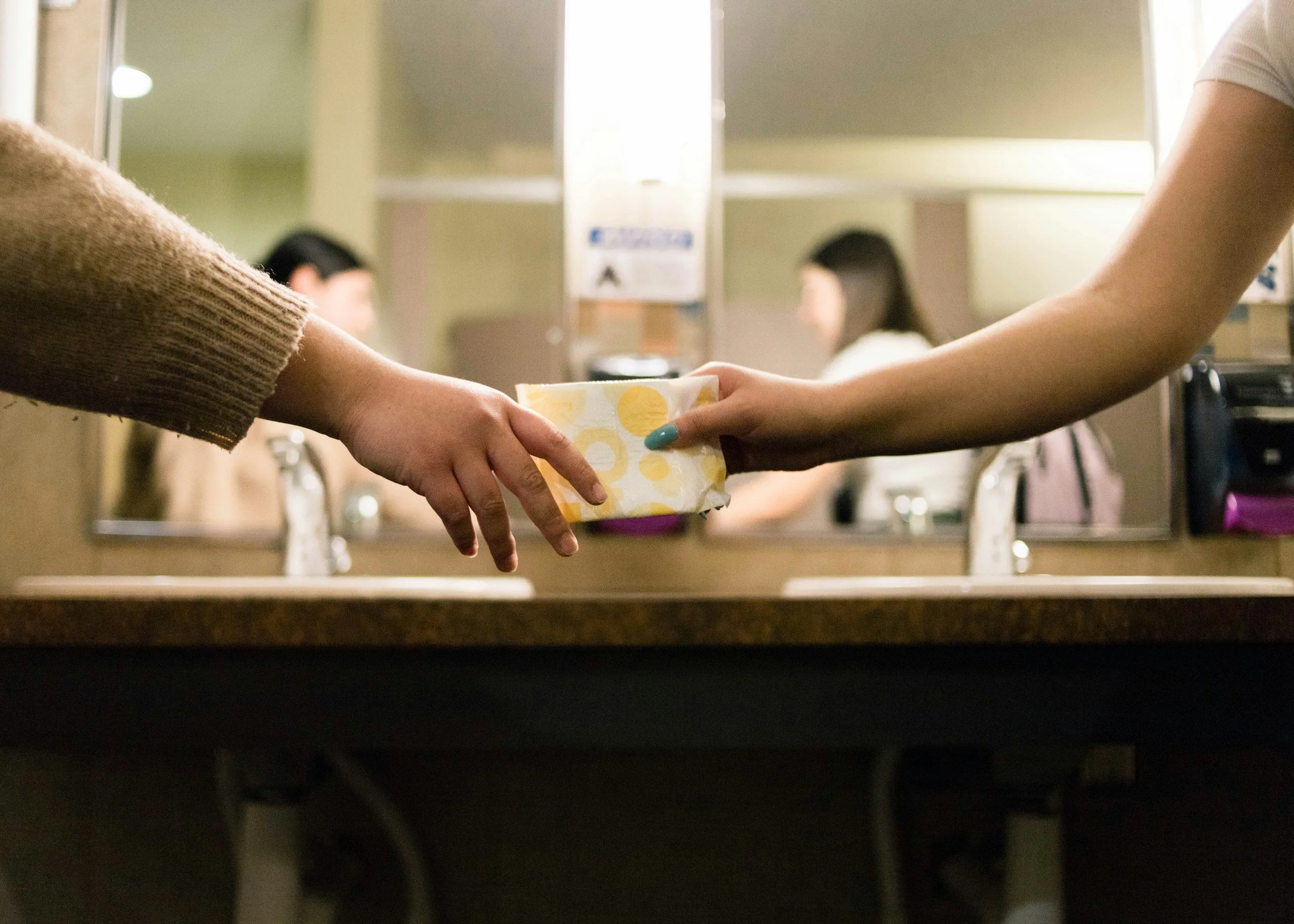
She stuffs toilet paper into her underwear before school because she cannot afford a pad. She skips class on the heaviest days because she has nothing to manage her flow. She chooses between buying food and buying tampons. She uses a single pad for an entire day not because she does not know better, but because she cannot afford to use another one. She is not a statistic in a developing country. She is a teenager in Minneapolis. She is a single mother in Atlanta. She is a college student in Houston. She is your neighbor.
Period poverty is the inability to afford or access menstrual products, combined with the lack of education, sanitation, and support systems needed to manage menstruation with dignity. It is happening in every city, every state, and every country in the world including the wealthiest ones. And it is almost never talked about, because periods are still treated as something shameful and private, and poverty is still treated as something shameful and personal. This post refuses both of those premises.
hat Period Poverty Actually Means
Period poverty is not just about tampons and pads. It is a layered problem that includes:
Lack of access to menstrual products: not being able to afford or obtain pads, tampons, menstrual cups, or other products needed to manage menstruation.
Lack of access to clean water and sanitation: without clean water and private, safe bathroom facilities, even having products is not enough to manage a period with hygiene and dignity.
Lack of menstrual health education: not knowing what a period is, why it happens, or how to manage it safely and hygienically.
Menstrual stigma: the cultural shame, silence, and taboo surrounding periods that prevents women and girls from seeking help, talking openly about their needs, or accessing support without humiliation.
All four of these elements exist in the United States in 2026. Period poverty is not a problem that happens somewhere else.
The Numbers
The scale of period poverty is significant and consistently underreported because of the stigma that surrounds it. What the data shows:
A 2019 study published in Obstetrics & Gynecology found that nearly two-thirds of low-income women in the United States could not afford menstrual products in the past year.
The same study found that one in five teenagers in the United States struggles to afford period products, and many miss school as a result.
A period costs the average woman an estimated $150 to $300 per year in menstrual products alone a significant burden for anyone living at or near the poverty line.
Homeless women face a particularly acute crisis menstrual products are one of the most requested and least donated items at women's shelters across the country, yet they are rarely covered by food assistance programs.
In many states, menstrual products are still taxed as luxury items the so-called "tampon tax" making them more expensive for the women who can least afford them.
Who Is Most Affected
Period poverty does not affect all women equally. It lands hardest on:
Teenagers and Young Women
Girls who cannot manage their periods at school miss an average of one to two days of school per cycle which adds up to weeks of missed education per year, contributing to academic gaps and dropout risk. The shame of leaking in class, of not having products, of being visibly unprepared is a powerful and lasting force that keeps many girls home when they should be learning.
Women Experiencing Homelessness
For women without stable housing, every aspect of managing a period is harder. No private bathroom. No storage for products. No money for supplies. Makeshift solutions newspaper, rags, cardboard are not just uncomfortable; they create real health risks including infection, toxic shock syndrome risk from improvised tampons, and skin breakdown.
Incarcerated Women
Women in jails and prisons frequently report inadequate or humiliating access to menstrual products being given a limited number of pads that do not last the duration of a period, having to ask male guards for products, or being required to purchase products from commissary with money most incarcerated women do not have. This is one of the most invisible and most dehumanizing dimensions of period poverty.
Low-Income Working Women and Mothers
The woman working two minimum wage jobs, stretching every dollar, making impossible choices food, diapers, utilities, or period products represents a significant and invisible portion of those affected by period poverty. She is not asking for help because asking means admitting she cannot manage, and the shame built into both poverty and menstruation makes that admission feel unbearable.
Women of Color
Period poverty intersects directly with racial and economic inequality. Black, Indigenous, and Latina women face disproportionately higher rates of poverty in the United States, and therefore face disproportionately higher rates of period poverty. Menstrual stigma also operates differently across cultural contexts, adding additional barriers to seeking help or accessing resources.
The Health Consequences
Period poverty is not just a dignity issue. It is a health issue.
Infection and Toxic Shock Syndrome
Using improvised products or using real products for far longer than is safe creates conditions for bacterial growth and infection. Toxic shock syndrome (TSS), though relatively rare, is a potentially life-threatening condition associated with leaving tampons or other products in place too long. Women managing periods with unsafe alternatives face elevated infection risk.
Reproductive Health Neglect
Women experiencing period poverty are often the same women without health insurance, without access to regular gynecological care, without the ability to address abnormal bleeding, painful periods, or other menstrual health concerns. Period poverty exists within a broader context of healthcare inaccessibility that compounds its harm.
Mental Health Impact
The stress, shame, and anxiety of not being able to manage a basic bodily function with dignity has real mental health consequences particularly for adolescent girls whose sense of self and belonging is already fragile. Studies have linked period poverty with higher rates of anxiety, depression, and school avoidance in teenage girls.
Missed School and Work
This is the most documented and most concrete consequence. Girls miss school. Women miss work. Careers and educations are shaped, in measurable ways, by inadequate access to period products. This is not a minor inconvenience. It is an ongoing, systemic drain on women's economic and educational potential.
The Tampon Tax
In the United States, sales tax policy is determined at the state level and for decades, most states taxed menstrual products as non-essential luxury items while exempting products like prescription medications, groceries, and in many states, items like Rogaine, dandruff shampoo, and Viagra.
The argument that tampons and pads are luxury items has always been absurd. Menstruation is not optional. The products needed to manage it are not luxury goods.
Progress has been made: as of 2026, more than half of U.S. states have eliminated the tampon tax, with more in various stages of legislation. But in states where the tax remains, it functions as a direct financial penalty on people who menstruate disproportionately affecting those with the least money.
Eliminating the tampon tax is one of the simplest, most straightforward policy interventions available for reducing period poverty and the advocacy work of period poverty organizations has been instrumental in driving that change state by state.
Menstrual Stigma: The Invisible Barrier
Period poverty cannot be separated from period stigma the deep cultural discomfort, silence, and shame surrounding menstruation that makes the problem harder to see, harder to talk about, and harder to solve.
Think about how periods are discussed in whispers, with euphemisms, with apology. Think about the way menstrual products are sold in pink packaging, wrapped in individual plastic sleeves so they can be concealed from view, tucked discreetly into purse pockets and sleeves on the way to the bathroom. Think about the experience of asking a teacher or a boss for a tampon the lowered voice, the embarrassed exchange, the sense that you are disclosing something you should have managed better on your own.
This stigma has real, concrete consequences:
It prevents girls and women from asking for help when they need it.
It keeps period poverty invisible because women suffering from it are too ashamed to identify themselves as people who are struggling.
It prevents open policy conversations about period product access.
It allows governments to classify menstrual products as luxuries without public outcry.
It makes menstrual health education inadequate and shame-laden rather than matter-of-fact and empowering.
Ending period poverty requires ending period stigma. The two are inseparable.
What Is Being Done and What Still Needs to Happen
Policy Progress
Several countries Scotland, New Zealand, and others have introduced universal free period product programs ensuring products are available in schools, public buildings, and community spaces.
In the United States, the Menstrual Equity for All Act has been introduced in Congress multiple times, calling for free period products in schools, shelters, and federal prisons.
Many states and cities have passed legislation requiring free period products in public school bathrooms.
The tampon tax has been eliminated in a growing number of states.
Organizational Work
Organizations working specifically on period poverty in the United States include:
PERIOD a youth-led nonprofit focused on menstrual equity advocacy and product distribution.
Days for Girls providing sustainable menstrual kits and education globally and domestically.
Alliance for Period Supplies a national network supporting local organizations providing period products to those in need.
The Pad Project focused on education, advocacy, and product access.
What Individuals Can Do
Donate menstrual products to local shelters, food banks, and mutual aid organizations they are consistently among the most needed and least donated items.
Support menstrual equity legislation in your state contact your representatives, sign petitions, and vote for candidates who prioritize menstrual equity.
Talk about it openly normalizing period conversations in your community, your workplace, and your home is a meaningful act that chips away at the stigma making this problem invisible.
Include period products in back-to-school drives adding pads and tampons to the pencils and notebooks makes a concrete difference for students who cannot afford them.
Support period poverty organizations financially or through volunteer work.
A Note on Language and Inclusion
Period poverty affects not only cisgender women but also transgender men, nonbinary, and intersex individuals who menstruate and face the same access challenges often with additional barriers related to finding products in spaces and packaging that do not compound gender dysphoria. Menstrual equity advocacy is most effective and most just when it is inclusive of everyone who menstruates.
Why This Conversation Matters
Here is the bottom line: in the United States, the wealthiest country in the history of the world, women and girls are stuffing toilet paper into their underwear, missing school, missing work, developing infections, and living in quiet humiliation because they cannot afford to manage a completely natural, unavoidable biological process.
That is not acceptable. It is not inevitable. And it does not change until we stop treating it as something too embarrassing to discuss.
Talking about period poverty loudly, directly, without euphemism is an act of advocacy. Sharing this post is an act of advocacy. Donating a box of pads is an act of advocacy. Calling your state representative about the tampon tax is an act of advocacy.
Every one of those acts matters. And it starts with refusing to stay silent.
“This article is based on current medical guidance and research from the following trusted sources:”
Resources & Sources
PERIOD — National Menstrual Equity Organization:
periodmovement.org
Alliance for Period Supplies:
allianceforperiodsupplies.org
Days for Girls International:
daysforgirls.org
National Conference of State Legislatures — Tampon Tax State Tracker:
ncsl.org
Obstetrics & Gynecology — Period Poverty and Menstrual Equity Research (2019):
pubmed.ncbi.nlm.nih.gov
Office on Women's Health — Menstrual Health:
womenshealth.gov
Have you ever experienced period poverty, or do you know someone who has? Share in the comments — or share this post with someone who needs to read it. Breaking the silence is step one.
Author
Becky Freeman is the founder of BVTalks® and Bee Vee Clean. She focuses on women’s intimate health, vaginal microbiome education, and creating practical, easy-to-understand content for everyday care.
Disclaimer: This post is for educational purposes only and is not a substitute for professional medical advice. Always consult your healthcare provider for diagnosis and treatment.
