

Insulin Resistance in Women: Early Warning Signs
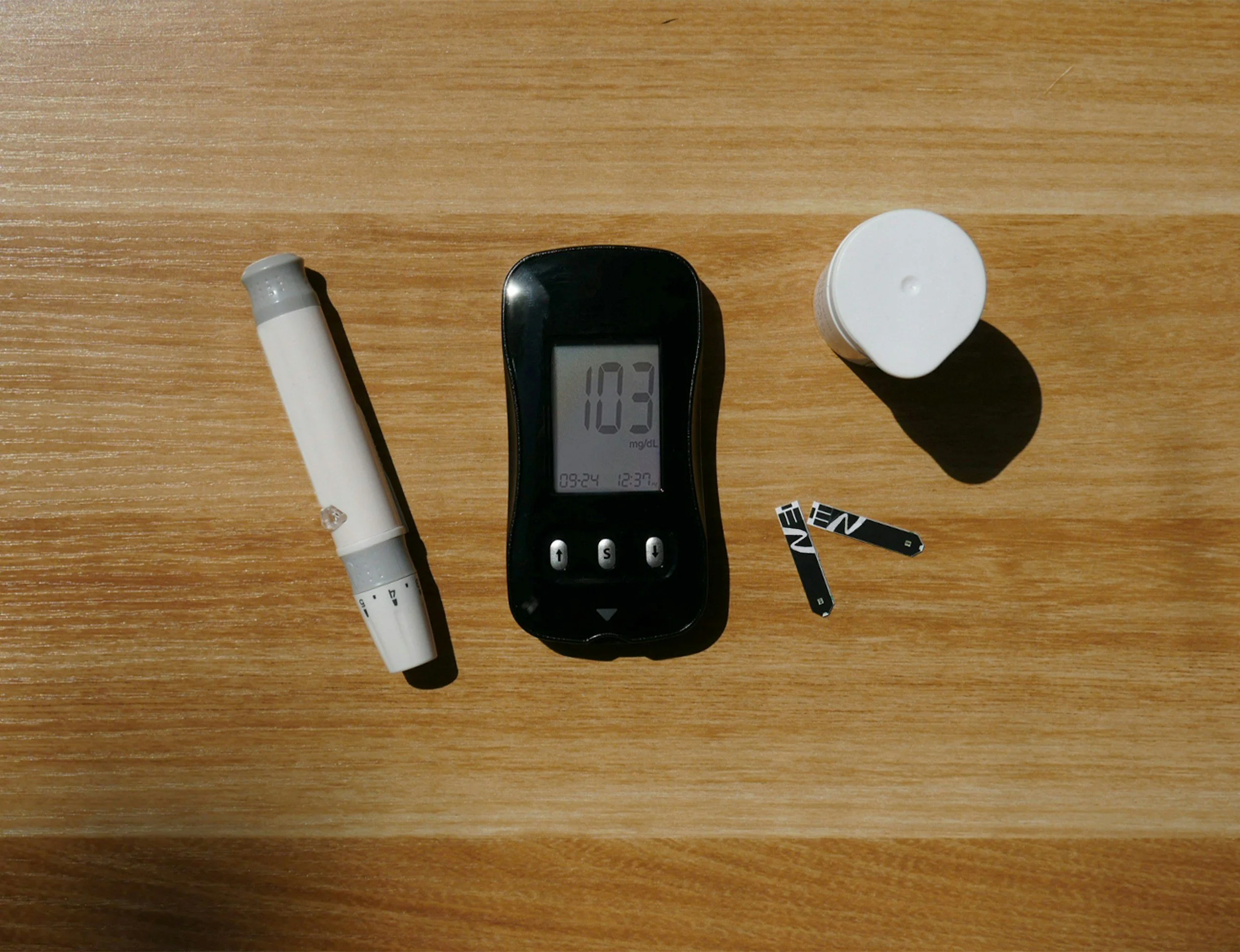
You are tired all the time. You are eating relatively well but the weight especially around your belly will not budge. You crave sugar and carbs constantly, and after you eat them you feel better for about twenty minutes before you crash hard. Your periods are irregular. You have been told your bloodwork looks "fine." And yet something clearly is not fine.
What nobody has connected for you yet might be insulin resistance a condition so common that experts estimate it affects more than 1 in 3 American adults, with women significantly underdiagnosed because the symptoms overlap with so many other things: thyroid issues, PCOS, depression, perimenopause, just being tired and busy.
Insulin resistance is not diabetes not yet. It is the long stage before diabetes where your body is silently struggling with blood sugar regulation, sending warning signals that are easy to miss or explain away. Catching it early is everything, because at this stage it is highly reversible. Understanding what it is, what it feels like, and what to do about it could genuinely change the trajectory of your long-term health.
What Insulin Resistance Actually Is
To understand insulin resistance, you need to understand what insulin does.
When you eat carbohydrates or sugar, your digestive system breaks them down into glucose the simple sugar your cells use for energy. That glucose enters your bloodstream, raising blood sugar. Your pancreas detects the rise and releases insulin, a hormone whose job is to act like a key unlocking the door of your cells so glucose can enter and be used for fuel.
In a healthy system, this works smoothly. Blood sugar rises after eating, insulin is released, cells absorb glucose, blood sugar comes back down, insulin levels drop.
Insulin resistance is what happens when your cells stop responding properly to insulin's signal. The key is still being made, but the lock has gotten stiff. To compensate, the pancreas produces more and more insulin trying to force the response. For a while, blood sugar stays controlled but at the cost of chronically elevated insulin levels. Eventually, if the resistance continues, the pancreas cannot keep up and blood sugar begins to rise first into the prediabetes range, then potentially into type 2 diabetes.
But the metabolic disruption happening during the insulin resistance phase before blood sugar is obviously elevated is already causing real symptoms and real hormonal damage. That is what this post is about.
Why Women Are Especially Vulnerable
Insulin resistance is not just a metabolic issue for women. It is a hormonal issue and it is deeply intertwined with the hormones that govern the menstrual cycle, fertility, weight, skin, and mood.
The PCOS Connection
Insulin resistance is the underlying driver in the majority of PCOS cases. Elevated insulin directly stimulates the ovaries to produce excess androgens testosterone and DHEA which disrupt ovulation, cause irregular periods, drive hormonal acne, promote excess body hair, and contribute to the difficulty losing weight that is so characteristic of PCOS.
Many women are diagnosed with PCOS without anyone explaining that insulin resistance is often at the root of it and that addressing insulin resistance is one of the most powerful interventions available for managing PCOS symptoms.
The Estrogen Connection
Fat tissue particularly the visceral fat that accumulates with insulin resistance produces estrogen. This can contribute to estrogen dominance: a relative excess of estrogen compared to progesterone that drives heavy periods, fibroids, endometriosis symptoms, breast tenderness, and mood disruption.
At the same time, the hormonal fluctuations of perimenopause declining estrogen and progesterone actually increase insulin resistance in midlife women, which is one reason why many women find their metabolism shifting significantly in their 40s even without major dietary changes.
The Cortisol Connection
As discussed in the cortisol post, chronic stress and elevated cortisol directly promote insulin resistance by chronically raising blood sugar and demanding constant insulin output. Stress, poor sleep, and insulin resistance create a reinforcing cycle that can be very difficult to interrupt without understanding all three pieces.
Early Warning Signs of Insulin Resistance
This is where awareness becomes life-changing. Insulin resistance rarely announces itself clearly. It shows up as a collection of symptoms that are easy to attribute to other things or to just being a tired, busy woman.
Persistent Fatigue Especially After Meals
One of the earliest and most common signs is feeling significantly tired or foggy after eating particularly after carbohydrate-heavy meals. When cells are resistant to insulin and not absorbing glucose efficiently, energy production suffers even when blood sugar is technically rising. The energy you just ate does not make it into your cells effectively, leaving you crashing an hour after eating.
Strong Carbohydrate and Sugar Cravings
When cells are not getting adequate glucose despite rising blood sugar, the brain sends strong hunger and craving signals particularly for fast-acting carbohydrates and sugar. This is not a lack of willpower. It is a physiological signal from a body struggling to fuel itself. If you find yourself thinking about sugar or carbs almost constantly, or feeling like you cannot feel satisfied without them, this is worth paying attention to.
Difficulty Losing Weight Especially Belly Fat
Elevated insulin is a powerful fat-storage signal. Insulin tells the body to store excess glucose as fat and suppresses the release of stored fat for energy. When insulin is chronically elevated from resistance, weight loss becomes extremely difficult regardless of calorie restriction and fat accumulates preferentially in the abdomen, where visceral fat surrounds the organs.
Stubborn belly fat that does not respond to diet and exercise in the way fat elsewhere on the body does is one of the most recognizable signs of insulin resistance in women.
Skin Changes Acanthosis Nigricans and Skin Tags
One of the few visible signs of insulin resistance is acanthosis nigricans dark, velvety patches of skin that appear in body folds and creases, most commonly on the back of the neck, in the armpits, under the breasts, and in the groin area. The darkening and thickening is caused by insulin stimulating excess skin cell growth.
Skin tags small soft growths on the skin, particularly in the neck and armpit area are also associated with insulin resistance and are something many women are told are simply cosmetic. In the context of other symptoms, they are a useful clinical clue.
Irregular Periods and Hormonal Symptoms
As discussed above, insulin resistance directly disrupts reproductive hormones through its effects on androgen production and estrogen balance. Signs include:
Irregular or unpredictable cycles.
Skipped periods or very long cycles.
Heavy or prolonged bleeding.
Worsening PMS or PMDD.
New or worsening hormonal acne particularly along the jaw and chin.
Excess facial or body hair.
Any of these symptoms, particularly in combination, should prompt a conversation about insulin and blood sugar regulation not just reproductive hormones in isolation.
Brain Fog and Difficulty Concentrating
The brain is a major consumer of glucose and is highly sensitive to insulin signaling. Insulin resistance affects cognitive function contributing to the brain fog, difficulty concentrating, word-finding struggles, and mental sluggishness that many women chalk up to stress or not sleeping enough.
Frequent Hunger Even Shortly After Eating
Feeling hungry again within an hour or two of a full meal particularly a carbohydrate-heavy one is a sign that blood sugar spiked and then crashed, signaling hunger again. This roller-coaster blood sugar pattern is both a symptom and a driver of insulin resistance.
High Blood Pressure and Lipid Changes
Insulin resistance affects how the body manages sodium and fluid, contributing to elevated blood pressure. It also drives a specific lipid pattern: elevated triglycerides, low HDL (the protective cholesterol), and small, dense LDL particles that are more dangerous than large fluffy LDL. These changes can appear on routine bloodwork years before blood sugar becomes obviously abnormal.
How Insulin Resistance Is Tested
Standard testing often misses early insulin resistance because it focuses on blood sugar which stays normal until resistance is quite advanced.
More useful testing includes:
Fasting insulin level - one of the most direct indicators; elevated fasting insulin with normal blood sugar is a clear early signal that is frequently not ordered unless requested.
HOMA-IR calculation - a formula using fasting insulin and fasting glucose to estimate insulin resistance degree.
Fasting glucose - should ideally be below 90 mg/dL; levels between 90-99 are technically "normal" but are associated with insulin resistance in context.
HbA1c - reflects average blood sugar over three months; prediabetes range is 5.7-6.4%.
Triglycerides and HDL - a triglyceride to HDL ratio above 2 is a strong marker of insulin resistance.
Full hormonal panel - in women with cycle disruption, testing androgens, LH, FSH, and SHBG alongside metabolic markers gives the full picture.
If you suspect insulin resistance, you can ask your provider specifically for fasting insulin alongside fasting glucose and HbA1c. Many providers do not routinely include fasting insulin you may need to ask for it by name.
What Actually Reverses Insulin Resistance
The most powerful fact about insulin resistance: it is highly reversible, particularly in the early stages, through lifestyle changes that directly target the insulin-glucose pathway.
Prioritize Protein and Fiber at Every Meal
Protein and fiber both slow glucose absorption, blunt blood sugar spikes, and reduce the insulin demand of a meal. Building meals around a protein anchor eggs, meat, fish, legumes, Greek yogurt with fiber from vegetables and whole foods before adding starchy carbohydrates fundamentally changes the metabolic impact of eating.
Strategic Carbohydrate Choices
This does not necessarily mean eliminating carbohydrates. It means choosing lower-glycemic whole food carbohydrates beans, lentils, root vegetables, whole grains over refined and processed carbohydrates, and being thoughtful about portion and pairing. Eating carbohydrates alongside protein, fat, and fiber dramatically reduces their blood sugar impact.
Movement Especially After Meals
Muscle contraction is one of the most powerful insulin-independent pathways for glucose uptake meaning muscles can absorb glucose without needing insulin to do it. A 10-15 minute walk after meals measurably reduces post-meal blood sugar spikes. Resistance training building muscle mass is one of the most effective long-term interventions for improving insulin sensitivity because muscle tissue is the primary site of insulin-mediated glucose disposal.
Prioritize Sleep
Sleep deprivation even one or two nights of poor sleep measurably reduces insulin sensitivity. Chronic sleep disruption is a direct driver of insulin resistance. Seven to nine hours of quality sleep is not optional if metabolic health is the goal.
Reduce Chronic Stress
As discussed in the cortisol post, chronic elevated cortisol drives blood sugar up and insulin resistance forward. Stress management is a metabolic intervention, not just a psychological one.
Medical Support When Needed
For women with significant insulin resistance, PCOS, or prediabetes, medications like metformin have strong evidence for improving insulin sensitivity and are sometimes appropriate as part of a comprehensive approach. More recently, inositol particularly myo-inositol and d-chiro inositol has good evidence specifically in PCOS-related insulin resistance. These should always be discussed with a provider.
When to See a Provider
See a provider if:
You recognize multiple warning signs from the list above.
You have been diagnosed with PCOS and have not had insulin and blood sugar comprehensively evaluated.
You have struggled with unexplained weight gain, particularly abdominal.
You have noticed acanthosis nigricans or a significant increase in skin tags.
Your triglycerides are elevated or HDL is low on routine bloodwork.
You have a family history of type 2 diabetes or metabolic syndrome.
You are in perimenopause and noticing significant metabolic shifts.
Ask specifically for fasting insulin, fasting glucose, HbA1c, and a full lipid panel. You are your own best advocate in getting the complete picture.
“This article is based on current medical guidance and research from the following trusted sources:”
Resources & Sources
American Diabetes Association — Insulin Resistance and Prediabetes:
diabetes.org
Cleveland Clinic — Insulin Resistance: Causes, Symptoms, and Treatment:
clevelandclinic.org
Mayo Clinic — Prediabetes and Insulin Resistance:
mayoclinic.org
Harvard T.H. Chan School of Public Health — The Nutrition Source Carbohydrates and Blood Sugar:
hsph.harvard.edu
National Institutes of Health (NIH) / PubMed — Insulin resistance in women, PCOS, and hormonal disruption research:
pubmed.ncbi.nlm.nih.gov
Endocrine Society — Polycystic Ovary Syndrome and Insulin Resistance:
endocrine.org
Have you ever asked your doctor to check your fasting insulin not just blood sugar? Share in the comments. So many women get a "normal" blood sugar result and stop there, without realizing that the real early signal is insulin itself.
Author
Becky Freeman is the founder of BVTalks® and Bee Vee Clean. She focuses on women’s intimate health, vaginal microbiome education, and creating practical, easy-to-understand content for everyday care.
Disclaimer: This post is for educational purposes only and is not a substitute for professional medical advice. Always consult your healthcare provider for diagnosis and treatment.
