

Does Chlorophyll Water Actually Help BV or Is It Just a TikTok Trend?
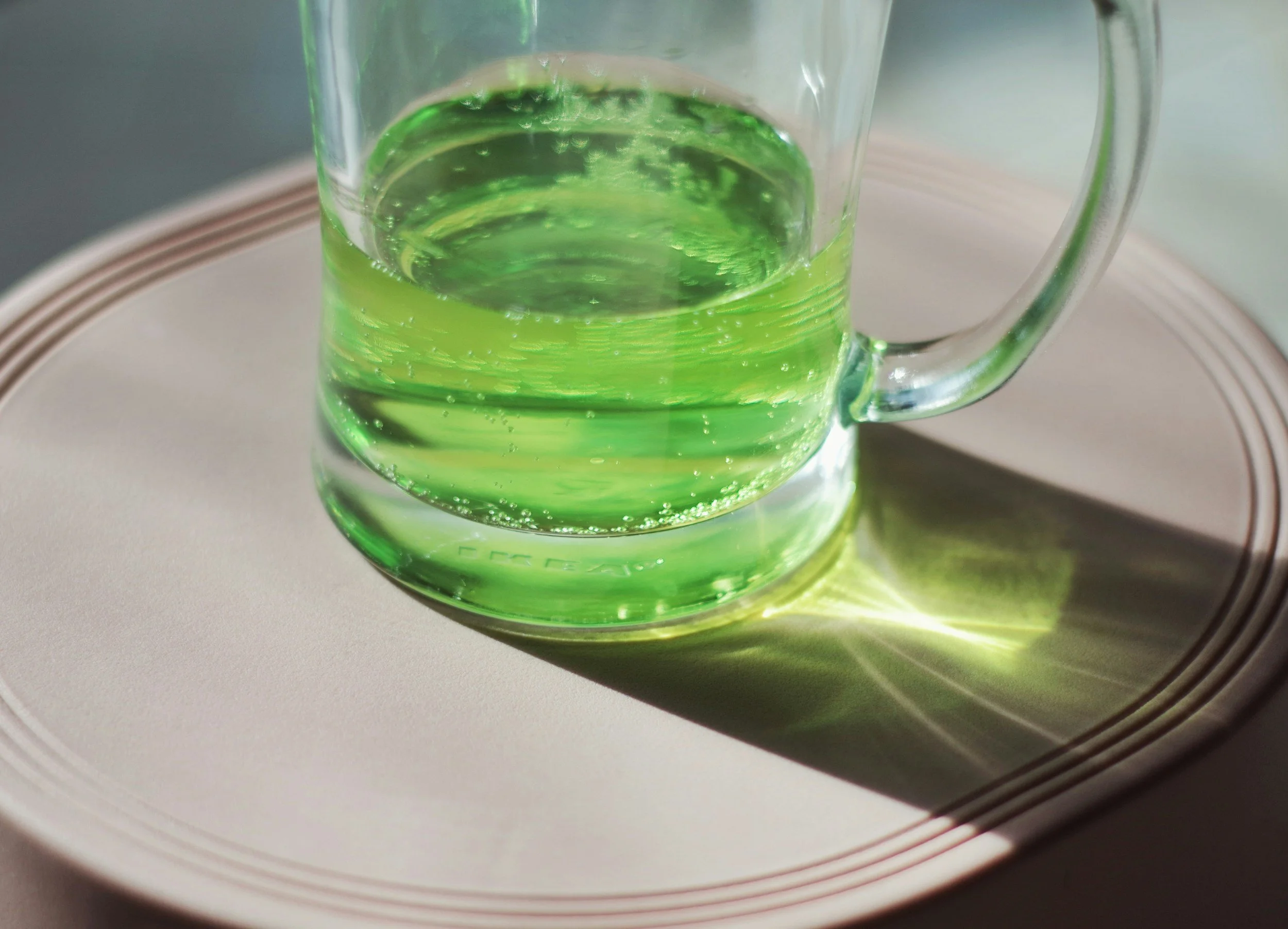
you've spent any time on TikTok or Instagram in the last few years, you've seen it. Influencers adding a few drops of bright green liquid to their water bottles, crediting it for clearer skin, less bloating, fresher body odor and yes, helping with BV. The hashtags rack up millions of views. The before-and-after stories are compelling. The bottles fly off the shelves.
But here is the question nobody in those comment sections is asking loudly enough: does chlorophyll water actually do anything for bacterial vaginosis or are we all just drinking expensive green water because a 22-year-old said so?
The honest answer is nuanced. There is real science behind chlorophyll's properties. There is also a significant gap between what chlorophyll does in a lab and what a daily shot of liquid chlorophyll in your Stanley cup does for your vaginal microbiome. This post breaks it all down the claims, the science, the limitations, and what actually works.
What Is Chlorophyll?
Chlorophyll is the green pigment found in plants and algae that captures light energy for photosynthesis it is literally what makes plants green. It plays the same role in the plant world that hemoglobin plays in human blood: it is the molecule responsible for capturing and transporting energy.
Structurally, chlorophyll and hemoglobin are remarkably similar. Both are built around a porphyrin ring structure. The key difference is that hemoglobin has iron at its center, while chlorophyll has magnesium. This structural similarity is part of why some researchers have explored chlorophyll's potential health applications in humans.
The chlorophyll supplements and drops sold online and in health stores are almost always chlorophyllin a water-soluble, semi-synthetic derivative of natural chlorophyll that is more stable, more easily absorbed, and more shelf-stable than natural chlorophyll extracted directly from plants. When you see "liquid chlorophyll" on a label, you are almost certainly buying chlorophyllin, typically derived from alfalfa or mulberry leaves.
Where Did the BV and Odor Claims Come From?
The TikTok chlorophyll trend exploded around 2021, with creators claiming that drinking liquid chlorophyll:
Reduced or eliminated vaginal odor
Helped clear up BV
Improved body odor overall
Cleared skin and reduced acne
Reduced bloating and improved digestion
The odor and BV claims in particular spread like wildfire because vaginal odor and BV are things millions of women desperately want solutions for, and because they are topics women are often too embarrassed to bring up with their doctors. A simple, affordable, natural-looking fix is enormously appealing.
But where did the idea originate? It traces back to chlorophyll's long-documented use as an internal deodorant a legitimate medical application that dates back to the 1940s and 1950s, when chlorophyllin was used clinically to reduce odor in patients with colostomies, wounds, and incontinence. The jump from "reduces body and wound odor" to "cures BV and vaginal odor" is a large one and it happened largely without scientific scaffolding, driven primarily by anecdote and social media virality.
What Does the Science Actually Say?
Let's look at what research genuinely supports and what it does not.
What Chlorophyll/Chlorophyllin Has Evidence For:
Internal Deodorization
This is the most legitimate and well-supported application. Studies from the 1950s through the 1980s demonstrated that oral chlorophyllin could reduce fecal, urinary, and body odor particularly in patients with trimethylaminuria (a metabolic condition that causes a strong fishy body odor) and in elderly patients with incontinence. A study published in the Journal of the American Geriatrics Society found that chlorophyllin tablets reduced fecal odor in nursing home residents.
The mechanism appears to involve chlorophyllin binding to odor-causing compounds in the gut before they are absorbed and excreted through sweat, urine, and breath.
Antioxidant Properties
Chlorophyllin has demonstrated antioxidant activity in laboratory studies, neutralizing free radicals and potentially reducing oxidative stress. This is likely part of why it has been studied for skin health and anti-aging applications though most evidence remains in vitro (in lab dishes, not in living humans).
Potential Antimicrobial Activity
Some laboratory studies have shown that chlorophyll derivatives have mild antimicrobial properties against certain bacteria and fungi. A study published in Acta Pharmaceutica found that chlorophyllin demonstrated inhibitory activity against several bacterial strains in lab settings.
This is where the BV connection gets interesting and where it also gets complicated.
Wound Healing
Topical chlorophyllin has legitimate medical applications in wound care. Products like Panafil and Chloresium contain chlorophyllin and have been used clinically to support wound healing and reduce wound odor. This is real, evidence-based medicine.
The Critical Gap: Lab Evidence vs. Drinking Green Water
Here is where we need to be honest about the difference between what chlorophyll can do and what drinking chlorophyll water does for your vaginal health specifically.
The antimicrobial properties of chlorophyllin demonstrated in laboratory studies were shown in direct contact conditions chlorophyllin applied directly to bacteria in a dish. When you drink chlorophyll water, it goes through your digestive system. It is broken down, partially absorbed, and metabolized. The concentration that eventually reaches your vaginal tissue if any meaningful amount does at all is essentially impossible to predict and almost certainly far lower than concentrations used in lab studies.
There are no published clinical trials as of 2026 specifically examining the effect of oral liquid chlorophyll supplementation on vaginal bacterial communities, vaginal pH, BV rates, or vaginal odor. The connection between drinking chlorophyll water and improving BV is entirely based on:
Anecdotal social media reports
Chlorophyll's general deodorizing properties extrapolated to vaginal odor
Its in-vitro antimicrobial properties extrapolated to vaginal bacterial balance
Extrapolation is not evidence. It is a hypothesis waiting to be tested and that testing has not happened.
So Why Do So Many Women Report That It Works?
This is a genuinely important question, and the answer is probably multifaceted:
The Hydration Effect
Many women who start a chlorophyll water routine begin drinking significantly more water overall because they are actively tracking it and making it a ritual. Increased hydration supports kidney function, dilutes urine (reducing UTI risk), and supports overall cellular health. It is entirely possible that the hydration increase explains some reported improvements.
The Gut-Vaginal Axis
Chlorophyll does interact with gut bacteria, and there is an emerging body of research on the gut-vaginal microbiome axis the bidirectional relationship between gut and vaginal bacterial communities. If chlorophyll's effect on gut bacteria is net positive, it is theoretically possible this could have downstream effects on the vaginal microbiome. But this connection has not been directly studied in this context.
The Internal Deodorization Effect
Chlorophyllin's documented ability to reduce systemic body odor may genuinely reduce overall body odor including in the genital area not by fixing BV, but by reducing the metabolic byproducts that contribute to odor. This is real, but it is treating a symptom, not the underlying condition.
The Placebo Effect
The placebo effect is real, measurable, and not something to dismiss. When people believe something is working, physiological changes can occur including reduced stress, better sleep, and improved self-care behaviors. All of these support vaginal health indirectly.
Actual BV Resolution
BV does sometimes resolve on its own. If a woman started chlorophyll water while her BV was resolving naturally or with other interventions, the timing creates a compelling but misleading correlation.
What Chlorophyll Water Cannot Do
To be very clear, based on current evidence:
Chlorophyll water cannot disrupt Gardnerella biofilm the physical, structural fortress that makes recurrent BV so hard to treat
It cannot restore Lactobacillus dominance in a significantly disrupted vaginal microbiome
It cannot treat an active BV infection if you have BV, you need medical evaluation and appropriate treatment
It cannot replace the antimicrobial action of clindamycin or metronidazole against BV-associated bacteria
It is not a substitute for proper diagnosis vaginal odor has many causes (BV, AV, trichomoniasis, yeast), and self-treating with green water while an underlying infection goes untreated can allow that infection to worsen or progress
Is Chlorophyll Water Safe?
For most healthy adults, liquid chlorophyllin in typical supplemental doses (100–300mg per day) is considered safe and well-tolerated. Reported side effects are generally mild and include:
Green discoloration of urine, stool, or tongue harmless but startling if you're not expecting it
Digestive upset nausea, diarrhea, or cramping, particularly at higher doses
Photosensitivity some evidence that high-dose chlorophyllin may increase skin sensitivity to sunlight
It is worth noting that liquid chlorophyll supplements are not FDA-regulated for safety or efficacy in the same way medications are. Quality, concentration, and purity vary significantly between brands. If you choose to use it, look for products with third-party testing verification.
Chlorophyll water is not recommended during pregnancy without explicit guidance from your OB-GYN, as safety data in pregnancy is insufficient.
What Actually Does Help With BV and Vaginal Odor
Since we're being evidence-based here, let's redirect to what the research genuinely supports for BV management and vaginal odor:
For Active BV:
Medical treatment metronidazole (oral or gel) or clindamycin (oral or cream) remain first-line treatments; discuss with your provider which is appropriate for your history
Boric acid suppositories strong evidence for recurrent BV maintenance and treatment of metronidazole-resistant cases
Fluomizin (dequalinium chloride) antiseptic vaginal tablet with evidence for BV including biofilm-associated cases
For Vaginal Microbiome Support:
Targeted oral probiotics specifically Lactobacillus rhamnosus GR-1 and Lactobacillus reuteri RC-14, the most clinically studied strains for vaginal health
pH-balanced intimate cleansers external use only; maintaining a healthy external environment supports the internal microbiome
For Vaginal Odor Specifically:
Address the underlying cause odor is almost always a symptom of pH disruption or infection; treating the cause resolves the odor
Wear 100% cotton underwear reduces moisture and bacterial buildup
Shower promptly after sweating or swimming
Use fragrance-free, pH-balanced products externally scented products mask odor temporarily but worsen the pH disruption causing it
For Overall Wellness (Where Chlorophyll May Genuinely Help):
As a hydration motivator if adding chlorophyll drops to water helps you drink more, that is a real benefit
As a general antioxidant supplement alongside a balanced diet
For systemic body odor reduction the deodorizing effect is real, just not specifically targeted at BV
The Bottom Line on Chlorophyll Water and BV
Chlorophyll water is not a scam but it is not a BV treatment either. It is a wellness supplement with some legitimate properties that have been dramatically overstated and misapplied by social media. The women sharing their positive experiences are not lying but correlation is not causation, and anecdote is not clinical evidence.
If you enjoy drinking chlorophyll water, it is generally safe and it may offer some real benefits around hydration, antioxidant support, and systemic odor reduction. But if you have BV or suspect you do please do not rely on green water as your treatment plan. BV is a real medical condition with real consequences, including increased STI risk, pregnancy complications, and progression to more serious infections if left untreated. It deserves real, evidence-based care.
Drink your chlorophyll water if you love it. Just drink it alongside proper treatment not instead of it.
Frequently Asked Questions
How much chlorophyll water should I drink per day?
Most supplements suggest 100–300mg of chlorophyllin per day. There is no established therapeutic dose because there is no established therapeutic application for vaginal health specifically. Follow product label instructions and consult your provider.Can I use chlorophyll topically for vaginal odor?
No. Applying liquid chlorophyll inside or around the vagina is not recommended and could further disrupt your vaginal pH and microbiome. Never insert anything into the vagina that has not been specifically formulated and medically endorsed for vaginal use.Are there natural food sources of chlorophyll?
Yes, spinach, kale, parsley, broccoli, green beans, and other dark green vegetables are rich in natural chlorophyll. Eating a diet rich in these foods provides chlorophyll alongside fiber, vitamins, and minerals that support overall health.Does chlorophyll help with yeast infections?
There is no clinical evidence supporting chlorophyll as a treatment for vaginal yeast infections (candidiasis). Yeast infections require antifungal treatment either OTC (like Monistat) or prescription (like fluconazole).“This article is based on current medical guidance and research from the following trusted sources:”
Resources & Sources
Kephart, J.C. (1955) - Chlorophyll derivatives their chemistry, commercial preparation and uses. Economic Botany.
Young, R.W., & Beregi, J.S. (1980) -Use of chlorophyllin in the care of geriatric patients. Journal of the American Geriatrics Society.
Ferruzzi, M.G., & Blakeslee, J. (2007) - Digestion, absorption, and cancer preventative activity of dietary chlorophyll derivatives. Nutrition Research.
National Institutes of Health (NIH) Office of Dietary Supplements - ods.od.nih.gov
Centers for Disease Control and Prevention (CDC) BV Treatment Guidelines: -cdc.gov/std/bv
American College of Obstetricians and Gynecologists (ACOG): - acog.org
Mayo Clinic Bacterial Vaginosis - mayoclinic.org
Have you tried chlorophyll water for BV or vaginal odor? Did it help or did it fall short of the TikTok hype? Share your honest experience in the comments. Real stories from real women help our community make better, more informed decisions.
Author
Becky Freeman is the founder of BVTalks® and Bee Vee Clean. She focuses on women’s intimate health, vaginal microbiome education, and creating practical, easy-to-understand content for everyday care.
Disclaimer: This post is for educational purposes only and is not a substitute for professional medical advice. Always consult your healthcare provider for diagnosis and treatment.
